Hardware refresh cycles remain the primary engine driving the consumer electronics market. Apple has traditionally utilized trade-in programs as a strategic financial lever to modulate demand and accelerate user migration toward newer platforms. A sharp revision in device buyback valuations now signals preparations for a new wave of expansion. The company is no longer simply incentivizing its loyalists; it is aggressively lowering the barrier to entry for owners of competing flagships.
Apple’s approach to device lifecycle management has taken an aggressively strategic turn. The latest adjustments to its trade-in valuations reveal a clear intent to narrow the financial friction between owning a legacy device and acquiring the current flagship. In several categories, buyback values have surged by nearly 30%, effectively transforming the exchange program into a subsidy mechanism designed to accelerate hardware migration.
The most pronounced shifts are evident within the iPhone lineup. While base models have seen modest increases, Pro users are experiencing a significant boost in valuation. For instance, the trade-in value for the iPhone 16 Pro has climbed from $560 to $630, while the iPhone 16 Pro Max now commands $720, up from $695. Even legacy generations, such as the iPhone 12 and 13, are seeing an upward trend, providing a tangible economic incentive for long-term users to finally upgrade.
However, the real strategic pivot is occurring within the professional hardware segment. The Mac category has seen some of the most dramatic leaps: the Mac Studio's value jumped from $1,045 to $1,305, and the MacBook Pro now sits at $855, compared to its previous $690 valuation. This suggests a concerted effort by Apple to stimulate a refresh of professional workstations—likely in anticipation of new M-series chip iterations, where the performance delta will become the primary catalyst for professionals to upgrade.
The tablet and wearables sectors have also undergone recalibration. The iPad Pro and iPad Air received notable bumps, and the Apple Watch Series 10 is now valued higher to maintain high turnover rates for accessories. Meanwhile, certain positions remain static, underscoring the company's surgical approach to incentivizing specific product lines.
Particularly noteworthy is the expansion of the program to include third-party hardware. The inclusion of the Google Pixel 9 Pro XL, OnePlus 13, and current Samsung Galaxy models is a direct signal to the market regarding Apple's battle for Android market share. By offering up to $315 for the latest Pixel or $250 for the OnePlus 13, Apple is aggressively lowering the "switching cost." This is a classic audience acquisition tactic: when the financial barrier to migrating ecosystems is minimized, the user's psychological resistance to switching platforms evaporates.
Overall, this pricing dynamic indicates that Apple is shifting from the passive acceptance of old devices toward active marketing via buybacks. The company recognizes that in a saturated market, the only path to sales growth is accelerating the device replacement cycle—even if it means absorbing higher trade-in costs on its own balance sheet.
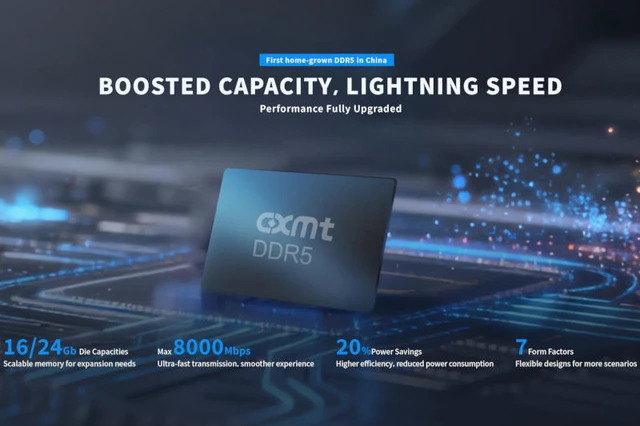 The Price of Acceleration: CXMT’s Rapid Push into Memory