Global trade conflicts frequently serve as catalysts for latent economic upheavals, the costs of which are ultimately borne by the end consumer. While import tariffs are ostensibly designed to incentivize domestic manufacturing, in practice, they have evolved into a mechanism for driving up the price of consumer electronics. Following rulings by high courts that deemed such levies unlawful, a contentious debate emerged regarding the equitable distribution of the reclaimed funds. This dispute has now escalated into a full-scale legal battle, with Logitech finding itself squarely in the crosshairs.
The era of trade hostilities between the US and China was defined by an aggressive regime of export tariffs, implemented almost weekly. The primary objective of this strategy was to narrow the trade deficit and compel tech giants, such as Apple, to reshore their manufacturing from Chinese factories to American soil. However, political ambitions soon collided with the harsh realities of the industrial landscape.
The attempt to force production back to the US was doomed to fail due to a profound infrastructural gap. The country suffered from a catastrophic shortage not only of specialized production facilities but, more critically, of the skilled workforce required to sustain the industrial-scale manufacture of complex consumer electronics. Consequently, the "incentive" strategy devolved into a mechanism of direct financial pressure.
Despite public assertions that China would bear the cost of the tariffs, the actual economic mechanism operated differently. The tax burden fell squarely on American importing brands, which in turn passed these costs onto the consumer. At certain peaks, tariffs reached a staggering 145%, triggering a sharp spike in retail prices. Logitech responded to this crisis with pragmatic severity: the cost of approximately half its product line was increased by 25%.
The tide turned when the US Supreme Court ruled that the unilateral imposition of these tariffs was illegal. The court mandated that the government refund the companies that had paid these levies. Yet, this created an ethical and legal dilemma: if the funds are returned to the manufacturer, should they not also be returned to the consumer, who effectively financed these surcharges through inflated price tags?
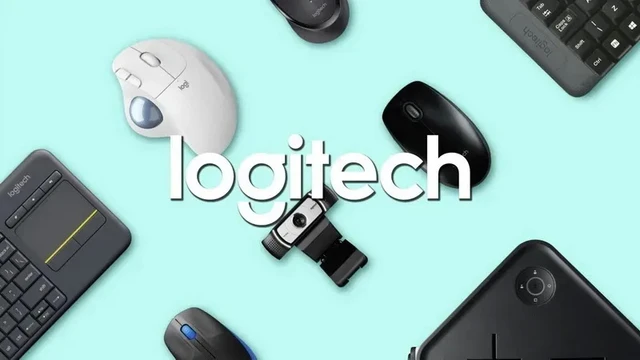
The law firm CPM has initiated a class-action lawsuit against Logitech, alleging that the company effectively misappropriated customer funds. This involves millions of people who purchased standard peripherals—mice, keyboards, and webcams—essentially paying an "invisible tax." From the plaintiffs' perspective, the company's retention of the government refunds is not cost optimization, but the direct appropriation of funds that belong to the customers.
This litigation extends far beyond a single brand. Should the court side with the consumers, it will establish a fundamental precedent for the entire electronics industry. It would serve as a stark warning to corporations that price manipulations driven by external political factors can carry long-term legal consequences, transforming short-term profits into significant reputational and financial liabilities.
 The Price of Acceleration: CXMT’s Rapid Push into Memory