The dream of seamless global mobile connectivity is colliding with the stark realities of orbital logistics. AST SpaceMobile’s ambitions to deploy a space-based direct-to-cell network have found themselves at the mercy of heavy-lift rocket reliability. A single failure on the Blue Origin launchpad has deferred the service's commercial rollout by an entire year, exposing a critical vulnerability within the modern space economy: the extreme fragility of launch schedules.
The concept of "cellular connectivity from space" envisions the deployment of massive relay satellites that essentially function as base stations orbiting in Low Earth Orbit (LEO). For AST SpaceMobile, this vision served as the cornerstone of strategic partnerships with industry titans such as AT&T and Verizon. However, executing this blueprint requires immense payload capacity—a requirement that has pushed the company into a systemic crisis.
The original roadmap projected a full service rollout by the end of 2026. The linchpin of this strategy was Blue Origin’s New Glenn rocket, designed to deliver 45 BlueBird satellites in a single launch. However, a technical failure and the subsequent loss of a New Glenn vehicle transformed these optimistic projections into unattainable goals. In official regulatory filings, the company was forced to concede: service timelines have been pushed back to 2027.
The situation is further exacerbated by the fact that alternative launch options lack the necessary scale. While SpaceX’s Falcon 9 has enabled some deployments, even with upcoming August launches, the total constellation will amount to only 13 units—catastrophically insufficient for comprehensive coverage and signal stability. It has become evident that relying on one or two launch providers creates a single point of failure capable of paralyzing an entire corporate business model.
In response to this challenge, AST SpaceMobile is pivoting toward a strategy of aggressive financial and structural hedging. Raising $1 billion through convertible bonds is not merely a quest for working capital; it is an attempt to decouple from external contractors. The company is seriously exploring vertical integration scenarios, including potential acquisitions or deep strategic alliances with other launch operators.
United Launch Alliance (ULA) has been mentioned as a prospective investment target, underscoring the company's drive to diversify its risk profile. While no official agreements have been signed, a substantial cash reserve of $2.7 billion provides AST SpaceMobile with significant strategic leverage within the space transportation market.
This case serves as a critical lesson for the entire New Space industry. It demonstrates that even with multi-billion dollar contracts and cutting-edge technology, business success remains precariously dependent on the physical integrity of a single rocket sitting on a launch pad.

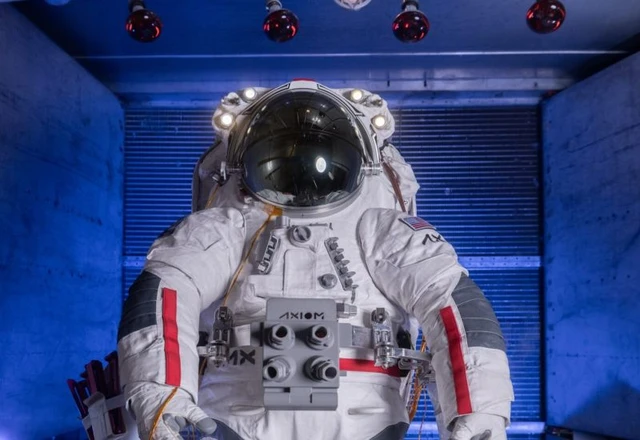 A Pragmatic Approach to Lunar Equipment Design