In an era of digital perfection and an incessant deluge of instant imagery, the world is witnessing an unexpected resurgence of analog aesthetics. Film cameras are no longer the sole domain of professionals; they have evolved into a symbol of mindful visual consumption. Fujifilm is answering this demand by expanding its QuickSnap lineup with new solutions tailored to a variety of use cases. These devices offer more than mere documentation; they provide a distinct tactile experience and a sense of artistic serendipity.
The contemporary "slow photography" trend is redefining the rules of the craft. Users are increasingly seeking an escape from the clinical precision of digital sensors, gravitating instead toward images that feel alive and imperfect. In this light, the release of the new QuickSnap disposable cameras is not a regression, but a calculated response to an audience craving tangible authenticity.
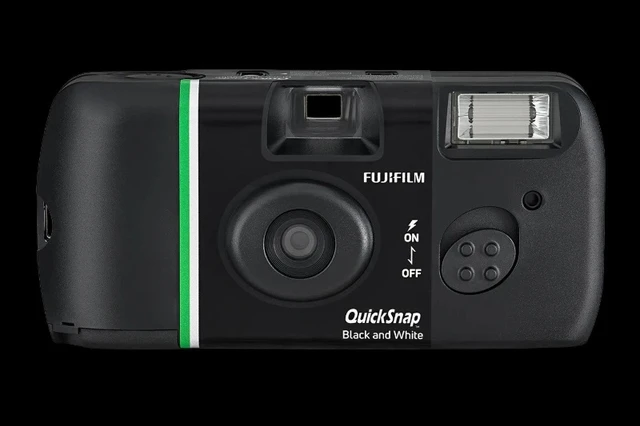
The QuickSnap Black and White is particularly compelling. Monochrome photography has long been regarded as the pinnacle of visual minimalism, stripping away the distraction of color to emphasize composition, light, and geometry. Fujifilm has equipped this camera with a film stock capable of producing rich contrast and an evocative, textural grain, lending images the timeless character of mid-century archival photography.
From a technical standpoint, the decision to use film compatible with standard color processing is a strategic masterstroke. It removes the primary barrier for novices: the need to hunt for specialized labs that still handle traditional black-and-white chemistry. Consequently, the entry point into the world of analog monochrome has never been lower. Meanwhile, the strict 27-exposure limit transforms the shooting process into an exercise in intentionality; every click of the shutter requires a conscious decision, restoring photography's status as a meaningful event rather than a mindless routine.
Alongside this, Fujifilm introduces the QuickSnap Active—a tool for those whose adventures extend far beyond city streets. Housed in a translucent body, this camera is engineered for rugged environments. Its design ensures complete waterproofing at depths of up to 10 meters, making it an ideal companion for diving or extreme tourism.
The ergonomics of the Active model have been refined specifically for the demands of underwater shooting: an enlarged advance knob and a modified shutter lever allow for confident operation, even while wearing gloves or navigating the restricted movement of a subaquatic environment. This model succeeds the previous waterproof version, offering superior protection and enhanced usability.
The launch of these new models underscores a resilient interest in physical media. In an era where images exist merely as arrays of pixels in cloud storage, the ability to hold a physical negative and await the moment of development serves as a form of digital detox, reintroducing the elements of anticipation and physical presence to the art of photography.
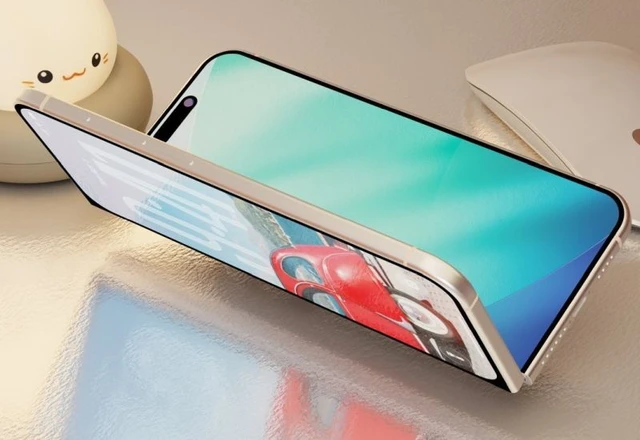 The Phenomenon of the Foldable iPhone Ultra