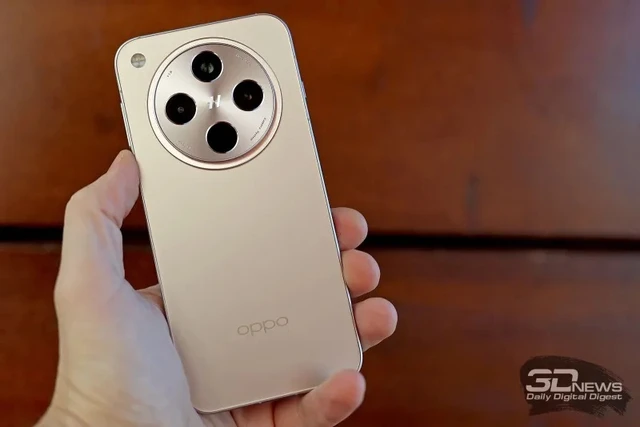
The boundary between independent brands and their parent conglomerates is growing increasingly porous. OnePlus, once the brash "flagship killer," now seems to be finally shedding its distinct identity. Recent modifications to the company's official digital presence signal a strategic pivot toward its parent entity, Oppo—a move that suggests more than a mere shift in marketing tactics, but rather a fundamental restructuring of the brand's global footprint.
Rumors that OnePlus is fading as an independent force in the smartphone market are becoming increasingly tangible. In several European regions, the brand's official web resources have begun exhibiting a strange anomaly: rather than teasing their own upcoming releases, the company is openly urging users to migrate to Oppo devices.
This trend is most pronounced on the OnePlus German website. A promotional banner there positions Oppo products not merely as an alternative, but as the "optimal upgrade path" for loyal OnePlus owners. The marketing message is purely pragmatic, promising users the same level of performance, full compatibility, and a unified software environment. In essence, the brand is openly admitting that the technological divide between itself and its parent company has been erased.
The range of recommended devices spans the entire ecosystem—from TWS earbuds and tablets to Oppo’s cutting-edge foldables. The user journey is designed for maximum directness: every call-to-action button redirects traffic from OnePlus resources straight to the Oppo website.
Industry analysts are closely scrutinizing the company's rhetoric. Rather than fueling anticipation for future flagship iterations, OnePlus is emphasizing that Oppo's portfolio is built upon the hardware and software already familiar to its user base. The promise of "seamless compatibility" with current OnePlus devices effectively signals to the consumer that there is no longer a need to wait for a specific model under the OnePlus brand, as everything required is already implemented within the Oppo lineup.
This transition is far from abrupt. The industry has long observed a convergence between the two brands; the merger of OxygenOS and ColorOS served as the first definitive signal of OnePlus's eroding autonomy. Now, this integration is moving beyond software development and into the realm of direct sales management and customer flow redirection.
However, this absorption strategy is being deployed unevenly, dictated by regional market dynamics. In Germany, where Oppo has already established a robust retail network and a strong presence, the transition is proceeding organically. A starkly different situation exists in the United States, where Oppo has no official smartphone presence. In that region, urging users to switch to the parent company would be futile, creating a temporary rift in the brand's global positioning.
Current developments suggest that OnePlus is transitioning from its status as an independent innovator to that of a regional or niche sub-brand, whose primary objective is now to seamlessly migrate its audience into the broader Oppo ecosystem.
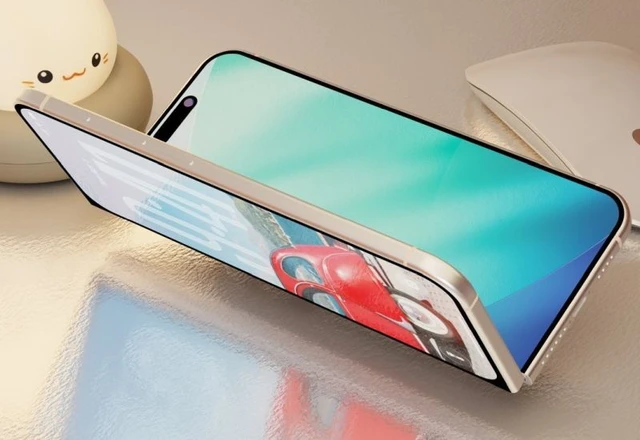 The Phenomenon of the Foldable iPhone Ultra