Global electronics supply chains have evolved into a battlefield of strategic confrontation and clandestine manipulation. The practice of "origin laundering" has emerged as a systemic mechanism for circumventing trade barriers and dodging customs tariffs. A recent investigation into industry titan Unimicron Technology exposes the sheer scale of fraudulent labeling within industrial manufacturing. This case serves as a stark illustration of how geopolitical friction translates into economic crime at the very core of the semiconductor ecosystem.
Taoyuan, Taiwan, has become the epicenter of a sweeping law enforcement crackdown targeting the offices of Unimicron Technology. A heavyweight in the printed circuit board (PCB) manufacturing hierarchy, the company now finds itself embroiled in a high-stakes scandal. Investigators suspect management of systematically falsifying product origin data, alleging that goods manufactured in mainland China were fraudulently labeled as Taiwanese.
At the heart of the controversy is a practice known as "origin washing." In the current geopolitical and trade climate, the designated country of origin dictates more than just a product's prestige; it determines the scale of export duties. For manufacturers, utilizing a Taiwanese certificate of origin instead of a Chinese one serves as an effective, albeit illegal, mechanism to drastically reduce customs payments. With 18 individuals—including suspects and witnesses—already interrogated, the investigation suggests that this scheme was deeply integrated into the company's operational processes.
From the perspective of international law and Taiwan's domestic statutes, the falsification of industrial origin documentation is a severe breach. However, the implications of this case extend far beyond the island. Such manipulations have become a strategic response to the global trend of intensifying tariff pressures, particularly within the volatile trade relationship between China and the United States.
US regulators are expressing grave concern over the volume of PRC-made electronics entering the American market disguised as products from other Asian nations. This allows importers to bypass the steep tariffs imposed under current trade restrictions. According to preliminary estimates from US financial agencies, these documentation schemes result in annual losses to the national treasury ranging from $19 billion to $26 billion.
The Unimicron Technology precedent highlights the growing fragility of global supply chains. When the economic incentive to circumvent tariffs outweighs the risk of legal prosecution, the industry faces a systemic crisis of trust. Strengthening oversight regarding the labeling and provenance of components has become the only viable way to combat shadow financial flows within the high-tech sector.

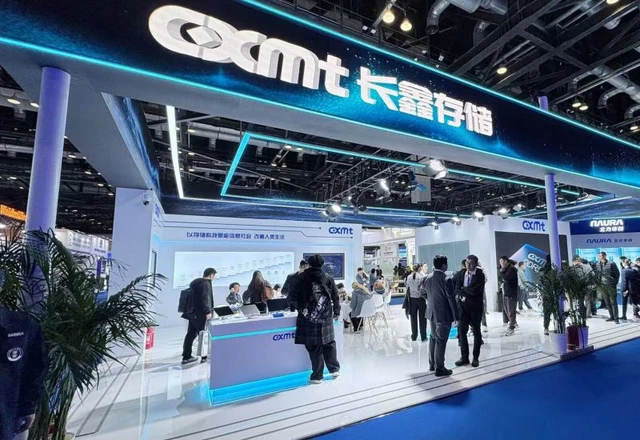 CXMT Lawsuit Against the US Department of Defense