The global semiconductor and memory module market remains highly turbulent, where any supply chain fluctuation can prove critical for electronics manufacturers. Amidst cyclical demand, the ability to ensure uninterrupted production has emerged as a primary competitive advantage. Sony has pivoted toward a strategy of preemptive stockpiling to guarantee long-term console availability—a move that takes on heightened significance as the industry prepares for the release of one of the most anticipated projects of the decade.
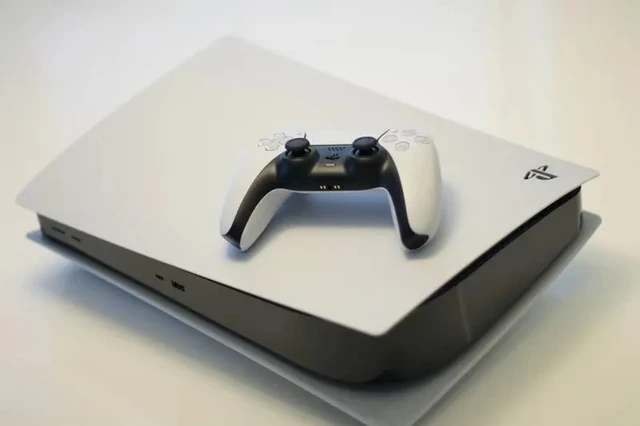
The contemporary gaming hardware landscape has evolved beyond mere marketing and aesthetics; it is now a strategic battleground of supply chain logistics and inventory management. Recognizing the inherent volatility of the memory market, Sony has moved to secure massive component reserves. According to the company's latest financial reports, its stockpiled memory is now sufficient to sustain PlayStation 5 production through the end of the 2026 fiscal year, which extends into April 2027.
This strategic pivot allows the Japanese giant to effectively insulate itself from market shocks and guarantee supply stability for its investors. In the electronics industry, such measures are typically a response to semiconductor shortages or erratic raw material price spikes. By doing so, Sony has essentially created a "strategic buffer," allowing it to ignore short-term fluctuations in memory costs.
However, sales dynamics indicate a predictable deceleration. In the first quarter of the current fiscal year, 1.6 million units were sold—a notable decline compared to the 2.5 million shipped during the same period last year. Since the console's debut in June 2020, total shipments have reached an impressive 95.3 million units. This suggests that the PlayStation 5 is transitioning from a phase of aggressive growth into a stage of product maturity, where user acquisition slows and the strategic focus shifts toward ecosystem monetization.
The primary catalyst for a new surge in demand is expected to be the release of Grand Theft Auto VI, scheduled for November 19. The gaming industry recognizes the concept of a "system seller"—titles so influential that they drive consumers to purchase hardware solely for a single project. GTA VI is poised to be exactly that kind of driver, and Sony's strategic memory reserves are designed to ensure the market remains well-supplied during this critical window of the holiday rush.
Interestingly, even as hardware sales momentum dips, the company's financial health remains robust. Operating profit surged by 37%, reaching 54.1 billion yen (approximately $337 million), despite stagnating revenue. This positive trend is driven not only by internal optimizations but also by external tailwinds: refunds on US customs tariffs and favorable currency exchange rates.
Parallel to this, there is a qualitative expansion of the user base. The number of monthly active PlayStation users grew by 2 million, hitting the 125 million mark. This reinforces the thesis that Sony is successfully transforming its business model from simple hardware sales into the management of a massive digital platform, where long-term customer lifetime value outweighs the one-time transaction of a console purchase.
 OpenAI’s Trillion-Dollar Valuation Ahead of Its Public Debut