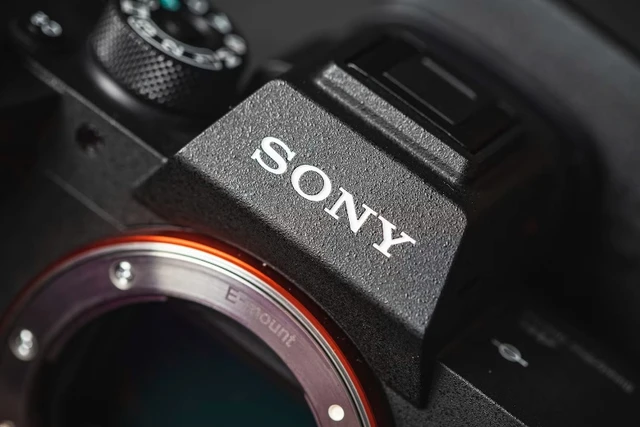
The contemporary digital imaging market is undergoing a profound transformation, where control over optical components has emerged as a pivotal driver of competitiveness. Sony Group’s pursuit of Tamron is far more than a mere financial transaction; it is a calculated strategic move toward deeper vertical integration. In the high-stakes race for dominance within the mirrorless ecosystem, ownership of premium optics provides the leverage necessary to dictate industry standards. This initiative could fundamentally reshape the dynamics between camera manufacturers and third-party lens providers.
Sony Group has formally signaled its intent to acquire Tamron, a specialist in high-precision lenses and optical components. The objective behind this expansion is unmistakable: to integrate Tamron as a wholly-owned subsidiary, thereby unifying sensor development and image capture systems with optics production under a single corporate umbrella. While the specific financial terms remain confidential, the strategic trajectory points toward an aggressive optimization of Sony's imaging ecosystem.
From a strategic standpoint, this move is designed not only to bolster Tamron's market valuation but to unlock powerful synergies across the Sony conglomerate. In the photography industry, a delicate equilibrium exists between proprietary development and third-party solutions. Tamron occupies a unique niche, having spent decades supplying lenses not only to Sony but also to its primary rivals, Nikon and Canon. While absorbing such a player may create friction with other vendors, for Sony, it represents the acquisition of direct control over a critical link in the supply chain.
The financial markets reacted instantaneously and with considerable volatility. Trading of Tamron shares on the Tokyo Stock Exchange was temporarily suspended following an unprecedented spike in demand, as buy orders surged past all permissible limits. With a market capitalization of approximately $1.18 billion, investors perceive immense growth potential in this merger. Meanwhile, Sony's own stock saw a marginal dip of 0.3%—a textbook market reaction to large-scale, capital-intensive acquisitions.
An analysis of the ownership structure reveals that Sony has long been laying the groundwork for this move, already holding a 14.7% stake in Tamron. However, the path to full control is complicated by other major stakeholders; notably, the Singapore-based fund Effissimo Capital holds a 17.4% share.
The situation is further complicated by Tamron's own internal fiscal performance. For the fiscal year ending December 2025, the company reported a 13% decline in operating profit, which fell to approximately $102.15 million. In the context of the global market, such dynamics may signal stagnation in traditional optical segments or rising operational costs. For Sony, however, this presents an ideal "window of opportunity," allowing them to acquire the asset during a period of financial vulnerability and subsequently scale its resources through Sony's own technological prowess.
 Virtual Gamepads within the Google TV Ecosystem