Maintaining seamless connectivity during natural disasters remains one of the most pressing challenges for modern urban planning and public safety infrastructure. Japan, frequently beset by seismic activity, is exploring unconventional strategies for deploying redundant data networks. The integration of Starlink satellite terminals into existing municipal frameworks could be the catalyst for creating a truly resilient emergency notification system. This experiment marks a strategic shift away from the construction of costly traditional towers toward the pragmatic optimization of available urban resources.
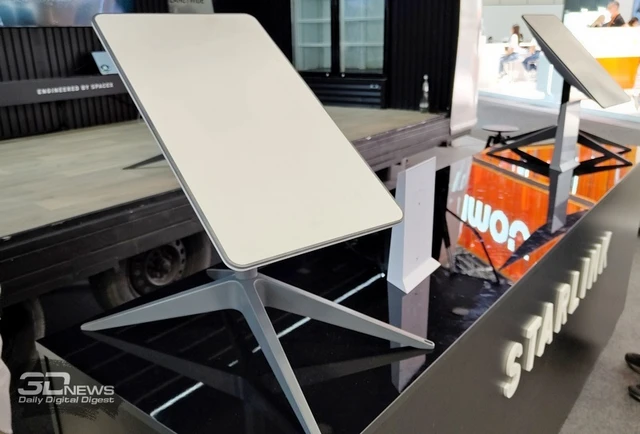
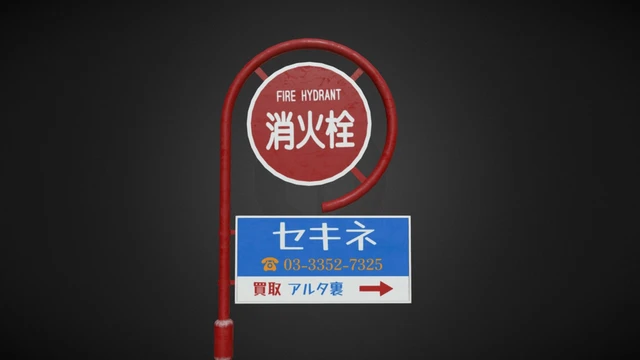
Tokyo has embarked on an ambitious initiative to reimagine its urban landscape, repurposing conventional infrastructure for advanced technological functions. Fire Hydrant Sign has begun experimental deployments of Starlink satellite internet hardware atop fire hydrant markers. The scale of the potential rollout is staggering: with approximately 120,000 such markers across Japan, they represent a ready-made, distributed network of access points.
The primary objective is the creation of critical communication redundancy for large-scale natural disasters. During severe earthquakes or catastrophic flooding, traditional terrestrial networks often collapse, leaving entire districts in informational isolation. Satellite connectivity—operating independently of local cabling and cellular base stations—can provide emergency services and the public with essential data channels during peak crises. Furthermore, the project envisions these nodes serving as hubs for free public Wi-Fi during mass urban events, effectively offloading traffic from existing networks.
From an economic and urban planning perspective, this approach is optimally efficient. By leveraging existing signage, the project bypasses the costs associated with constructing new masts or acquiring land—typically the most expensive and bureaucratically fraught stages of network expansion. Because these hydrants are already situated in residential neighborhoods, commercial districts, and along major thoroughfares, they are positioned exactly where stable connectivity is most critical.
Currently, the project remains in an exploratory phase. Experts are analyzing hardware performance within dense urban environments to determine the feasibility of a nationwide rollout. It is worth noting that the current engagement with SpaceX is primarily technical; a formal partnership between Fire Hydrant Sign and the satellite operator has yet to be established.
This Japanese case study aligns with the global trend toward the democratization of internet access championed by Starlink worldwide. Similar strategies are unfolding in the United States, where the company is collaborating with 4-H and Tractor Supply to bridge the "digital divide" in rural areas. By providing satellite kits to educational clubs and farming communities, Starlink is evolving from a niche product for enthusiasts into a fundamental tool for social and technical infrastructure—operating precisely where traditional providers fall short.
 The Evolution of the Sony Xperia 10 VIII