The global semiconductor market is entering a phase of aggressive price correction, fueled by component shortages and the insatiable demands of the AI industry. At the heart of this shift is Samsung, which is pivoting toward a strategy of significant price hikes for its product lineup. The company's push to drive up average DRAM prices in the third quarter underscores a systemic imbalance between supply and demand—a strategic move that could redefine the trajectory of the entire consumer and server electronics ecosystem in the near future.
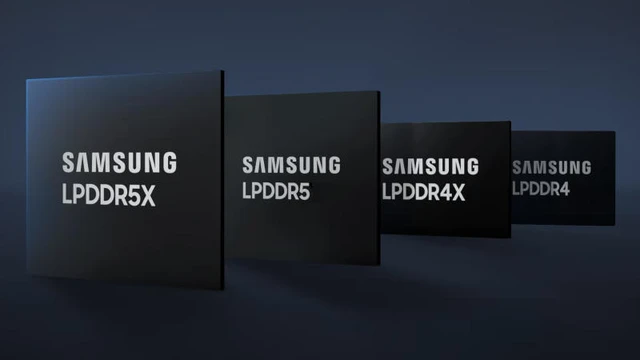
The memory market is once again descending into a state of high volatility. For the third quarter of 2026, Samsung intends to execute an ambitious strategy to drive the Average Selling Price (ASP) of DRAM modules up by 20% compared to the previous period. The primary pressure will be felt in the LPDDR segment—energy-efficient memory that serves as a mission-critical component for both modern smartphones and server infrastructures. Acute supply shortages in these niches provide the Korean giant with the leverage to push price increases even beyond the 20% mark, though the reaction of major clients to such a sharp spike remains uncertain.
Samsung's pricing trajectory over the past year has been nearly exponential. With ASP surging by a staggering 90% in the first quarter and climbing another 50% to 60% in the second, the 20% target for Q3 appears to be an attempt to stabilize margins at these newly established heights. It is worth noting that Samsung is operating with significantly more aggression than its primary rival, SK hynix. This divergence in strategy stems from their respective portfolio structures: Samsung maintains a dominant share of the mass DRAM market, where prices are traditionally more volatile and sensitive to market fluctuations. Conversely, SK hynix is doubling down on HBM (High Bandwidth Memory), a staple for AI accelerators that commands a more stable, premium pricing model.
Nevertheless, the overall DRAM market climate remains strained. Despite Samsung's ambitions, actual contract price growth may prove more modest—likely in the 13% to 18% range—hampered by the "high base" effect and a slight cooling of consumer demand. In the long run, the industry is striving to move away from erratic price swings toward a model of predictability.
Simultaneously, the industry is witnessing a fundamental shift toward Long-Term Agreements (LTAs). Micron has already secured 16 such contracts, signaling a broader effort by clients to hedge against future shortages. The transition to long-term commitments with fixed minimum pricing, coupled with a recalibration of HBM costs, should create a "safety cushion" to prevent a sharp market collapse next year.
This trend toward the institutionalization of supply has extended beyond the traditional IT sector. The automotive industry, where memory reliability and availability are becoming critical, is adopting similar strategies. A prime example is the strategic partnership between Micron and General Motors, which locks in supply volumes and stabilizes costs for the EV manufacturer. Consequently, the memory market is evolving from a spot-purchase model toward a system of deeply integrated partnerships, where stability of supply is valued more highly than short-term cost savings.
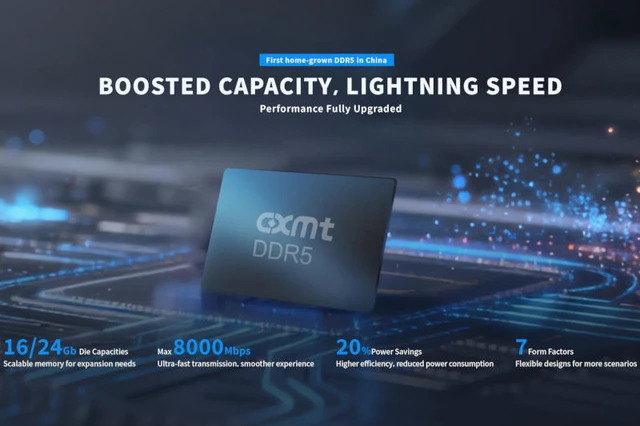 The Price of Acceleration: CXMT’s Rapid Push into Memory