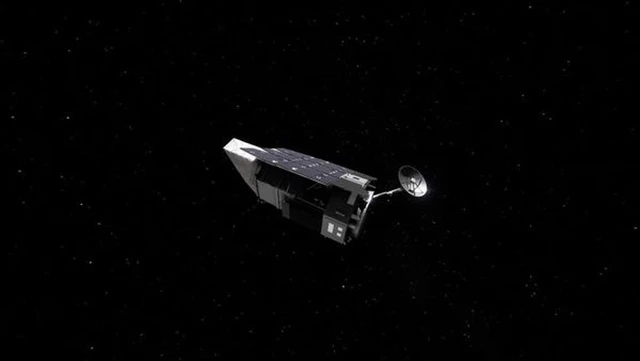
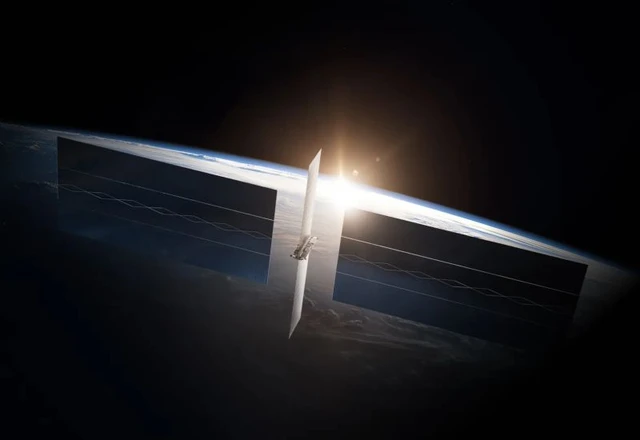
Space missions often exist on a razor's edge between triumph and catastrophe, where a single technical failure can result in the loss of invaluable scientific data. The Swift Observatory, a cornerstone in the study of gamma-ray bursts, recently faced the imminent threat of premature reentry and incineration within the dense layers of the atmosphere. The rescue operation, spearheaded by the specialized LINK tug, evolved into a high-stakes struggle to stabilize the spacecraft's control systems. Recent breakthroughs by the engineering team now offer hope that the mission can be sustained, despite critical hardware failures.
The mission to rescue the Swift observatory has evolved into a high-stakes technical ordeal for NASA and Katalyst Space. The operation was jeopardized when the LINK tug, designed for orbit elevation, suffered a critical system failure: two of its three reaction wheels malfunctioned, and its cold gas thrusters became partially inoperable. In orbital mechanics, reaction wheels are essential for gyroscopic stabilization and precision positioning; their failure inevitably sent the tug into an uncontrolled tumble, resulting in intermittent communication with ground control and threatening the viability of the entire mission.
With conventional control mechanisms proving inadequate, engineers pivoted to an unconventional solution. To arrest the rotation, they deployed electric propulsion systems—thrusters originally intended solely for orbital maneuvering rather than attitude control. This bold maneuver paid off: the spacecraft's angular velocity was reduced from 9 degrees per second to under 4. Despite the volatility of the process, LINK’s core onboard systems remain functional; solar arrays continue to charge the batteries, and the communication link with Earth remains open.
However, stabilizing the tumble is merely the first milestone. The team must now completely overhaul the rendezvous and capture strategy for the observatory. Given the limited control capabilities, the original operational plan has been deemed obsolete. Specialists are currently developing new algorithms for a safe docking sequence to prevent collision or further destabilization of both spacecraft. According to the updated timeline, the rendezvous between LINK and Swift is slated for late August 2026, though final deadlines remain contingent on the tug's technical health.
An external risk factor remains beyond the engineers' control: solar activity. Intense solar flares cause the Earth's upper atmosphere to expand, increasing drag for objects in low Earth orbit (LEO). A massive coronal mass ejection could accelerate Swift’s orbital decay, potentially causing it to burn up in the atmosphere before the tug can secure it. Fortunately, the current phase of the 11-year solar cycle is waning, significantly lowering the probability of a catastrophic scenario and granting engineers the necessary window to complete the mission.
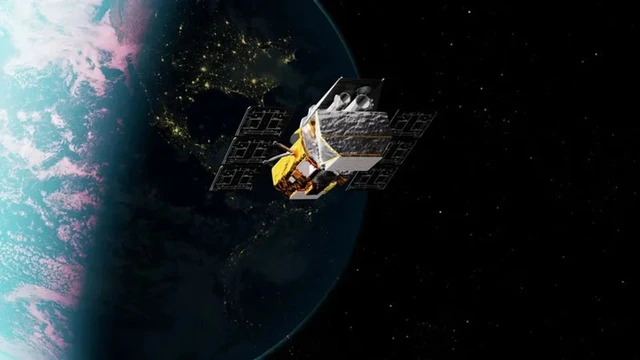
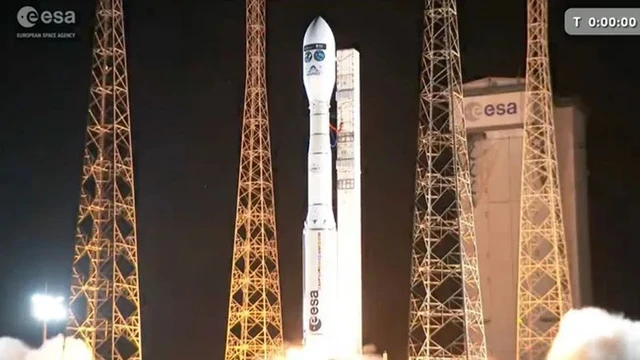 The Technological Triumph of Europe's Vega-C Rocket