The semiconductor industry has plummeted into one of its most severe downturns in recent years, with market valuations retreating to 2022 levels. This collapse is driven by a volatile confluence of geopolitical instability and mounting skepticism over the actual ROI of artificial intelligence. Investors are increasingly wary of an AI "bubble," fearing that massive infrastructure expenditures may never yield commensurate returns. In such a fragile environment, any competitive technological breakthrough serves as a catalyst for widespread asset liquidation.
The global semiconductor sector is weathering a period of volatility reminiscent of the crises seen two years ago. A sweeping sell-off has hit key players across all major tech hubs: from US giants Intel and AMD to South Korean leaders Samsung Electronics and SK hynix, both seeing double-digit declines in their valuations. Even European lithography stalwarts like ASML and STMicroelectronics have succumbed to the downward trend. The MSCI World Semiconductor Index has shed 16% since the start of the month, signaling a profound recalibration of market expectations despite an overall positive trajectory year-to-date.
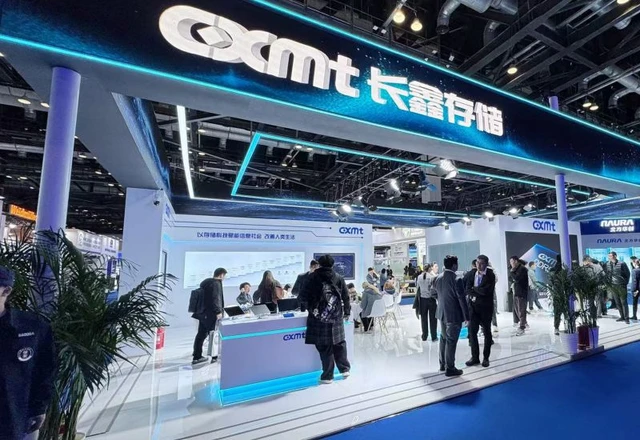
A primary catalyst for this downturn is China's recent technological strides. Reports of the mass production of immersion DUV (Deep Ultraviolet) lithography systems within the PRC have sparked significant investor anxiety. For companies like ASML, this represents a potential erosion of their monopolistic grip on critical equipment. The situation is further complicated by CXMT’s plans to scale memory production funded by an IPO, raising the specter of market oversaturation and an inevitable slide in global component pricing.
Alongside geopolitical pressures, a fundamental question is emerging regarding the viability of the AI "arms race." The market is beginning to recognize the risks of a closed-loop ecosystem where hardware manufacturers and startups create an illusion of demand through interdependent deals. When contracts reach the scale of $750 billion, any downward revision in projected AI profitability can trigger a domino effect. Should the actual economic utility of AI fall short of expectations, this chain of interdependence could transform into a mechanism that amplifies losses for all stakeholders involved.
Market sentiment is currently working against the sector: following a period of euphoria and meteoric growth, any negative signal is now perceived with disproportionate intensity. Investors have shifted into a "wait-and-see" posture, reluctant to buy the dip until there is concrete evidence that capital expenditures on AI infrastructure are generating tangible cash flow.
In the near term, the decisive factor will be the financial reports of the major hyperscalers—specifically Meta and Amazon. As the primary consumers of compute capacity, their investment roadmaps will reveal whether the current slump is a temporary valuation correction or the onset of a deep systemic demand crisis. For now, the prevailing view is that we are witnessing a painful realignment of market valuations with the actual fundamental metrics of the business.
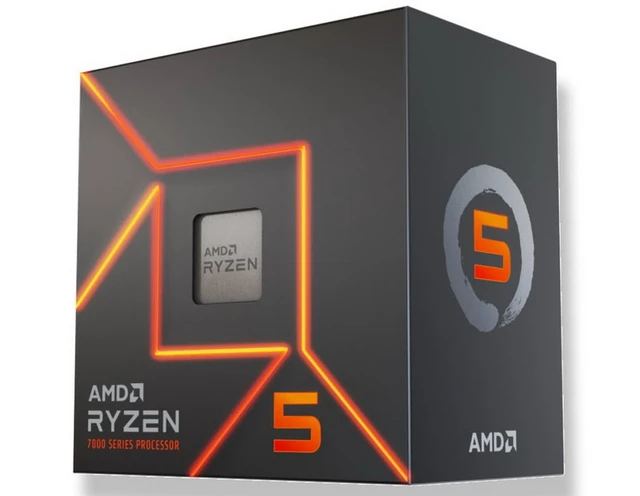 AMD’s Strategic Approach to the Budget Segment