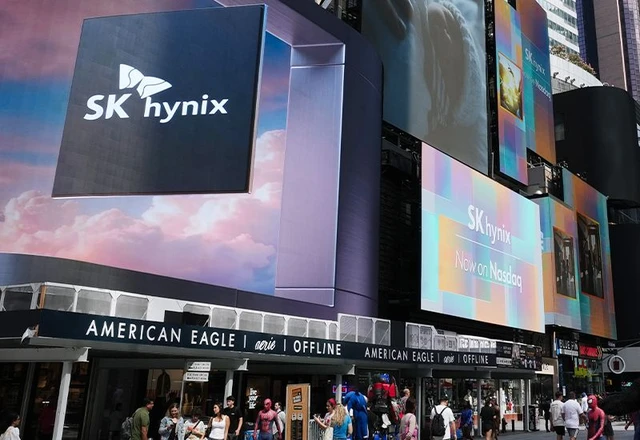
The era of generative AI is redefining hardware requirements, turning memory shortages into the primary lever for pricing strategies. The second quarter saw average smartphone prices surge to a record $400. Against a backdrop of declining overall sales volumes, the industry is experiencing a paradoxical increase in revenue. This shift signals a fundamental market transformation: survival now hinges on a brand's ability to compete and scale within the premium segment.
The contemporary tech landscape is grappling with an unforeseen byproduct of the AI boom: the rapid shift toward on-device execution has triggered a severe shortage of RAM and storage. This surge drove memory component costs up by over 300% year-over-year in the second quarter. As the primary consumers of these resources, smartphones have found themselves at the epicenter of this pricing upheaval. According to Counterpoint Research, the average selling price (ASP) of devices has climbed 17%, hitting a seasonal peak.
The market is exhibiting a paradoxical trend: while shipment volumes are declining, overall revenue continues to climb, marking a 7% increase. This phenomenon is driven by "premiumization." Recognizing that maintaining margins in the budget segment is untenable due to skyrocketing memory costs, manufacturers are deliberately pruning their entry-level portfolios and pivoting toward high-end flagships. Consequently, consumers are left with a stark choice: pay a premium for basic functionality or upgrade to a luxury device.
In this climate, Apple and Samsung Electronics have emerged as the primary beneficiaries. Outside of China, they have effectively cornered the premium segment, allowing them to offset falling demand through higher per-unit pricing. Remarkably, Apple’s products accounted for nearly half of total global smartphone revenue last quarter, despite a broader trend of shrinking shipments—which have plummeted to their lowest levels since 2013.
The outlook for budget and mid-range manufacturers is considerably more precarious. Chinese giants Oppo and Vivo, whose business models traditionally relied on scale and affordability, have faced double-digit declines in shipment volumes. Even the rise in average selling prices has failed to mitigate the collapse in demand within the entry-level segment, which has proven most sensitive to rising component costs.
For now, Apple has managed to maintain relative price stability by leveraging its immense supply chain influence and vast capital reserves. However, this buffer is not infinite. Should the memory shortage persist or semiconductor costs continue to climb, even the iPhone will be forced upward in price. The industry is entering a phase where hardware constraints have become the primary economic driver, forcing vendors to fundamentally rethink their strategic roadmaps for years to come.
 Apple’s Strategic Foray into the Gaming Controller Market