The global consumer electronics market remains mired in a period of turbulent price correction. Over recent quarters, hardware pricing has been characterized by erratic surges, precipitated by supply chain instability and acute shortages of critical components. Asus, one of the industry's dominant players, is now signaling a shift toward stabilization. The pace of price increases is expected to decelerate significantly in the third quarter, reflecting a broader pursuit of a new equilibrium between manufacturing overheads and consumer purchasing power.
The contemporary PC market is grappling with a formidable challenge: the cost of end-user devices has become tethered to the volatility of the semiconductor market. The first half of this year witnessed aggressive price surges that reached critical levels in several regions, most notably in Taiwan. Some Asus product lines saw price increases of nearly 30% compared to the previous year—a direct consequence of a systemic supply chain crisis.
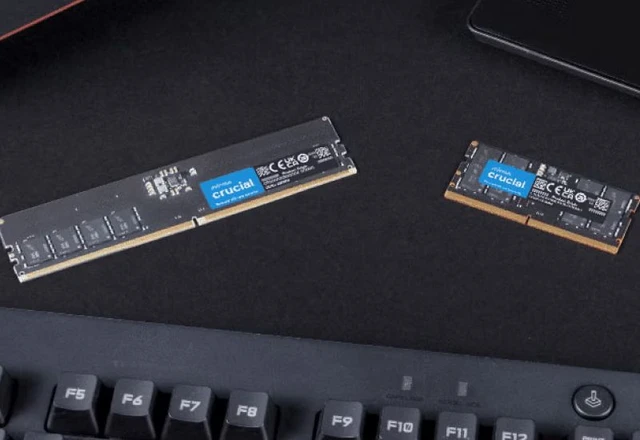
The primary catalyst for this inflation was an acute scarcity of memory chips coupled with a general rise in the cost of base components. Faced with limited supply, vendors were forced to offload escalating operational overheads onto the end-user through a series of price adjustments throughout the first and second quarters.
However, as we enter the third quarter, the tide is beginning to turn. According to forecasts from Asus's system business executives, the rate of price increases is expected to decelerate significantly, stabilizing within a 10% margin. This trend is driven by the gradual recovery of the memory and solid-state drive (SSD) markets, where prices have begun a downward trajectory. The declining cost of these critical components is enabling manufacturers to curb further retail price hikes.
Beyond purely economic drivers, consumer psychology is now playing a pivotal role. Manufacturers are acutely aware of a "price ceiling"—a psychological threshold beyond which demand plummets. Excessive pricing risks reaching a point of market rejection, rendering further increases counterproductive to the business's own growth.
This adaptive strategy is triggering structural shifts in industry metrics. Due to the overall increase in hardware costs, annual PC shipment volumes are projected to contract by 10–15%. Nevertheless, this decline in volume may be entirely offset by a rise in the Average Selling Price (ASP). Consequently, total corporate revenue may remain flat or even show modest growth, signaling a market transition from a volume-driven expansion model to one focused on maximizing the margin of each individual unit.
Ultimately, the current pricing trajectory at Asus mirrors a broader global trend: the industry is shifting from a state of emergency crisis management to a phase of cautious stabilization. In this new era, the defining factor is no longer merely the availability of components, but rather the market's willingness to pay for them.
 The Dawn of the 2nm Era in the New iMac