Modern operating systems demand impeccable network interface management as connectivity infrastructures grow increasingly complex. The launch of NetworkManager 1.58 marks a pivotal milestone in the evolution of Linux administration tools, blending support for the latest hardware standards with deep system-level optimizations. This update focuses on expanding wireless networking capabilities and implementing advanced tunneling protocols, underscoring the developers' commitment to creating a flexible, transparent, and highly automated traffic management ecosystem.
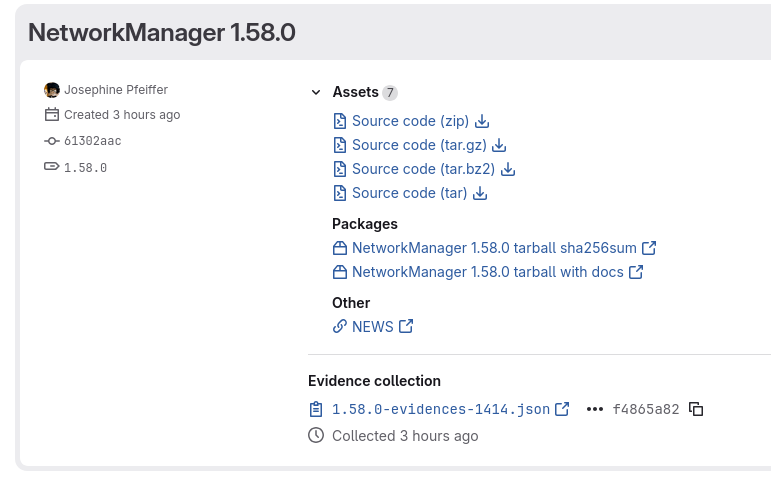
The evolution of NetworkManager follows a disciplined cadence: following the stable release of version 1.50 in October 2024, the project underwent consistent updates throughout the spring and autumn of 2025, culminating in the current release. Version 1.58 is far more than a mere iterative update; it represents a comprehensive response to the evolving demands of network connectivity and security across both enterprise and consumer systems.
A primary vector of development has been the modernization of wireless connectivity. The introduction of 6 GHz band support within the "band" property paves the way for full Wi-Fi 6E utilization—a critical advancement for operating in high-density environments and minimizing signal interference. Parallel to this, security and usability have been enhanced: the system now supports 64-character hexadecimal PSKs for WPS, while the onboarding process has been streamlined via a new QR code generation feature for rapid network pairing. For users of the nmtui interface, the ability to trigger a rescan of available access points directly from the activation screen makes hardware interaction significantly more dynamic.
The underlying technology stack of NetworkManager 1.58 has received substantial reinforcements at the protocol and traffic processing levels. The implementation of GENEVE (Generic Network Virtualization Encapsulation) support expands network virtualization capabilities, allowing for more flexible packet encapsulation management. Particularly noteworthy is the support for CLAT (464XLAT) leveraging BPF programs. This solution optimizes the transition from IPv4 to IPv6 in networks where only the latter is available, ensuring high performance by processing packets directly within the system kernel.
Network interaction optimizations have also extended to DHCP operations. The internal DHCPv4 client can now ignore the Router parameter if the lease contains a Classless Static Route, effectively preventing routing conflicts. For IPv6 interfaces receiving prefixes via DHCPv6, stability is guaranteed even in the absence of a non-temporary address, enhancing connection reliability across complex network topologies.
System integration has become even more seamless. The ability to install systemd modules into the initramfs via a dedicated generator allows the network to initialize during the earliest stages of the boot process. From an administration and security standpoint, the "polkit_noauth_group" option has been introduced; this enables system administrators to modify connection configurations via the local console without repeated password prompts, significantly accelerating server maintenance. Furthermore, access control for 802.1X certificates and keys for private connections has been tightened, ensuring stricter data isolation.
The user experience (UX) has been refined toward a more professional toolkit. The curses-based nmtui interface now provides full configuration support for bonding interfaces, while the introduction of vim-style search ("/") makes navigating extensive lists highly efficient for power users. In the nmcli command-line interface, support for displaying Wi-Fi signal strength has been added, along with the ability to persist the managed state of a device across system reboots.
The update concludes with a strategic pivot away from legacy mechanisms: support for Wireless Extensions is now disabled by default. This signals the impending total removal of these functions in future releases, underscoring the project's commitment to cleaning up the codebase and transitioning toward modern network stack management standards.
 Energy Autonomy: The Extreme Edition