The evolution of the DDR5 standard is increasingly pivoting toward a diversification of hardware configurations. While enthusiasts continue to chase extreme clock speeds, the industry is focused on lowering the barrier to entry for modern platforms. The introduction of HUDIMM modules represents a strategic shift toward cost optimization, trading off a degree of bandwidth for greater affordability. Recent MSI BIOS updates for Intel platforms now integrate this technology, underscoring a global trend toward the segmentation of the memory market.
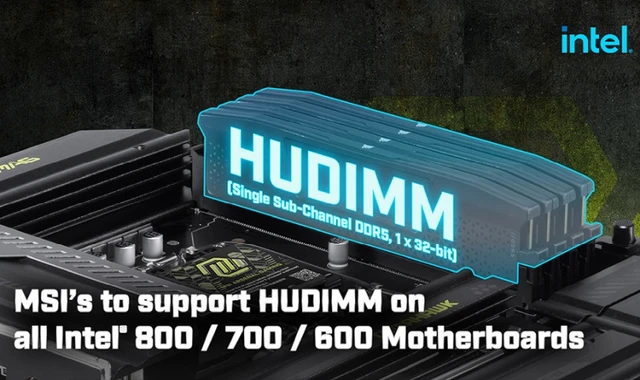
The modern RAM market is entering a fascinating phase where technological advancement is driving not just performance gains, but a radical reduction in manufacturing costs. MSI has officially confirmed HUDIMM support for its motherboards based on Intel's 600, 700, and the latest 800-series chipsets. This move transitions "single-channel" DDR5 support from an experimental curiosity to a standard BIOS feature.
The technical distinction between standard UDIMM modules and the new HUDIMM format lies in their subchannel architecture. While a classic DDR5 UDIMM operates via two 32-bit subchannels, HUDIMM utilizes only a single 32-bit channel. From an engineering perspective, this approach significantly streamlines the module layout by reducing the required number of DRAM chips.
The economic logic is straightforward: fewer components per board translate to lower production costs. While final retail pricing will depend on market dynamics and vendor strategies, the ability to manufacture cheaper modules paves the way for ultra-budget systems on contemporary platforms.
However, these cost savings come at a performance price. Because HUDIMM possesses only half the subchannel layout of a standard module, the overall memory bandwidth per module naturally drops. Practical tests and simulations—previously conducted using ASUS BIOS—recorded a bandwidth decrease of nearly 50%. This renders HUDIMM entirely unsuitable for high-performance workstations or gaming rigs, yet perfectly acceptable for entry-level office systems and specialized terminals where capacity takes precedence over raw throughput.
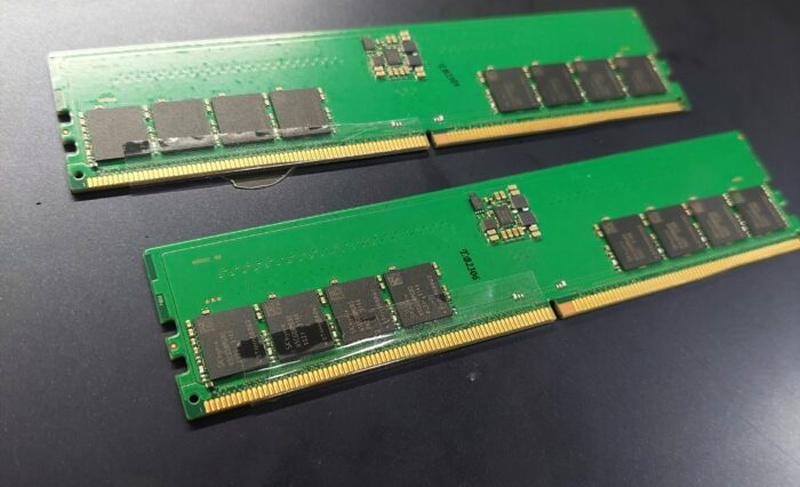
MSI's implementation within its ecosystem is remarkably seamless. New BIOS firmware versions provide automatic detection and initialization of HUDIMM modules, sparing users from the hassle of manually configuring timings or channel parameters. These updates are already available in the support sections for the corresponding motherboard models.
It is worth noting that MSI is not the pioneer in this direction. The industry is moving toward a unified support structure for this format: ASRock introduced compatibility with 1×32-bit modules back in April, followed by similar confirmations from Gigabyte and ASUS. Consequently, HUDIMM is emerging as a new standard for the budget segment, allowing users to migrate to DDR5 without paying a premium for bandwidth that is redundant for basic tasks.
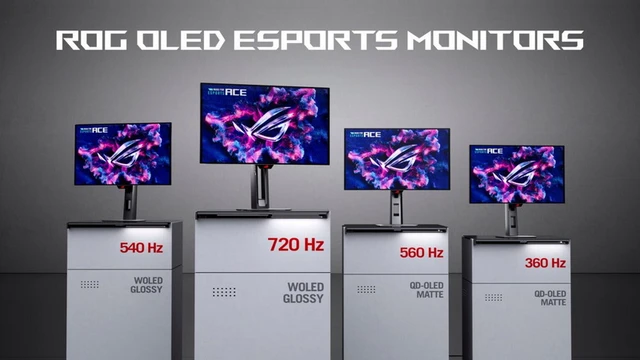 The Speed Limits of Modern Gaming Displays