The realm of single-board computers has long been a sanctuary of absolute freedom and engineering exploration. However, recent strategic shifts by Raspberry Pi signal a gradual pivot toward a closed ecosystem, where manufacturer control is increasingly prioritized. The implementation of a software-level lock preventing RAM upgrades on the Raspberry Pi 5 calls into question the very ethos of open hardware. This move transforms technical modification from a creative pursuit into a confrontation with the device's own firmware.
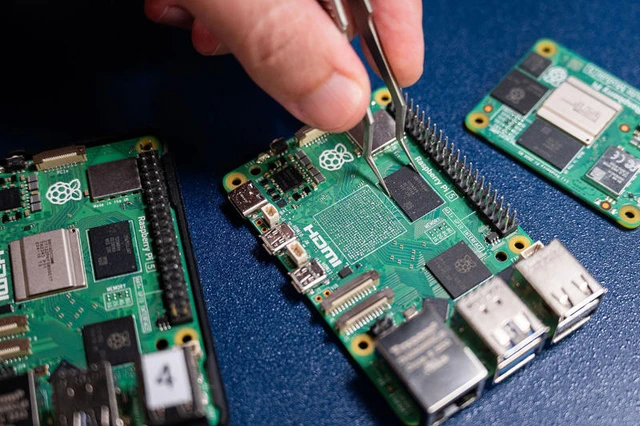
The synergy between the maker community and Raspberry Pi has long been defined by mutual trust and a shared ethos of experimentation. However, this harmony was disrupted by the discovery of a mechanism within the Raspberry Pi 5 firmware designed to block the independent replacement of RAM chips. This restriction persists even when a user swaps a module for an identical one salvaged from another original board.
From a corporate security perspective, the move is logical. The secondary hardware market is often rife with manipulation; there is a persistent risk that low-capacity models could be modified by soldering third-party—and often unstable—8GB chips, then sold as genuine high-performance versions. To avoid liability for these "hybrids," the British manufacturer opted to shut down this loophole at the software level.
The technical challenges extend beyond a mere desire to restrict the user. Working with modern LPDDR memory requires precision-tuned timings. Any soldering error or the use of a chip that barely passed factory testing can lead to critical failures. Under high thermal loads or during overclocking attempts, the instability of such modifications becomes fatal, jeopardizing the brand's reputation.
Nevertheless, the heavy-handed nature of this approach has sparked significant debate. The update implementing this ban was released in late 2024, ruling out the theory that it was a response to temporary semiconductor shortages. Currently, the only workaround is reverting to legacy firmware released prior to September 10, 2024. The company's official stance remains terse: engineers note that owners of modified devices frequently seek direct manufacturer support, bypassing the third-party vendors from whom the hardware was acquired.
As an alternative to hard-locking, experts suggest reviving the "warranty bit" concept, which was successfully employed in models up to the Raspberry Pi 3 B. In that system, intentionally pushing the hardware beyond safe limits (for instance, via the config.txt file) would automatically flip the warranty status in the firmware from "0" to "1". This allowed users to experiment while acknowledging the risks, effectively absolving the company of repair obligations.
Hardware-based identification methods, such as jumper resistors on the PCB, also exist. However, these offer little protection, as the corresponding resistor is typically swapped alongside the memory chip. Even more drastic suggestions, such as altering PCB traces via drilling, prove too labor-intensive for widespread application.
Ultimately, the Raspberry Pi 5 serves as a symbol of the company's evolution: transitioning from an educational and research tool into a full-fledged commercial product with a strictly defined lifecycle and locked modification capabilities.
 Apple’s Personal Smart Home Hub