The contemporary mobile landscape is increasingly polarizing, splitting between uncompromising flagships and strictly utilitarian alternatives. HMD Global, the Finnish manufacturer, continues to lean into the latter, crafting devices where core functionality takes precedence over superfluous features. The launch of the HMD Arc 2 represents the brand's latest endeavor to redefine the "entry point" into the modern digital ecosystem—an approach rooted in the synergy between streamlined software and optimized hardware.
The HMD Arc 2 represents an evolutionary step forward, building upon the foundations laid by the original Arc that debuted in 2024. Visually, the device remains committed to a minimalist aesthetic: a 6.52-inch IPS display with HD+ resolution and a standard 60Hz refresh rate provides a baseline of comfort sufficient for daily tasks, though it makes no claim to be a multimedia powerhouse.
The most significant upgrades are tucked away beneath the chassis. The legacy Unisoc SC9863A chipset has been replaced by the more contemporary Unisoc T603. Engineered on a 12-nanometer process with clock speeds reaching 1.8 GHz, this processor is designed to deliver a more fluid user interface and improved power efficiency—factors that are critical for devices in the budget segment.
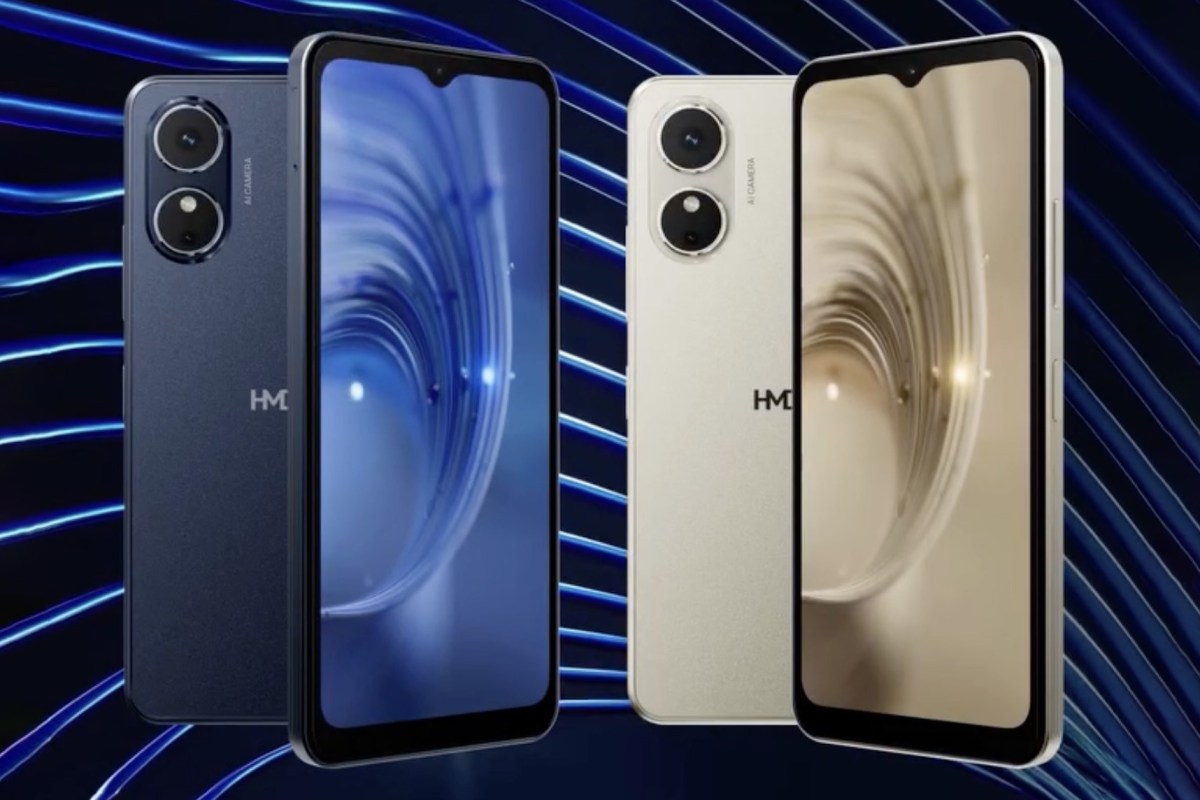
The hardware suite is rounded out with 4 GB of RAM, which, paired with optimized software, helps mitigate bottlenecks during multitasking. Users can choose between 64 GB and 128 GB of internal storage, while the inclusion of a microSD slot effectively eliminates concerns regarding limited space for media files.
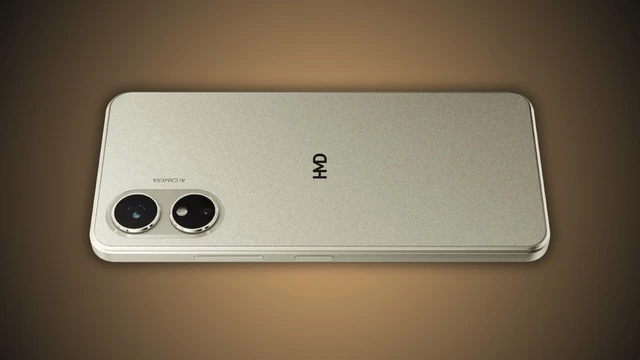
The device's imaging capabilities remain utilitarian: a 13 MP primary camera and a 5 MP front-facing module housed in a teardrop notch are intended for capturing snapshots rather than producing professional content. However, the smartphone's endurance is a standout feature—the 5,000 mAh battery ensures prolonged operation, although the 10W charging speed via USB-C remains strictly within basic industry standards. The presence of a 3.5mm headphone jack further underscores a commitment to practicality and user convenience.
At its core, the Arc 2 runs on Android 14 Go Edition. This is not merely a "stripped-down" version of the OS, but a deeply optimized environment developed by Google specifically for resource-constrained hardware. By minimizing RAM consumption and accelerating app launch times, it allows budget-tier silicon to operate at peak efficiency.
The barrier to entry for HMD's ecosystem remains exceptionally low: the 64 GB version is priced at $68, while the 128 GB model retails for $89. Thailand will serve as the primary launch market, with sales scheduled to begin in July 2026.
This release is a piece of a broader strategic puzzle for HMD Global. The company has not only extended its licensing agreement with Nokia to continue producing feature phones but is also actively experimenting with the integration of artificial intelligence into entry-level devices. The deployment of the Sarvam chatbot in the Vibe 2 5G for the Indian market, coupled with rumors regarding the revival of the legendary Asha series, suggests that HMD is striving to carve out a new class of "smart" budget devices—ones that blend the simplicity of classic handsets with the power of modern AI-driven technologies.
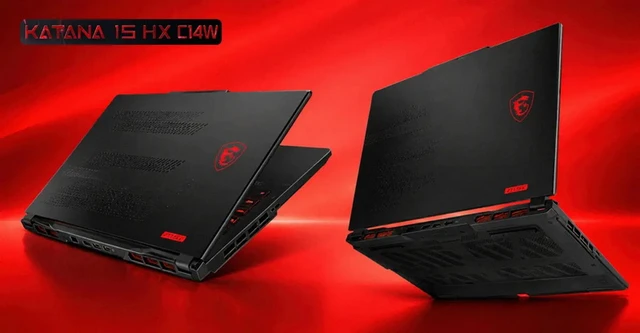 MSI Katana 15 HX and the Memory Paradox