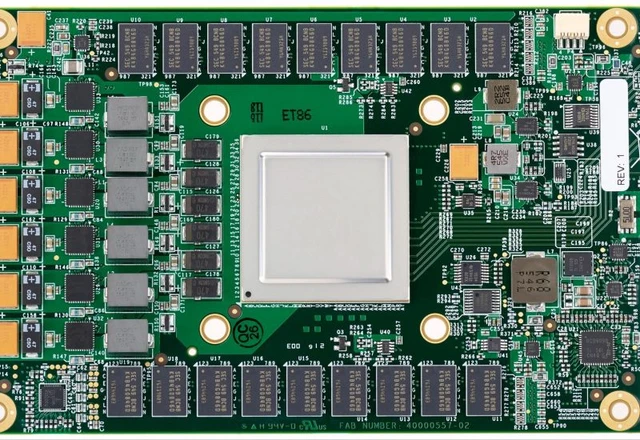
The global race for computational power is shifting from the realm of algorithmic optimization to the realities of physical production. SpaceX is striving to scale its infrastructure to unprecedented heights, envisioning an expansion that spans both terrestrial and orbital domains. However, these ambitions are colliding with a formidable bottleneck: Nvidia’s manufacturing capacity. In an era of acute semiconductor shortages, access to hardware has become a more critical asset than investment capital itself.
The modern artificial intelligence landscape has encountered a striking paradox: financial capacity is scaling far faster than the industrial ability to supply critical components. SpaceX, which is aggressively expanding its ground-based data center infrastructure and planning the deployment of orbital compute capabilities, finds itself at the epicenter of this supply crisis. According to BNP analytics, the expansion rate for such systems through the end of next year will be directly throttled by Nvidia's production cycles.
The scale of expansion is staggering: SpaceX intends to reach a threshold of 2 GW of compute capacity by the end of this year, with plans to increase that figure at least fivefold by the conclusion of next. However, this strategy mirrors a broader market trend. The eight largest cloud players, including SpaceX, are projecting a combined capacity growth exceeding 30 GW. The crux of the problem lies in Nvidia's own revenue forecasts for 2027, which correlate to the deployment of no more than 19 GW of chip-based capacity. Consequently, the supply deficit for the coming calendar year could reach approximately 17%.
SpaceX’s vulnerability is exacerbated by its commitment to a single vendor. By building its entire compute infrastructure exclusively on Nvidia components, the company has effectively become a hostage to the supplier's priorities. In the current hierarchy of resource allocation, players such as CoreWeave, Nebius, and Oracle hold privileged positions, intensifying the competition for every batch of accelerators.
The situation is further complicated by a fundamental divergence in growth rates across different industry segments. While demand for AI compute power is experiencing explosive year-on-year growth of 200%, memory production volumes are increasing by only 20%. This imbalance precludes any immediate price normalization and exerts long-term upward pressure on infrastructure costs.
The economics of these projects remain aggressively capital-intensive. Preliminary estimates suggest that deploying a single gigawatt of capacity based on the Vera Rubin family of accelerators could cost Nvidia's customers between $30 billion and $50 billion. Despite these colossal expenditures, the compute-rental business remains hyper-profitable; given current demand levels, data center investments can achieve payback in less than a year.
Ultimately, the primary challenge for providers is no longer securing financing or acquiring real estate for construction, but the physical procurement of sufficient accelerators. Technological progress in AI has hit a wall of material supply chain constraints, transforming access to silicon into the defining strategic asset of the era.

 The Price of Acceleration: CXMT’s Rapid Push into Memory