The era of artificial intelligence is rapidly transcending the confines of screen-based interfaces, venturing into the realm of physical hardware. OpenAI is making a bold move toward developing specialized hardware intended to redefine the very nature of human interaction with code. At the heart of this ambition is a partnership with legendary designer Jony Ive, ensuring an uncompromising commitment to both ergonomics and aesthetics. Recent leaks have begun to lift the veil on a device poised to become the physical manifestation of the Codex model.
OpenAI’s ambition to cultivate a comprehensive hardware ecosystem has transitioned from mere speculation to strategic reality. A high-profile partnership with former Apple design chief Jony Ive suggests that the company is not chasing the mass consumer market, but is instead focused on crafting high-end, professional-grade tools designed to integrate seamlessly into a developer's workflow. The first tangible fruit of this collaboration is expected to be a device tightly coupled with Codex, the AI model specialized in code generation and optimization.
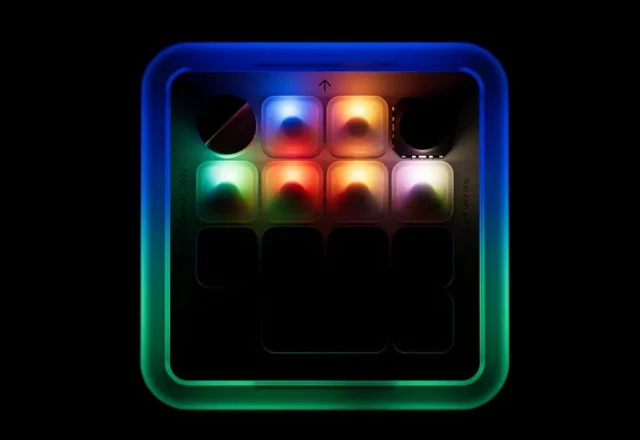
A brief teaser shared on X, coupled with a forensic analysis of screenshots by The Verge, provides an initial glimpse of the device. It appears to be a compact, square-form factor peripheral equipped with a series of physical keys. According to accompanying materials, the device aims to "upgrade" existing Codex shortcuts, effectively migrating complex software commands onto tactile buttons to accelerate the development cycle.
The technical execution appears to draw heavily from the expertise of Work Louder, a firm renowned for its bespoke professional keyboards. The striking aesthetic parallels between this new device and the Creator Micro 2 suggest similar functionality: 13 mechanical keys, a joystick, and a touch sensor. This configuration allows developers to map specific keystrokes or combinations to precise tasks, minimizing the need to toggle between windows and significantly reducing cognitive load.
This philosophy of "software-centric hardware" mirrors a previous venture by Figma, which also collaborated with Work Louder to launch a specialized controller. This underscores a broader industry shift: sophisticated professional tools are increasingly demanding bespoke physical interfaces that offer greater speed and intuition than the traditional keyboard-and-mouse setup.
The official unveiling is scheduled for July 15. OpenAI is expected to present more than just a peripheral; it is likely introducing a new paradigm for interacting with AI assistants, where the boundary between writing code and physically controlling the environment finally dissolves.
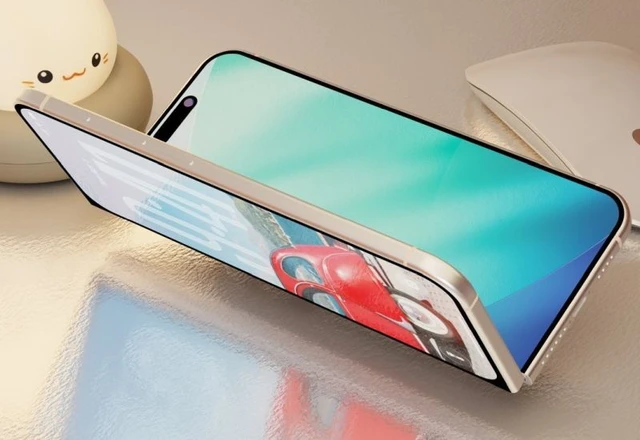 The Phenomenon of the Foldable iPhone Ultra