Modern retail is undergoing a period of radical transformation, as the lines between brick-and-mortar storefronts and digital ecosystems continue to dissolve. GameStop—which in recent years has become a totem of market volatility and the populist clash between retail investors and hedge funds—is now attempting one of the most audacious strategic pivots in the industry's history. The bid to acquire the eBay behemoth is more than a mere transaction; it is a calculated effort to fundamentally overhaul the company's entire business model. At the heart of this gambit lie staggering financial disparities and a sweeping ambition to dominate the global secondary market.
The standoff between GameStop and eBay is evolving into a protracted conflict. Back in May, the retail chain launched a bold bid to acquire the online auction giant, valuing the deal at $56 billion. Despite a swift and categorical rejection from eBay, GameStop’s leadership shows no sign of retreating. On the contrary, the company has reaffirmed its resolve to close the deal, transforming the process into a veritable corporate siege.
The scale of this ambition is almost paradoxical: eBay’s market capitalization is roughly five times that of GameStop. Such a disparity typically renders an acquisition nearly impossible without massive external leverage or highly complex stock-swap maneuvers. Nevertheless, GameStop remains steadfast, though it continues to maintain an air of mystery by withholding the specific mechanisms of its ambitious plan.
Investors are particularly attuned to the information vacuum surrounding the deal. GameStop’s management had previously promised to release detailed strategic materials regarding the acquisition, but the publication has been delayed. This silence has only served to fuel market speculation, while eBay representatives remain tight-lipped, refusing to comment on the persistence of their potential suitor.
The bedrock of GameStop’s confidence lies in its positive financial trajectory. Last year, the company reported an EBITDA of $345.4 million, and forecasts for the current fiscal year are even more bullish, with expectations exceeding $600 million. This sharp surge in operational efficiency has sent a powerful signal to the market.
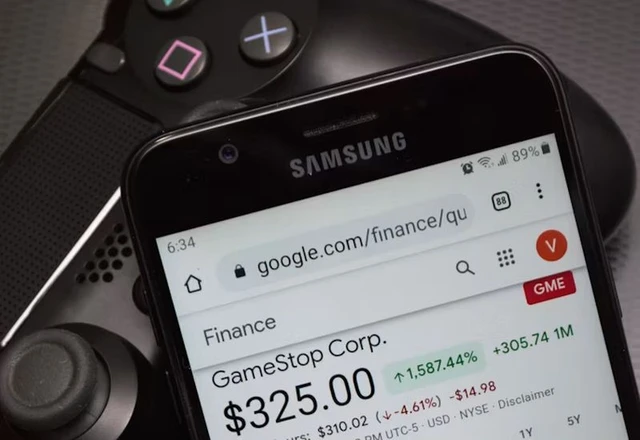
The markets reacted instantly: following official statements that GameStop intended to persist in its pursuit of eBay, the company's shares climbed by more than 2%. It appears the market is willing to entertain this "impossible" scenario, viewing it as an opportunity to forge a new titan in the realms of e-commerce and re-commerce.
 The Expansion of China's 3D NAND Memory Giant