Nation-states are increasingly viewing decentralized communication tools as a direct threat to their sovereign control over the flow of information. India’s recent attempts to curtail access to Bitchat's open-source codebase exemplify the deepening friction between state regulatory frameworks and the ideal of absolute privacy. Central to this clash is mesh networking technology—a paradigm that enables peer-to-peer data exchange by entirely circumventing traditional internet service providers and centralized server architectures. This precedent underscores a broader global trajectory: an escalating campaign against tools designed to render censorship technically obsolete.
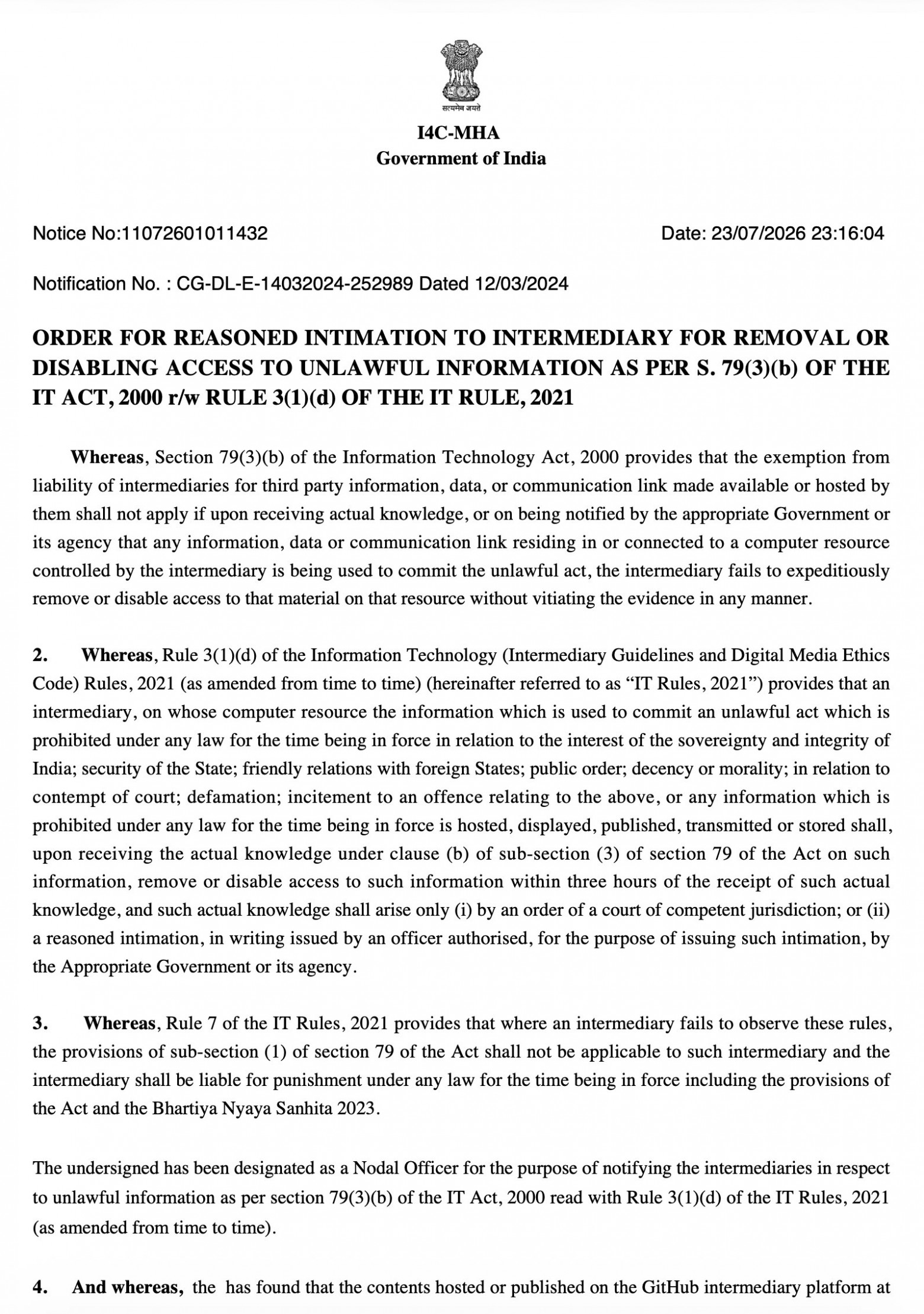
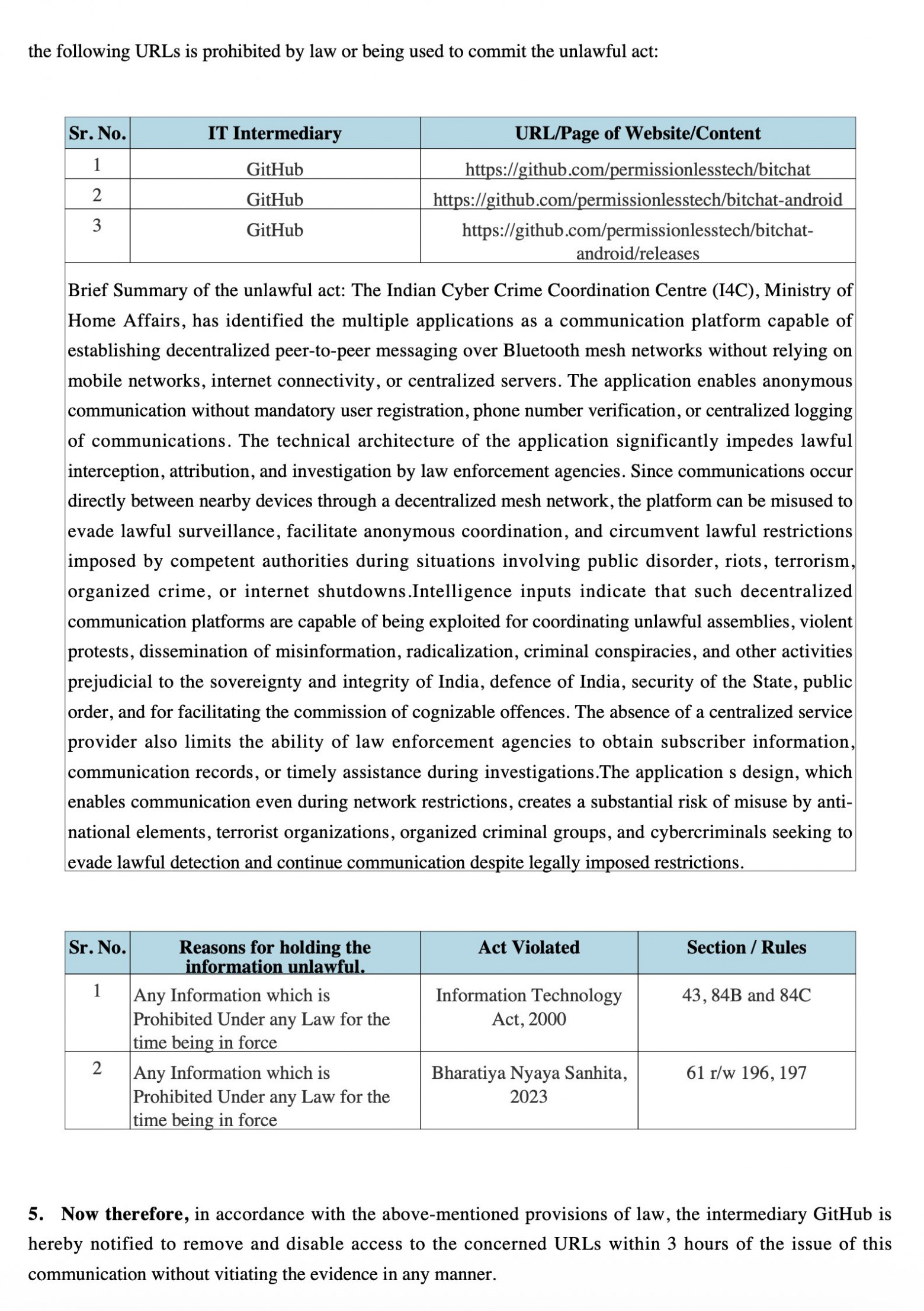
The standoff between the Indian state apparatus and open-source advocates has reached a new flashpoint. Authorities have demanded that GitHub remove the Bitchat repository—an ambitious decentralized messaging project spearheaded by Jack Dorsey. This mandate extends beyond the core codebase to include all existing Android forks, signaling a concerted effort to eradicate access to the technology at the very level of development infrastructure.
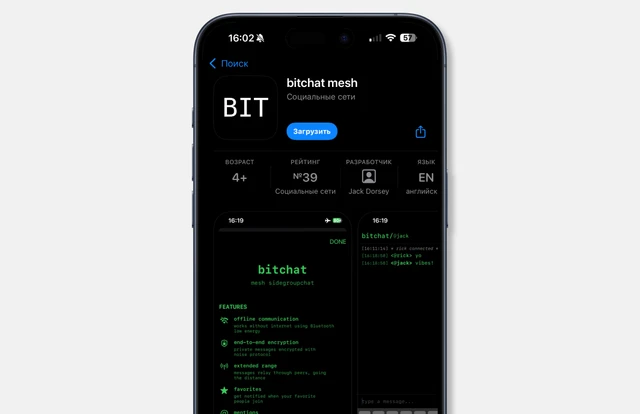
At its technical core, Bitchat leverages the Bluetooth Low Energy (BLE) protocol to establish a mesh network. Unlike conventional applications that rely on central servers or cellular providers, Bitchat transforms every user device into an active network node. Messages are relayed from one smartphone to another in a chain; given sufficient user density, this creates an autonomous communication environment that cannot be disabled by a single "kill switch" at the ISP level.
From a security perspective, the project adopts an uncompromising stance on data protection. The system completely eschews authorization and metadata collection, eliminating the possibility of user profiling or activity tracking via centralized databases. To ensure privacy, it employs a modern cryptographic stack: Curve25519 elliptic curves for key exchange and the AES-GCM algorithm for content encryption, guaranteeing both the secrecy and integrity of transmitted information.
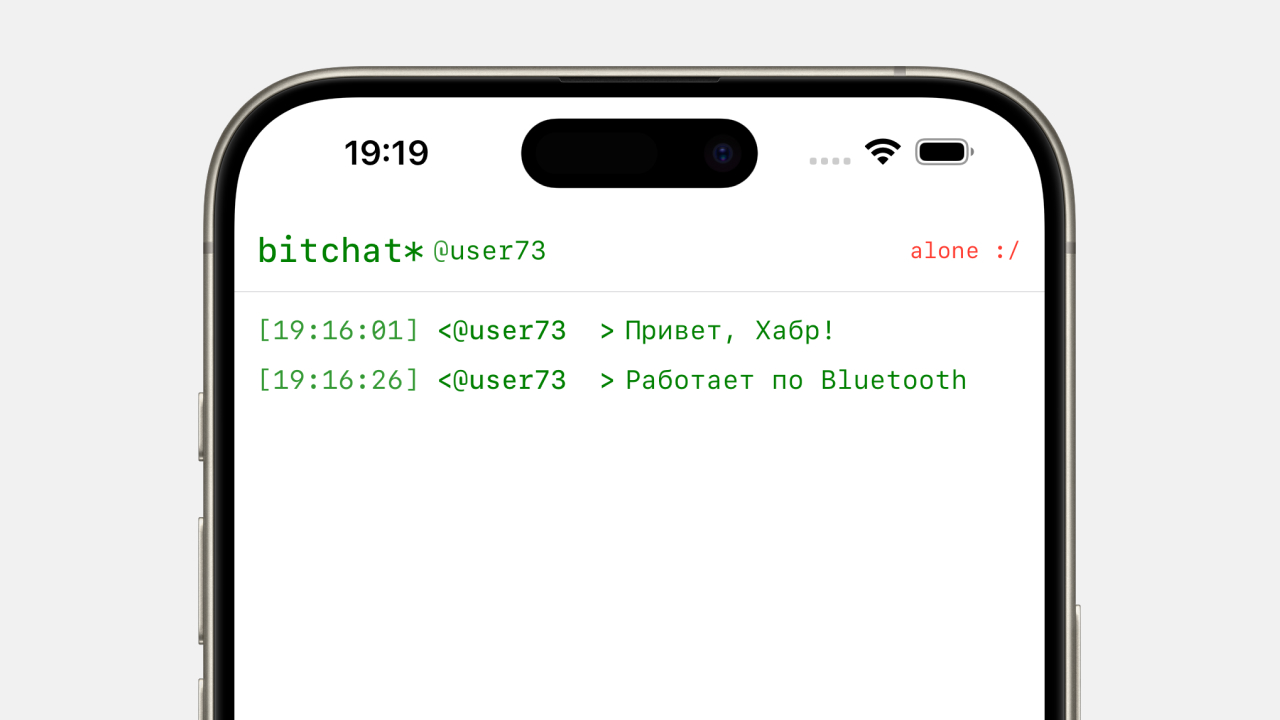
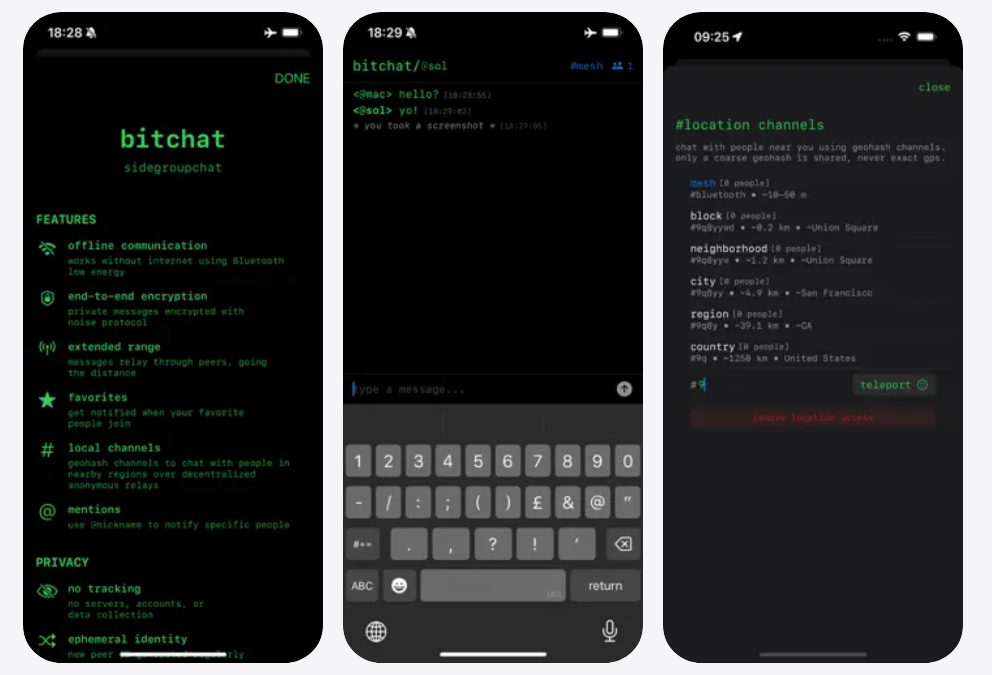
Particular attention has been paid to emergency scenarios. The interface integrates a "Panic Mode": triple-tapping the logo triggers the immediate and irrevocable deletion of all local data from the device. This transforms the application into a tool optimized for operation under extreme pressure or in the event of physical device seizure.
Despite its functional simplicity—featuring themed rooms, chat passwords, and a favorites system—Bitchat poses a significant challenge to traditional surveillance frameworks. The absence of a central control node renders it immune to standard IP blocking or DNS filtering methods. It is precisely this technical autonomy that fuels regulatory anxiety, transforming a simple messenger into a symbol of the struggle for the right to uncontrolled communication.
 Doogee’s Technological Leap in Rugged Devices