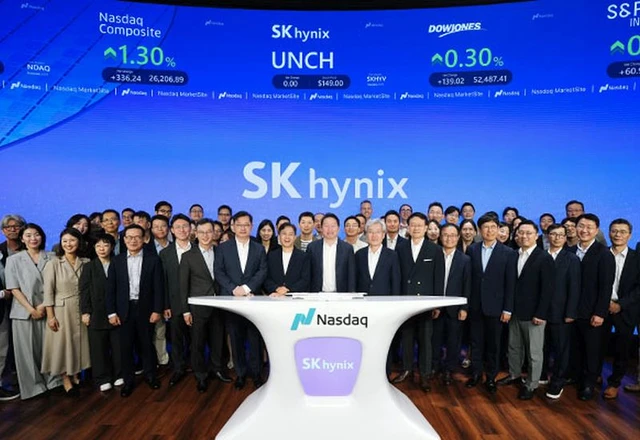
The meteoric rise of generative AI has ignited an insatiable appetite for high-performance memory. Today's computing clusters demand bandwidth and data capacities that the world's current production infrastructure is simply unable to sustain. Leadership at SK hynix warns that the industry is entering a period of chronic shortage—one that could persist well into the next decade. This shift is transforming semiconductors from mere commodities into strategic assets that will dictate the very pace of technological evolution.
The global memory market is currently gripped by a profound structural crisis. Demand for specialized solutions, such as High Bandwidth Memory (HBM), is growing exponentially, far outpacing any attempts by manufacturers to scale production. According to SK hynix CEO Kwak Noh-joon, the industry is approaching a critical tipping point: the coming years may prove to be the most challenging in history from a supply perspective. Even with the most aggressive capacity expansions, the market is expected to remain undersupplied, with the gap between AI infrastructure requirements and actual output persisting through 2030 and beyond.
The crux of the issue is that modern memory production is no longer a simple matter of scaling. Developing next-generation chips demands incredibly complex technological processes, including multi-layer vertical stacking and precision packaging. Consequently, despite massive capital injections, the physical construction of fabrication plants and their ramp-up to full capacity take years—whereas the needs of tech giants building Large Language Models (LLMs) escalate on a monthly basis.
In an effort to mitigate this pressure, SK hynix is launching a massive expansion. The primary focus remains South Korea, where the company intends to invest approximately $266 billion in new fabrication plants. However, strategic diversification is driving the company to seek sites beyond its home soil, with the US, Japan, and Southeast Asia emerging as priority destinations.
The selection of sites for new fabs is now dictated by more than just tax incentives; stringent infrastructural requirements have become paramount. Operating modern semiconductor giants requires colossal amounts of electricity, access to ultra-pure water, and, crucially, a highly skilled engineering workforce. Without these prerequisites, even the most generous government subsidies cannot guarantee a facility's success.
In the United States, SK hynix is already taking concrete steps: plans are underway for a $4 billion memory packaging facility in Indiana, with an additional $10 billion earmarked for the development of advanced AI solutions. This "hardware arms race" has become a global phenomenon. Competing giant Micron Technology is similarly bolstering its US presence, scaling its investments to $250 billion over the next nine years.
Consequently, the memory industry is shifting from a cyclical market phase into one of chronic, long-term deficit. The struggle for production capacity and raw material access has become a defining factor in the global competition for AI supremacy.
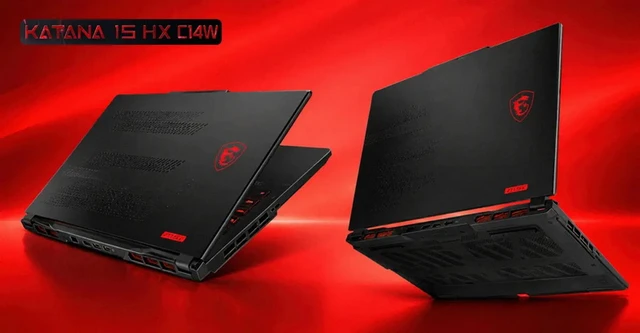 MSI Katana 15 HX and the Memory Paradox