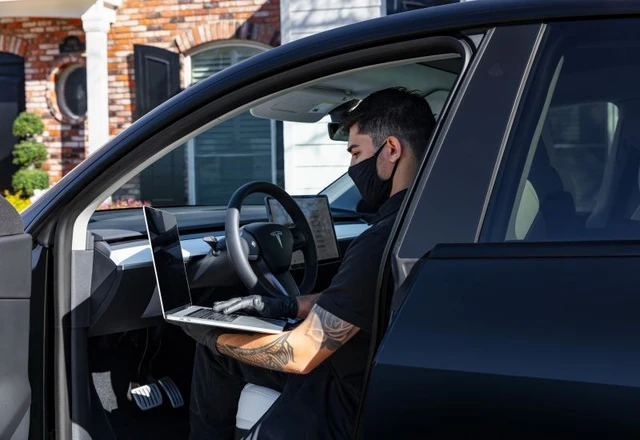
The era of unchecked neural network experimentation within the corporate sector is drawing to a close. Organizations are pivoting from a strategy of blanket adoption toward rigorous financial oversight of compute resource utilization. Tesla’s decision to cap employee AI expenditures serves as a bellwether for a global trend toward operational cost optimization. In this tension between the hunger for innovation and fiscal discipline, the true price of modern intellectual production is finally crystallizing.
Starting in July 2026, Tesla will implement a regime of strict expenditure caps on artificial intelligence tools, establishing a ceiling of $200 per week per workstation. This move appears paradoxical, given that only months ago, company leadership was aggressively urging staff to integrate neural networks into their workflows. However, the harsh reality of cloud computing has set in: internal monitoring revealed that some engineering teams were spending thousands of dollars on tokens weekly, transforming an innovative tool into a source of excessive overhead.
This trajectory is characteristic of the broader U.S. tech sector. Tesla is not alone in its drive for optimization; Uber, for instance, capped employee spending at $1,500 per month after its annual AI budget was exhausted in just four months. Meta, Amazon, and Walmart are similarly revising their payment models, shifting toward more economical tiers or introducing rigid quotas. This signals the end of the era of "free" enthusiasm and a transition toward the pragmatic cost management of intellectual labor.
Of particular interest is Tesla's synergy with Elon Musk’s broader ecosystem. While general limits apply to most tools, the use of xAI beta products remains an exception. The strategic alliance between these entities intensified after SpaceX acquired Anysphere—the parent company of Cursor—for $60 billion. Tesla engineers have effectively become the primary testers for unreleased versions of Grok and Composer, creating a closed-loop feedback system between model development and industrial-scale application.
Nevertheless, a certain degree of cognitive dissonance persists within the company. Despite pressure from the top, many Tesla employees still prefer Anthropic's Claude, viewing it as a more effective tool than Grok. The situation is further complicated by the fact that Grok has yet to be integrated into the functionality of the vehicles themselves, and Musk has publicly acknowledged certain missteps in the conceptualization of xAI.
Today, Tesla's market capitalization depends more on its AI breakthroughs than on vehicle sales, which have stagnated over the last two years. The company is betting heavily on its Robotaxi network and Optimus humanoid robots. To support these ambitions, Tesla is developing Nova, an internal tool trained on proprietary data. Nova is designed to standardize everything from administrative processes to troubleshooting technical failures on the assembly line. By integrating AI agents into engineering cycles, Tesla aims to automate defect detection, creating a form of "digital oversight" for assembly quality.
However, industry experience suggests that neural networks are not a silver bullet. The example of Ford—which began rehiring human engineers after AI failed to effectively identify quality issues—serves as a critical reminder: technological progress requires a delicate balance between automation and deep human expertise.
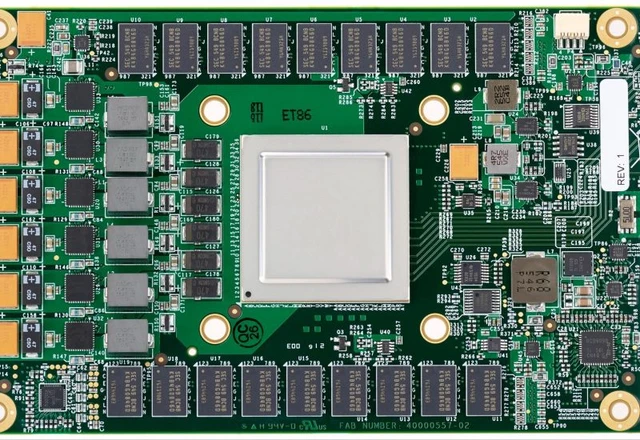 Anthropic’s Strategic Push for Hardware Independence