The wearables market is entering a new evolutionary phase, pivoting away from wrist-worn displays toward more sophisticated, intelligent accessories. Samsung is gearing up to unveil its own smart glasses, designed to integrate seamlessly into the broader Galaxy ecosystem. Recent leaks from an internal application have provided a glimpse not only into the device's aesthetic design but also its underlying software architecture. This represents a strategic move toward facilitating seamless, real-time interaction between the user and artificial intelligence.
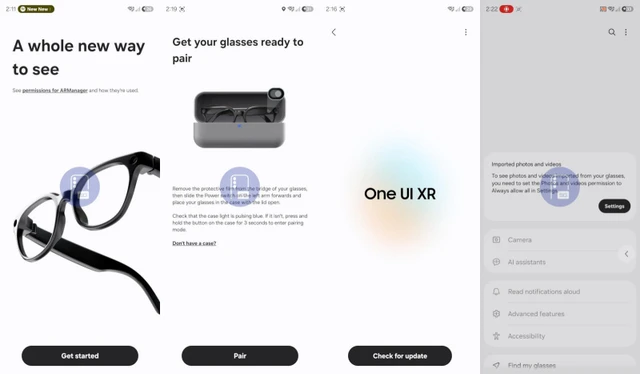
The wearables industry is undergoing a strategic shift, pivoting away from cumbersome form factors in favor of an aesthetic that seamlessly integrates with everyday style. Based on current leaks, the upcoming Samsung Galaxy Glasses are following this exact trajectory. Screenshots from a proprietary app, surfaced by SammyGuru, reveal a version of the glasses developed in collaboration with Warby Parker—a move that underscores the Korean tech giant's ambition to transform a functional gadget into a genuine fashion accessory.
The charging and storage solution is particularly noteworthy. The case mirrors the design philosophy of modern TWS earbuds, featuring an external indicator that provides real-time updates on pairing status and battery levels. Power replenishment is handled via physical contact points between the glasses and the case, eliminating the need for cables to be connected directly to the device.
From a systemic analysis perspective, the software architecture is even more compelling. Within the app's interface, a software update section mentions One UI XR—a modified version of Google’s Android XR, the platform specifically engineered for spatial computing.
This presents an intriguing technical paradox: current data suggests that the Galaxy Glasses are equipped only with speakers and are entirely devoid of displays. Utilizing an XR (Extended Reality) platform, which is traditionally optimized for augmented and virtual reality, in a device lacking visual output seems redundant. It is likely that Samsung is developing a unified software stack across its entire XR portfolio—ranging from full-scale headsets to lightweight audio glasses—to ensure consistent control schemes and streamlined AI integration.
Samsung’s ecosystem-centric approach is further evidenced by deep integration with other wearable sensors. Fragments found in the app's code point to a tight synergy with the Galaxy Ring. This suggests that the ring may serve as the primary controller or a source of biometric data, which the glasses would then process and relay to the user via audio, creating a comprehensive "ring-glasses-smartphone" interaction loop.
While Google and Samsung are expected to unveil the final product by the end of the year, there is a high probability that the first official details will emerge sooner, likely during the presentation of the new foldable smartphones, where the company traditionally showcases the synergy between its flagship devices.
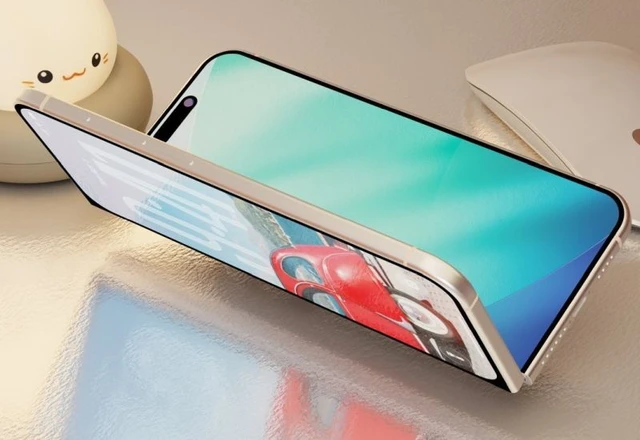 The Phenomenon of the Foldable iPhone Ultra