The contemporary consumer electronics market is undergoing a fundamental paradigm shift, pivoting from the concept of ownership toward a model of access. Escalating component costs, fueled by the global artificial intelligence boom, are pushing premium devices further out of reach for the average consumer. In response to these headwinds, Apple is implementing a leasing framework designed to redefine the traditional device upgrade cycle. This initiative signals a strategic pivot toward a "Hardware-as-a-Service" model, aimed at sustaining sales momentum amidst mounting pricing pressures.
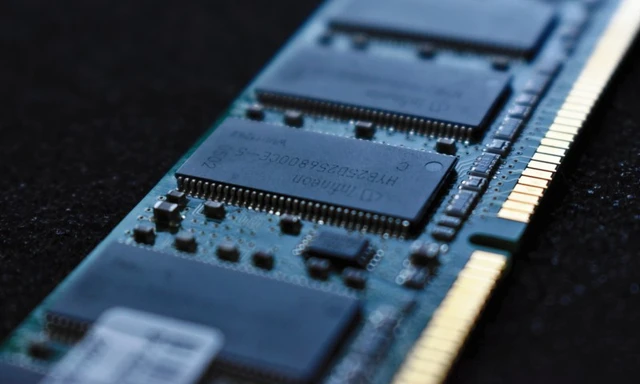
The semiconductor industry has hit a critical inflection point: the meteoric ascent of generative AI has triggered an acute shortage of volatile and non-volatile memory chips. This market volatility has inevitably driven up production costs, forcing Apple to recalibrate its pricing strategy for the iPad and MacBook lineups. As direct price hikes begin to dampen consumer demand, the company is pivoting toward financial engineering, introducing the "Apple Upgrade" program.
At the heart of this initiative is a strategic alliance with Swedish fintech powerhouse Klarna Group, shifting the acquisition of high-end hardware from a lump-sum expenditure to a stream of recurring payments. Operating on a subscription-like model, the program grants users access to the latest iPhone, Mac, iPad, and Apple Watch models without requiring an immediate full payout. This flexibility provides consumers with several paths: they can exercise an early buyout, pivot to a newer model before the contract expires, or retain ownership of the device upon completion of the leasing term.
From a strategic standpoint, Apple Upgrade is positioned as a more streamlined and accessible alternative to legacy financing options. To steer the audience toward this new instrument, the company plans to phase out enrollment for older iPhone upgrade schemes. The service will be integrated across all sales channels, from physical retail footprints to digital storefronts.
However, the leasing framework is not universal across the product portfolio. Entry-level tiers—such as the Apple Watch SE, base iPad and iPhone 16 models, and the MacBook Neo—are intentionally omitted. The logic is clear: entry-level devices remain accessible on their own, whereas leasing is designed to dismantle financial barriers specifically for high-margin, premium products.
A pivotal departure from previous upgrade iterations is the omission of bundled AppleCare coverage. Furthermore, the service remains unavailable to the enterprise and education sectors, focusing exclusively on the individual consumer. In doing so, Apple is engineering an ecosystem where hardware cycles are transformed from sporadic, high-cost acquisitions into a seamless, recurring process—effectively insulating user retention against broader economic headwinds.
 Energy Autonomy: The Extreme Edition