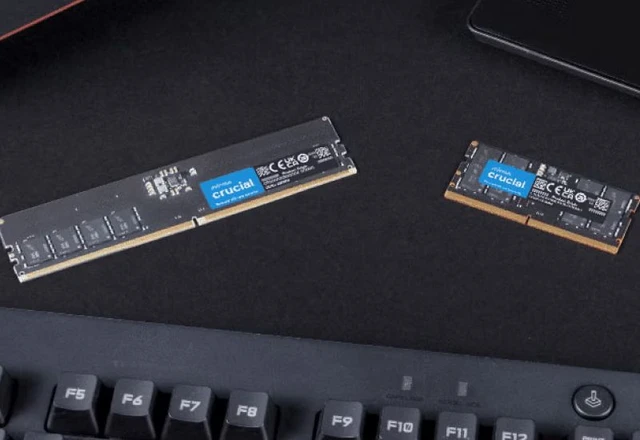
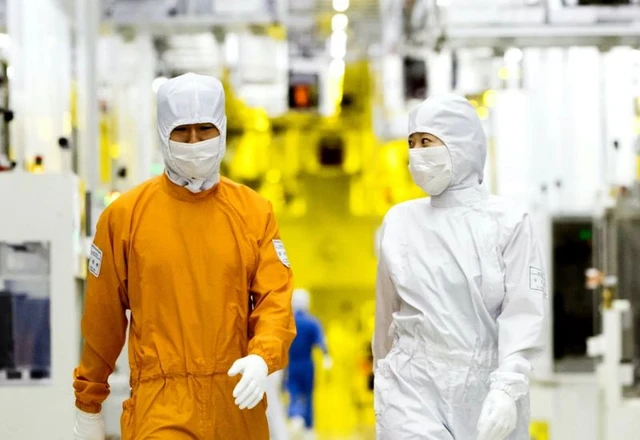
The global surge in demand for compute power in the age of artificial intelligence is triggering a new wave of unprecedented capital expenditure. South Korean titans Samsung Electronics and SK hynix are laying the groundwork for a massive expansion in memory production, deploying capital in excess of half a trillion dollars. This strategic pivot is sparking a chain reaction, sending immediate ripples through the valuations of key semiconductor equipment suppliers. The spotlight now falls on the industry's infrastructure layer—the critical foundation that dictates the pace of global technological advancement.
The scale of the impending expansion in the semiconductor memory sector is staggering: long-term strategic plans from Samsung Electronics and SK hynix envision investments surpassing the $500 billion threshold. Such colossal capital injections signal that market leaders are not merely reacting to current demand, but are betting on a fundamental shift in computing architecture—one where high-speed memory becomes the critical nexus for the operation of neural networks and large language models (LLMs).
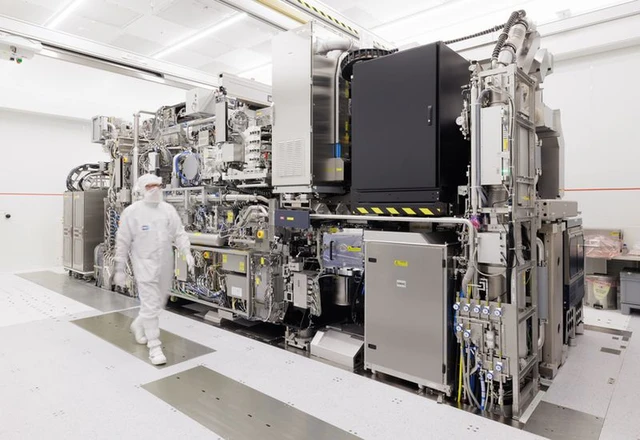
This investment momentum has translated into immediate financial optimism for the companies providing the hardware infrastructure for lithography and chip assembly. Market analysts project that by 2028, the specialized equipment market will reach an annual volume of $250 billion. Within this ecosystem, the Dutch firm ASML occupies a unique position as the world's sole provider of Extreme Ultraviolet (EUV) lithography systems, without which the production of the most advanced process nodes would be impossible. The market's reaction was swift: the company's shares surged 6.8%, hitting a new all-time high.
Alongside ASML, American tech giants Applied Materials and KLA Corp demonstrated robust growth, with their New York listings gaining approximately 5%. These companies fill vital niches in the value chain, ranging from precision material deposition to sophisticated optical quality control of wafers. This trio of issuers became the primary driver for the Philadelphia Semiconductor Index (SOX) over a brief two-day window, cementing their status as "primary beneficiaries" of any capacity expansion in Asia.
However, the trajectory of the SOX index this year has been a rollercoaster. While the market saw phenomenal growth of 100% in the first half of the year, fueled by AI-driven euphoria, the sector faced a sharp correction last week, shedding a record 8%. Such volatility underscores the fragile balance between long-term prospects and short-term investor anxiety regarding market overheating.
In the coming weeks, the spotlight will shift to the financial reports of two industry titans: ASML and TSMC. The former defines the technological ceiling for the entire industry, while the latter is the world's largest contract manufacturer, with the majority of the planet's most advanced chips passing through its fabs. The second-quarter statistics, due for release in the latter half of the month, will serve as the definitive health indicator for the semiconductor sector and will dictate the trajectory of global equity markets for months to come.
 The Dawn of the 2nm Era in the New iMac