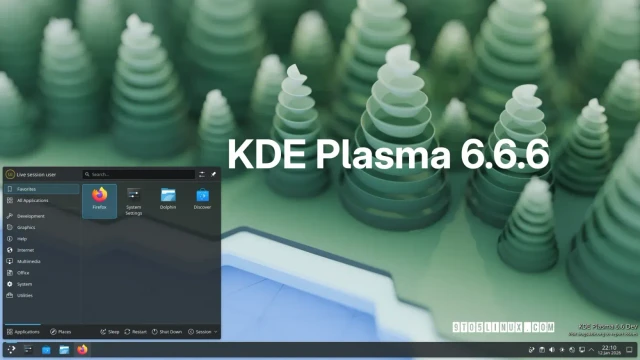
The evolution of desktop environments within the Linux ecosystem has always been a delicate balancing act between daring innovation and rock-solid stability. The release of KDE Plasma 6.6.6 serves as the definitive capstone for one of the environment's most pivotal development branches, consolidating the progress made over recent months. Rather than pursuing radical shifts, this update focuses on the meticulous refinement of the user experience, with a primary emphasis on critical fixes for the system compositor and the optimization of interoperability with modern hardware.
The development cycle for the KDE Plasma 6.6 branch, which commenced in February 2026, has reached its culmination. The final act, version 6.6.6, arrives as a comprehensive bugfix release designed to push the environment's stability toward a gold standard. For those seeking to experience the updated system in its purest form, KDE Neon remains the premier choice, alongside specialized openSUSE-based distributions such as Argon (Leap) and Krypton (Tumbleweed).
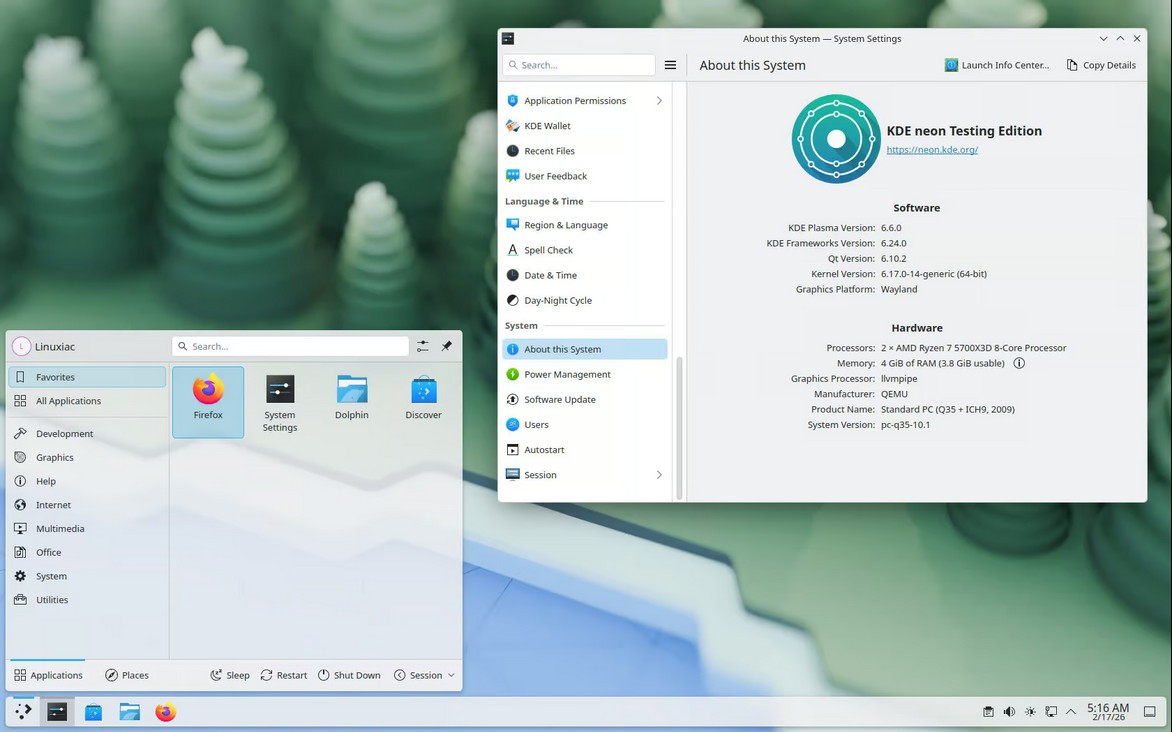
A significant portion of this release is dedicated to KWin—the compositor that serves as the heart of the graphical interface. Developers have eliminated a series of critical crashes triggered by the irregular opening of dialogs and pop-up windows. A pivotal improvement addresses XWayland: screen locking no longer induces lags or hangs in applications utilizing this compatibility layer, thanks to a refined implementation of clipboard handling. Furthermore, legacy hardware compatibility has been bolstered, ensuring KWin now launches reliably even on aging GPUs with corresponding drivers.
Technical optimizations have also extended to resource management. Specifically, a severe memory leak has been resolved, which previously manifested when applying forced window rules to the Firefox browser operating in CSD (Client-Side Decoration) mode. In tandem, multi-monitor configurations have been stabilized; fixes address crashes occurring during action switching via the "Activity Pager," changes to monitor layouts during system login, and shell restarts initiated via systemctl.
Visual fidelity and interface ergonomics have undergone a thorough revision. The team has corrected rendering errors for custom window decorations when using a scaling factor below 100% and resolved an issue where screen casting confirmation preferences were not being retained. Users now benefit from SVG wallpaper support for the automatic light/dark theme switching feature, offering greater flexibility in workspace customization. Notably, tiling layouts—which previously risked resetting on portrait-oriented monitors after a reboot—have been stabilized.
The system's utility suite is now more precise and predictable. Plasma System Monitor no longer reports "ghost" network activity while offline, and the Plasma Discover app store has ceased duplicating reviews during software re-installation. Within the Kickoff launcher, regressions tied to Qt 6.11 that impacted search functionality and overall panel stability have been ironed out. For power users, KRunner can now be invoked from the desktop using the numeric keypad, and the ability to copy standalone icons during panel cloning has been implemented.
The update concludes with a suite of security and accessibility enhancements. Support for the Orca screen reader has been integrated into font settings, and mouse wheel behavior now correctly honors "natural scrolling" preferences. On the security front, a path traversal vulnerability in the ksystemstats_intel_helper process has been closed, and the task manager widget has been hardened against potentially malicious .desktop files. Additionally, the Bubblewrap sandboxing mechanism applied to system services has been optimized, resulting in a more isolated and secure overall environment.
 The Speed Limits of Modern Gaming Displays