The global unmanned systems market has evolved into a flashpoint of intense geopolitical friction. DJI’s long-standing industry dominance is now colliding with a systematic campaign to purge Chinese technology from the American landscape. The U.S. Federal Communications Commission (FCC) is shifting its strategy beyond outright bans, moving toward dismantling "white-labeling" schemes and stealth hardware rebranding. This pivot signals the dawn of an era of aggressive technological protectionism, where a product's provenance has become more critical than its technical specifications.
U.S. regulatory strategy toward the Chinese tech sector has shifted into a more aggressive gear. The Federal Communications Commission (FCC) has launched an extensive campaign to identify and block entities attempting to circumvent trade restrictions by selling modified or rebranded DJI devices under third-party labels. A wide array of players—ranging from Cogito and Fikaxo to Lyno Dynamics, Skyhigh Tech, Spatial Hover, SZ Knowact, WaveGo, Xtra, and XAG—have been flagged as potential violators. From the regulator's perspective, this practice of "masking" creates unacceptable national security risks, effectively allowing Chinese technology to infiltrate critical infrastructure under the guise of neutral branding.
The conflict surrounding DJI has been both protracted and paradoxical. As early as July 2021, the U.S. Department of Defense officially designated the manufacturer's quadcopters as potential threats; yet, in practice, U.S. intelligence agencies continued procuring these devices for months. The tide only turned in October 2025, when the FCC ratified stringent measures against "unreliable equipment." According to the current timeline, DJI’s operations in the U.S. will be automatically terminated by December 23, 2025, marking the end of the company's long-standing presence in one of the world's largest markets.
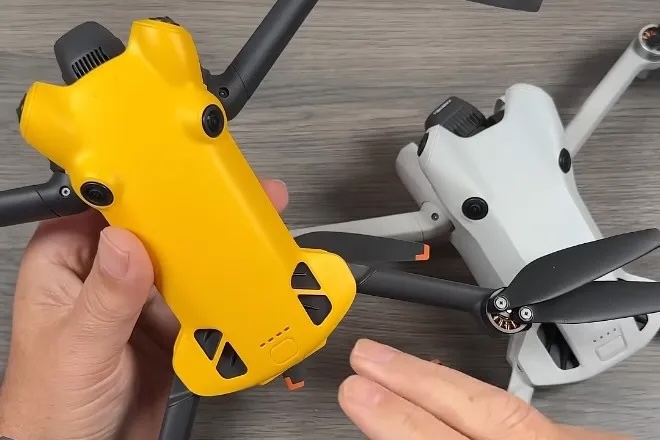
To ensure the efficacy of these bans, the FCC is implementing mechanisms of severe financial leverage. Companies attempting to evade official screenings for "blacklisted" products face fines of up to $25,000. Late last year, the regulator radically expanded its purview, incorporating all new foreign-made drones and components into the prohibited list. DJI has emerged as the primary target of this crackdown, becoming a symbol of the widening technological schism between the two superpowers.
For its part, DJI has expressed deep disappointment with the regulator's actions. The company maintains that data security concerns are largely rhetorical and lack concrete technical evidence. From the manufacturer's perspective, the FCC’s maneuvers are a manifestation of pure protectionism, contradicting the fundamental principles of open markets and free competition.
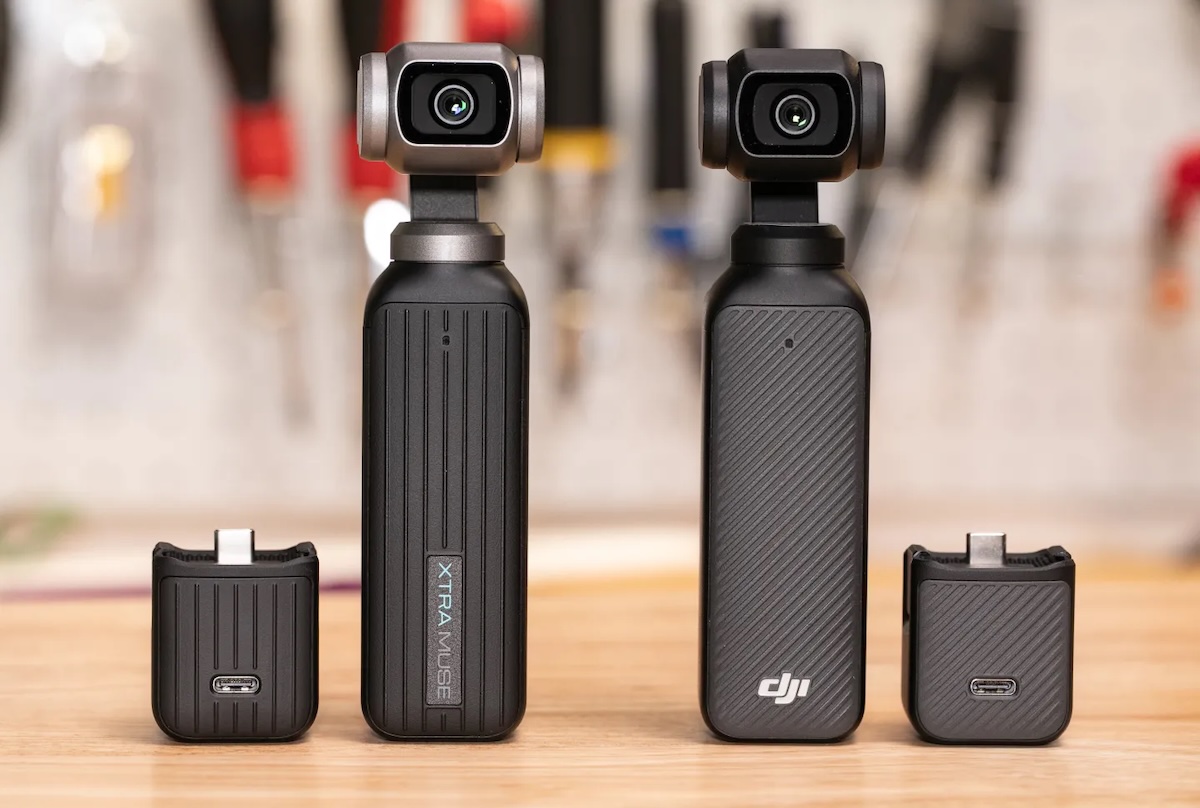
Of particular interest is the legal mechanism the FCC intends to employ to purge the market. While restrictions were initially framed as applying only to new hardware models, the regulator is now expanding its authority to cover "previously approved equipment" that is essentially a rebranded version of legacy DJI products. Last October, the commission voted to allow retroactive bans. This creates a precarious precedent: a device deemed legal at the point of sale could suddenly become illicit due to a change in the manufacturer's status or the discovery of covert rebranding.
The FCC has now opened a public comment period, providing a 30-day window to gather specific evidence that the listed companies are indeed reselling modified DJI devices. This process is evolving into a form of "technological audit," where the regulator demands total transparency regarding the origin of every component, effectively severing all remaining ties with the Chinese drone ecosystem.
 Energy Autonomy: The Extreme Edition