The era of generative artificial intelligence has forced digital libraries to confront fundamental questions regarding the value of authorship and the sanctity of content authenticity. A deluge of synthetic text and imagery is blurring the line between genuine creativity and algorithmic mimicry, fueling a systemic crisis of "information noise." In response, Libby is seeking to restore agency to the reader by implementing tools designed to filter out AI-generated works—a move that aligns with a broader global imperative to safeguard human intellectual labor amidst the rapid expansion of AI.
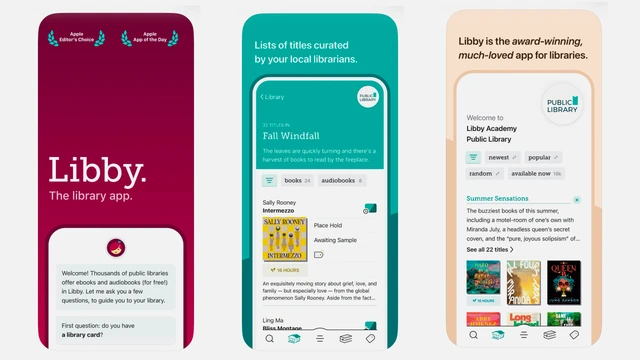
Libby, the digital lending platform, is introducing a content filtration system designed to weed out AI-generated material. Users will now be able to seamlessly hide books, cover art, translations, and even audio narrations produced by neural networks from their feeds. This initiative, announced by the service's new CEO, aims to cultivate a "clean" ecosystem for those who prioritize a purely human approach to literature and art.
The technical implementation of this tool does not rely on automated AI pattern recognition—a task that remains notoriously difficult even for the most advanced detectors—but rather on the principle of transparent disclosure. The filter only targets works that were officially flagged as AI-generated upon publication. Consequently, the burden of transparency rests with the authors and publishers, rendering the system more of an ethical framework than a technological barrier.
Despite the potential contraction of its available catalog, Libby’s leadership remains unfazed. The sheer scale of the service allows it to absorb the loss of some contemporary content: the library already boasts over 6 million titles, spanning 92,000 public libraries and universities across 115 countries. Since the vast majority of this archive was created long before the generative AI boom, users maintain access to a colossal volume of authentic literature.
The situation at Libby is merely the tip of the iceberg in a systemic crisis gripping the digital self-publishing market. As early as 2023, Amazon faced an onslaught of low-quality content via its Kindle Direct Publishing (KDP) platform. Some users began generating dozens of books per day, transforming "new arrival" sections into an endless stream of nonsensical text where finding a human author became nearly impossible. This forced Amazon to implement strict daily upload limits and mandate that authors disclose the use of AI in creating text or illustrations.
Similar trends are emerging among other major industry players. The Canadian service Rakuten Kobo reported a surge in rejection rates, with nearly half of all submissions from independent authors being turned away. The primary culprit was "raw" AI output—content devoid of final editing and human oversight.
This trend highlights a pivotal transformation within the industry: where digital platforms once prioritized maximum catalog expansion, the focus has shifted toward curation and verification. Combating "synthetic spam" has become a necessity for preserving the quality of the literary environment, ensuring that human intellect and editorial rigor remain the primary benchmarks of a work's value.
 Anthropic’s Strategic Push for Hardware Independence