The security paradigm for modern computing systems has long since shifted from the application layer directly into the processor silicon. A recent incident involving the disabling of hardware-based memory encryption in AMD's consumer chips has exposed a fundamental tension between strategic marketing segmentation and the expectations of power users. Transparent Secure Memory Encryption (TSME) serves as a critical line of defense against physical memory analysis, rendering it indispensable for safeguarding sensitive data. Asus has become the first manufacturer to restore this functionality for Ryzen 9000 owners, preempting AMD's official rollout timeline.
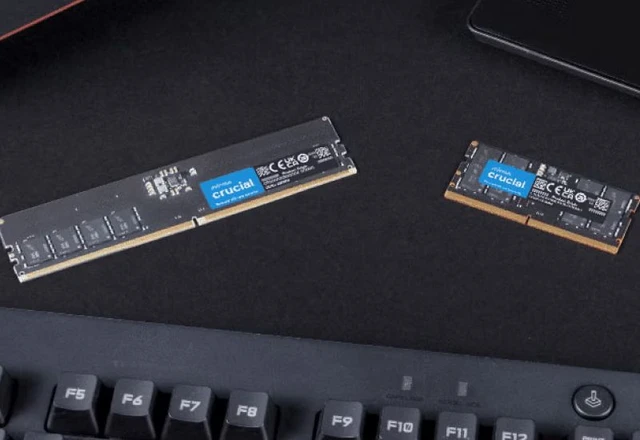
Physical-layer data security often flies under the radar for the average user, but for professionals and power users, protecting system memory is a paramount concern. Transparent Secure Memory Encryption (TSME) enables real-time RAM encryption, mitigating the risk of data leaks during physical access to a device—specifically thwarting "cold boot" attacks. Long considered a hallmark of the enterprise segment, this functionality has now been integrated at the hardware level within the consumer-grade AMD Ryzen 9000 series.
However, the situation grew contentious when AMD implemented what is effectively an artificial limitation. Through AGESA microcode updates, the company quietly disabled TSME support for all chips outside the Pro lineup. This aggressive market segmentation strategy sparked significant backlash from the community; users discovered that their hardware possessed capabilities that had been software-locked by the manufacturer without any prior notification.
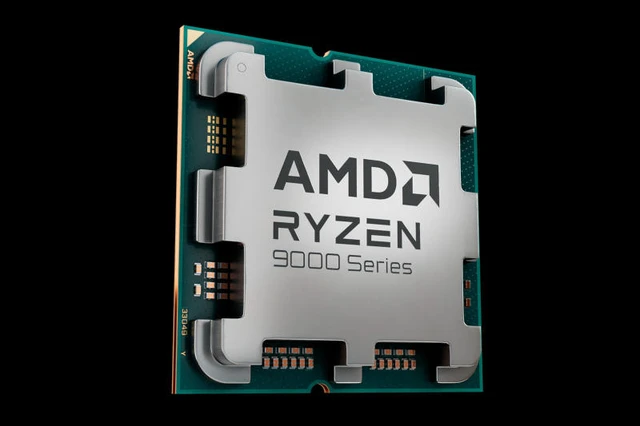
The industry's response was swifter than anticipated. Asus has begun deploying beta BIOS versions that restore memory encryption support for the Granite Ridge family (the codename for Ryzen 9000 desktop processors). These updates are based on AGESA ComboAM5 PI 1.3.0.1b Patch A, which bypasses the software restrictions and reactivates TSME mechanisms across a broad spectrum of consumer CPUs.
This functionality is now available for an extensive array of Socket AM5 motherboards. Specifically, the updates cover the premium ROG Crosshair and ROG Strix series, as well as the TUF Gaming and ProArt lines. Support extends to the latest X870 and B850 chipsets, as well as the previous-generation X670. Depending on the board model, BIOS versions range from 1686 to 3901, indicating a comprehensive overhaul of the system's core management code.
It is worth noting that AMD officially acknowledged the need to restore the feature, citing "valuable community feedback," and pledged a resolution by July. However, Asus's initiative demonstrates that the technical capacity to restore access existed long before the official timeline.
Nevertheless, these updates currently carry a beta designation. This means that while a critical security feature has returned, system stability may not be guaranteed across all configurations. While the general user base is advised to wait for final releases, enthusiasts now have the tools to reclaim the full hardware potential of their systems.
 The Dawn of the 2nm Era in the New iMac