Today's high-tech hardware market frequently serves as a battleground where aggressive corporate cost-cutting clashes with fundamental consumer rights. The recent controversy surrounding Crucial illustrates just how precarious user trust becomes when warranty obligations are reduced to mere formalities. The attempt to substitute high-end equipment with a nominal cash payout has sparked significant backlash across the professional tech community, exposing deep-seated systemic failures in product support that often emerge following the restructuring or dissolution of consumer-facing divisions within major vendors.
The crisis of confidence surrounding Crucial, a brand owned by Micron Technology, began with a technical failure that should have been resolved through a standard RMA procedure. A user experienced the failure of a 48GB DDR5 module—a component that serves as the bedrock of stability in modern high-performance systems. However, instead of a swift hardware replacement, the customer was met with an unexpectedly rigid corporate policy.
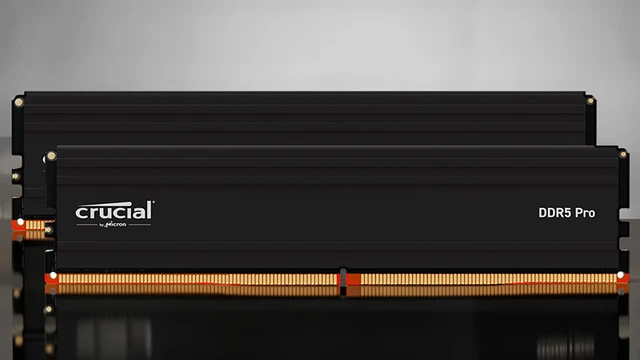
The situation was exacerbated by the fact that Micron had effectively ceased production of certain consumer memory lines under the Crucial brand, shifting its warranty obligations toward monetary refunds based on the original purchase price. In an environment of market volatility and periodic RAM shortages, such a strategy is highly questionable. The customer was offered a refund of $241.86, which represented only about 37% of the current market value for equivalent kits. With retail prices for Crucial Pro DDR5-6000 and DDR5-5600 modules peaking at $490 during certain periods, the vendor's offer appeared less like a good-faith warranty fulfillment and more like an exercise in cost minimization.
The ordeal was further complicated by bureaucratic hurdles: the user was required to ship not only the defective module but the entire kit, with all shipping costs borne by the customer. Such an approach creates artificial barriers to exercising consumer rights, transforming the return process into a costly and risky venture. An analysis of discussions across specialized forums reveals that this is a systemic issue; similar support struggles have been reported by owners of the brand's SSDs, pointing toward a degradation of service quality following the restructuring of its consumer division.
The turning point was public exposure. Once the details of the dispute gained traction within the Reddit community and were picked up by Tom’s Hardware, Micron's corporate pragmatism gave way to the urgent need for reputation management. Under public pressure, the company abruptly shifted its approach to resolving the conflict.
Ultimately, the user received more than just an equivalent replacement; they received a genuine technological upgrade: three Crucial Pro DDR5-6400 C32 modules totaling 48GB. These new modules significantly outperform the original kit in terms of frequency and timings, effectively turning a warranty claim into a free hardware upgrade. This outcome highlights a critical trend in today's IT market: in an era of transparency and instantaneous information dissemination, public resonance has become the only effective tool for interacting with global corporations prone to ignoring individual consumer grievances.
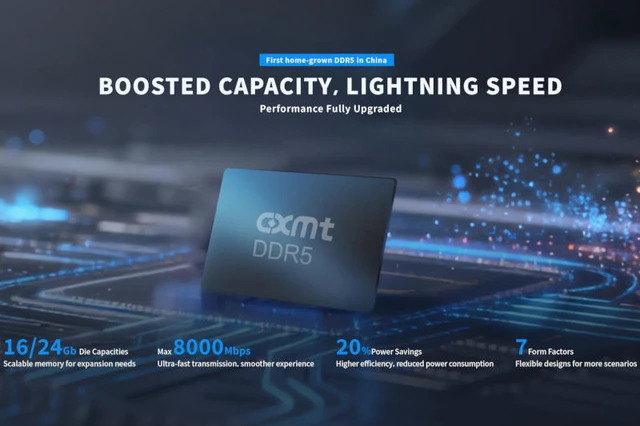 The Price of Acceleration: CXMT’s Rapid Push into Memory