The contemporary electric vehicle market is transitioning from an era of audacious experimentation into a phase defined by rigorous demands for operational reliability. Ambitious promises are increasingly colliding with the stark realities of mass production—a landscape where innovation is only as valuable as the engineering precision that sustains it. The Cybertruck saga has become a textbook example of how the chasm between a curated marketing persona and actual technical execution can precipitate significant reputational risks. Now, the admission of systemic defects in its power electronics is forcing the company to fundamentally reassess its obligations to its owners.
The Cybertruck's trajectory from futuristic concept to mass-market product has been fraught with volatility. A vehicle designed to be the ultimate symbol of technological dominance instead became a lightning rod for systemic failures—ranging from oxidation on its stainless steel panels to discrepancies in the touted strength of its glass and chassis. However, the most critical flaw lay hidden within the powertrain: a recurring failure of the power converter responsible for charging the traction battery.
At its core, the issue stemmed from a hardware defect in the module managing energy conversion during the charging process. For owners of early production runs (pre-2026), this malfunction evolved into a costly nightmare, with replacement costs swinging between $5,000 and $7,200. For an extended period, Tesla attempted to mitigate its losses by offering only partial discounts on repairs and denying warranty claims, despite estimates suggesting the defect affected up to 40% of all delivered vehicles.
The tide turned with a hardware-level redesign in newer batches. Tesla has now officially pivoted toward a strategy of full remediation, committing to free converter replacements for all affected owners and providing an extended warranty on the component for eight years or 240,000 km. Interestingly, 2026 models carry more modest warranty terms (7 years or 112,000 km), a move that indirectly signals engineering confidence in the reliability of the updated hardware.
While owners await their turn at service centers, Tesla has attempted to soften the blow via software mitigation. A recent OTA update allows vehicles with partially failed converters to continue utilizing the Supercharger network. However, this software "stopgap" is far from a complete solution: when charging via domestic outlets, the maximum current drops from 48 to 24 amps, and the process becomes unstable and prone to interruptions. As compensation for these inconveniences, users have been granted free access to proprietary fast-charging stations while awaiting repair.
This incident is part of a broader pattern of systemic hardware failures at Tesla. The company previously faced significant pressure from the NHTSA regarding the failure of internal eMMC flash memory in the Model S and Model X. In those instances, memory degradation led to total crashes of the infotainment system—which, within the Tesla ecosystem, serves as the central hub for all critical vehicle functions, including safety systems.
Such precedents highlight a dangerous trend of "beta-testing" hardware on actual end-users. The shift toward public acknowledgment of defects and full financial compensation suggests that the era of unchecked engineering oversights is ending, giving way to the rigorous standards of industrial accountability.
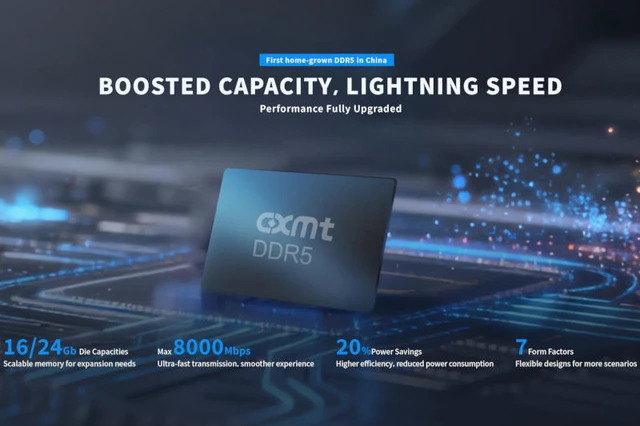 The Price of Acceleration: CXMT’s Rapid Push into Memory