The era of generative artificial intelligence has ushered in more than just a technological leap; it has introduced a novel strain of digital pollution. Today's algorithms are capable of synthesizing products that mimic the veneer of high-value content while remaining hollow or blatantly fraudulent beneath the surface. The proliferation of fake video game guides flooding Amazon exposes a critical vulnerability in modern moderation systems, serving as a troubling harbinger of global marketplaces devolving into repositories for "AI-generated spam."
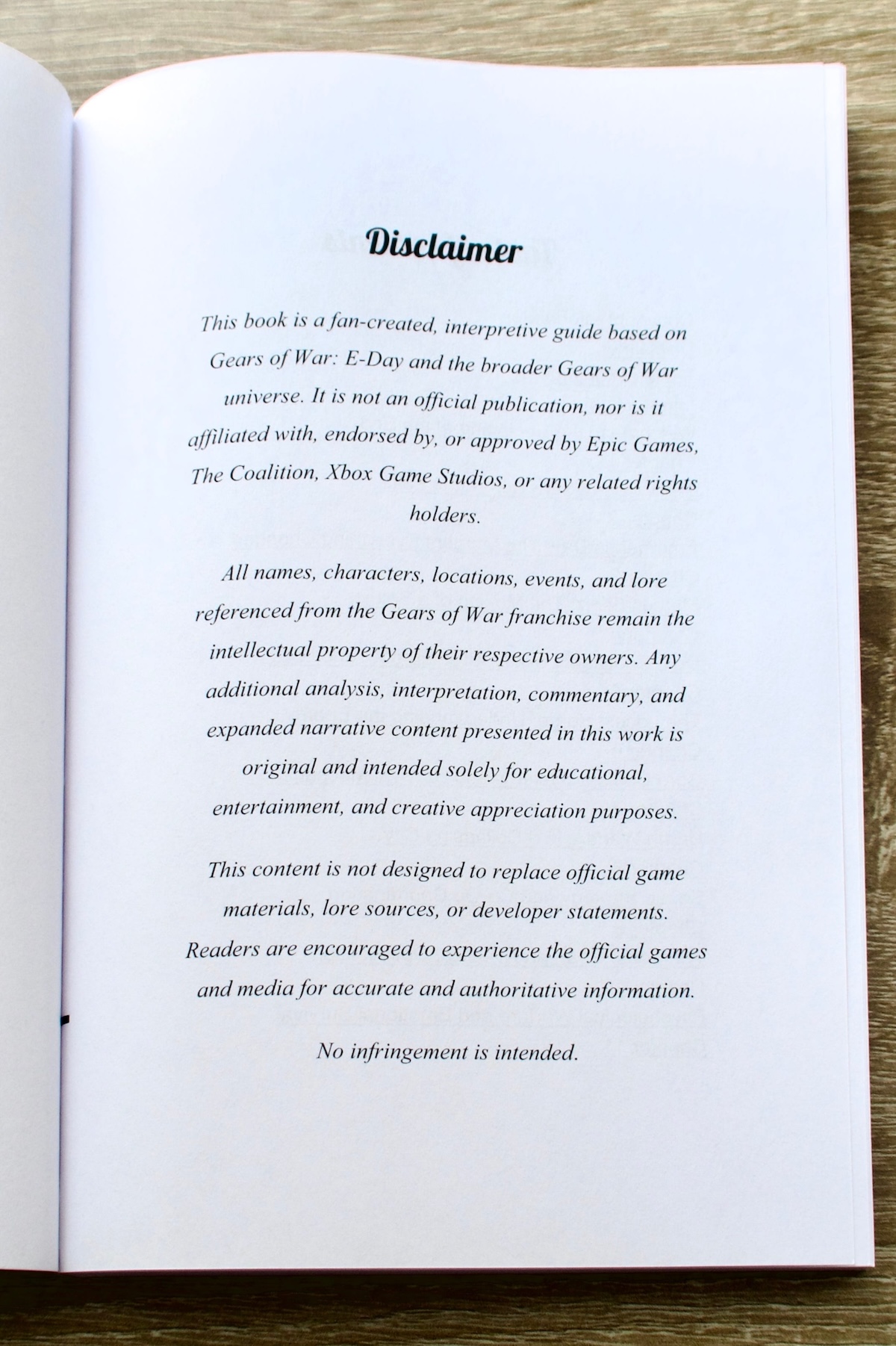
The digital and print publishing markets have encountered an unconventional wave of scams: full-scale strategy guides for video games that haven't even been released are appearing on Amazon. We are talking about highly anticipated titles such as Alien: Isolation 2, Control: Resonant, and Gears of War: E-Day. These publications aren't the work of industry experts or insiders, but are generated entirely by Large Language Models (LLMs) that synthesize both covers and text to mimic professional gaming literature.
The case of the Alien: Isolation 2 guide is particularly ironic. At the very beginning of the book's blurb, a technical instruction for the neural network was left intact—a prompt explicitly directing the AI to create a "high-efficiency Amazon-style description" to maximize emotional appeal and drive conversions. This exposes the crude mechanics of the operation: the creators didn't even bother to scrub the system commands, effectively turning a commercial product into a technical log of its own generation process.

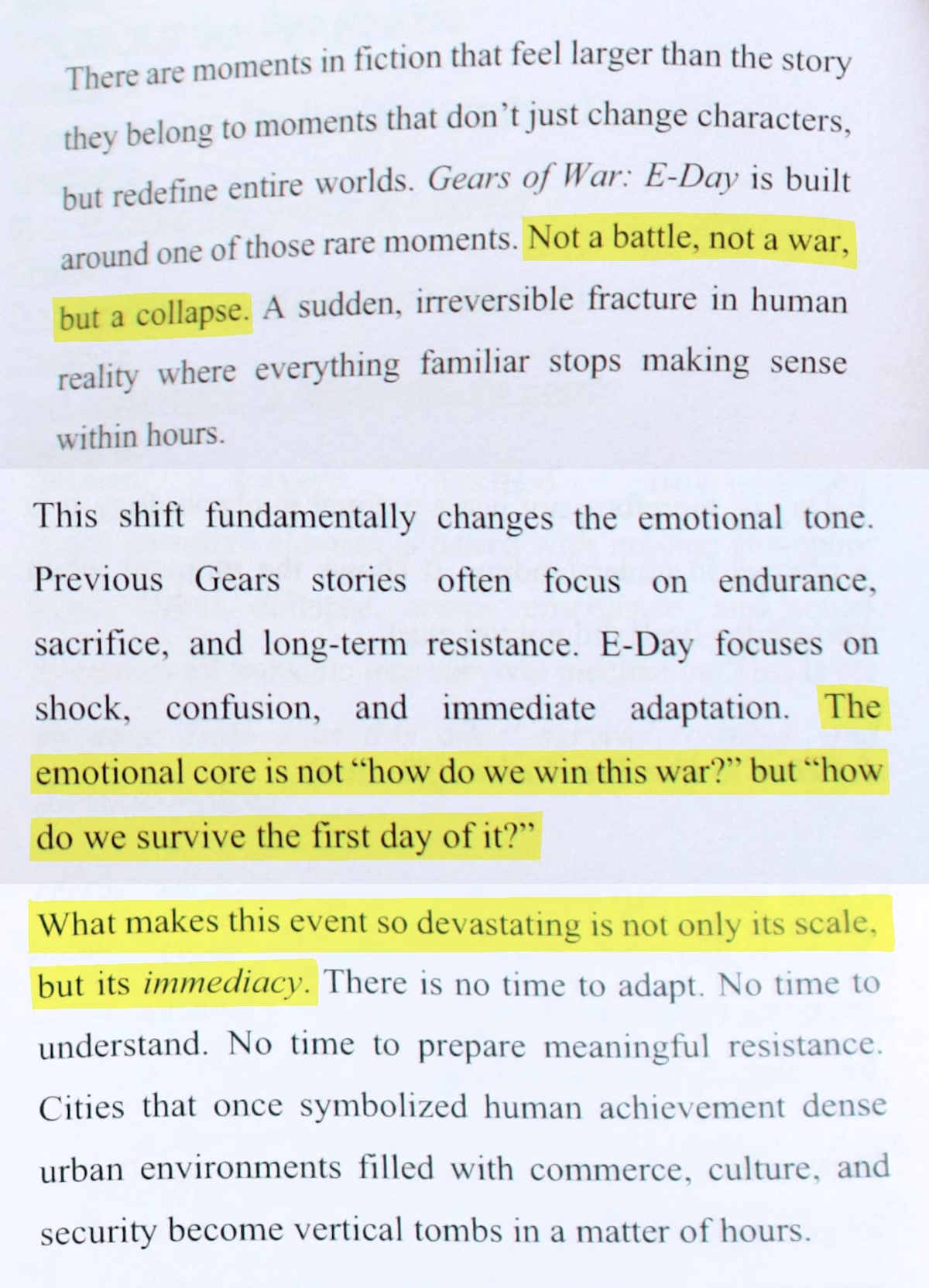
A deep dive into the content of these "books" reveals a hallmark pattern of modern LLMs: a propensity for hallucinations and shallow paraphrasing. For instance, a significant portion of the Gears of War: E-Day guide consists of repurposed Wikipedia articles about the series in general. When it comes to specifics regarding the new installment, the AI begins fabricating features that cannot possibly exist in the game, describing non-existent "survival mechanics" and "psychological warfare" systems.
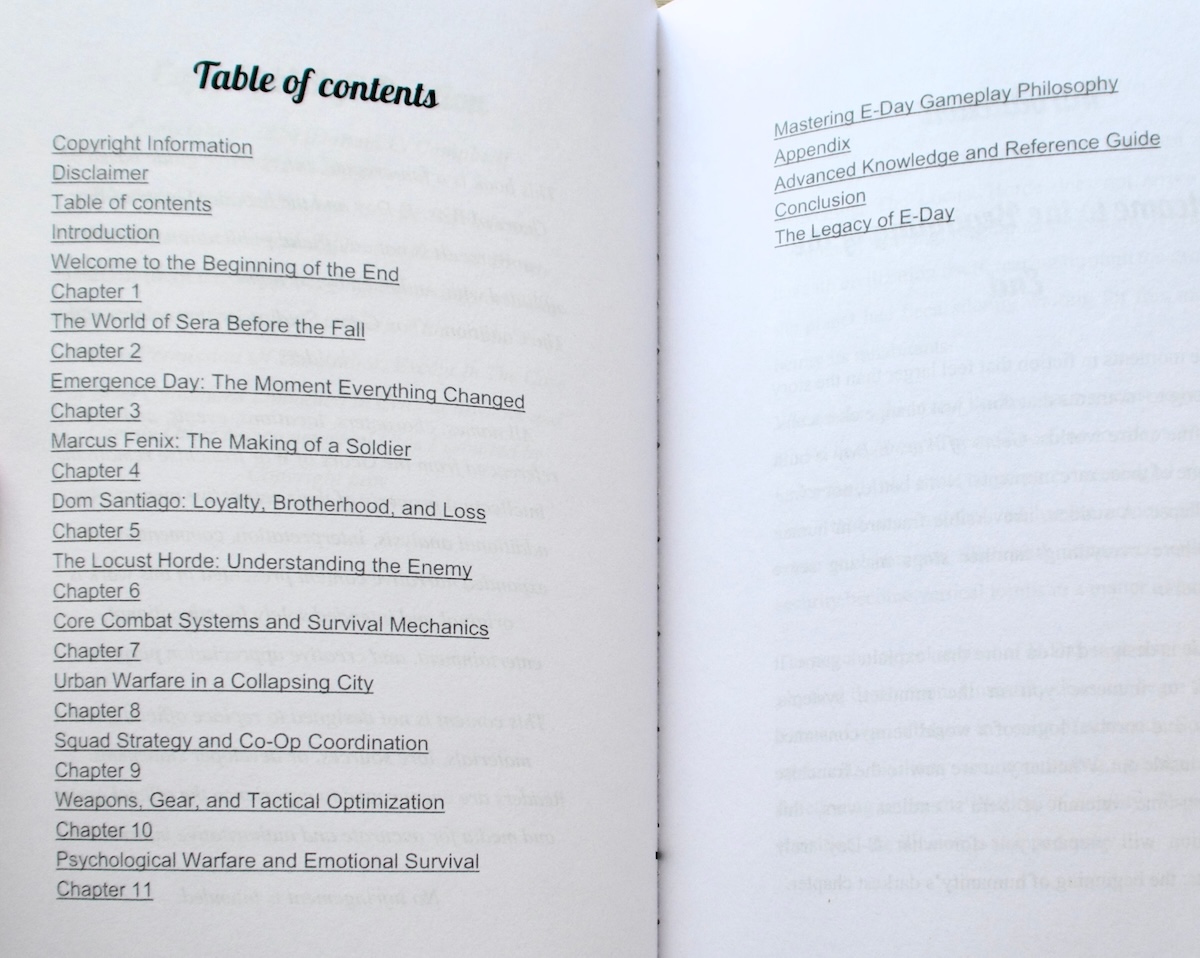
The production quality of these editions is equally abysmal. While formatted as novels, they lack fundamental typesetting standards: there are no page numbers, illustrations are entirely absent, and the table of contents consists of hyperlinks that frequently lead nowhere.

The situation is exacerbated by the AI's attempt to simulate technical documentation. One guide featured an entire chapter dedicated to system requirements—specs that have not been officially disclosed and were completely synthesized by the algorithm. Despite user reports and temporary removals by Amazon support, these products repeatedly reappear for sale, pointing to a systemic breakdown in content filtration pipelines.
It is worth noting that publishing guides prior to a game's launch is a legitimate practice; professional publications often receive early access to beta builds. However, the gulf between an authoritative preview and "AI slop" is colossal. While genuine guides are rooted in actual gameplay experience, these $20 Amazon products are mere exercises in plagiarism and fiction, preyed upon by gamers or parents attempting to buy a gift.

The problem isn't limited to upcoming releases. Similar synthetic guides for already-released titles, such as Lies of P or Star Fox, have also flooded the marketplace. This signals the emergence of a full-scale "content farm" industry where the marginal cost of production approaches zero, and the risk of being banned is minimal compared to the potential profit from unsuspecting buyers.
Experts believe that the proliferation of "AI slop" on Amazon is only in its early stages. Paradoxically, the e-commerce giant is aggressively investing in AI development, including multi-billion dollar deals with OpenAI and the rollout of its own assistant, Rufus. However, the aggressive integration of neural networks into the ecosystem without rigorous quality control over data is leading to a scenario where the platform is beginning to choke on its own synthetic noise.



 Anthropic’s Strategic Push for Hardware Independence