Modern global e-commerce logistics is an intricate mechanism where cutting-edge automation inevitably collides with the human element. Fulfillment errors frequently spark viral discourse, exposing systemic vulnerabilities within inventory management frameworks. A recent incident involving Amazon in Japan serves as a poignant case study in how a technical glitch can result in an unexpected windfall for a consumer. This episode raises fundamental questions regarding corporate ethics and the resilience of supply chains in the era of hyper-scale retail.
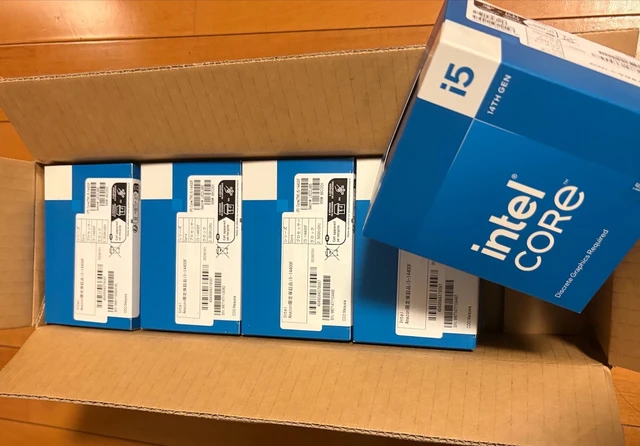
It all began with a routine order for an Intel processor that yielded an unexpected windfall for a Japanese customer. Instead of a single Core i5-14400, the buyer discovered five identical chips packed within one sealed box. Such anomalies frequently ignite heated debates across social media, as users attempt to reconstruct the chain of events leading to the blunder.
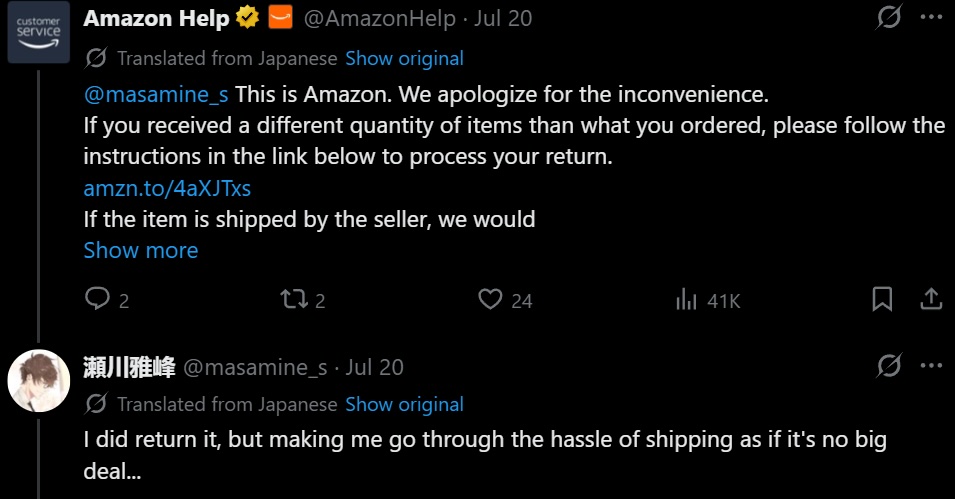
The most plausible explanation points to a scanning failure: a warehouse employee may have inadvertently scanned the barcode of an outer shipping container intended for wholesale batches, mistaking it for a single unit. While Amazon has not officially confirmed this theory, the operational logic of massive distribution centers makes this scenario nearly inevitable. In a display of remarkable integrity, the customer returned the four surplus processors, despite segments of the online community urging him to keep the components for resale.
From a technical standpoint, the Intel Core i5-14400 is a quintessential mid-range offering, leveraging a hybrid resource allocation architecture. Operating with a 65W TDP and designed for the LGA1700 socket, its computational power is driven by a combination of six high-performance P-cores and four efficiency E-cores, totaling 16 processing threads. With 20 MB of cache and P-core boost clocks reaching 4.7 GHz, this processor is tailored for balanced builds optimized for both productivity and gaming.
This incident is far from isolated. There have been previous instances where retailers exhibited excessive leniency or suffered gross accounting errors; for example, one customer received an RTX 5080 even after their order was canceled, and the company allowed them to keep the hardware without additional payment.
However, the flip side of interacting with major marketplaces is far less optimistic. The industry is rife with stories of high-end components being "swapped" for cheap or absurd substitutes. Instead of cutting-edge processors or GPUs, buyers occasionally receive packages containing modeling clay, pasta, stones, or household textiles. These stark contrasts underscore the volatility of modern logistics systems, where the line between an incredible stroke of luck and blatant fraud often depends on who exactly packed the order on the other side of the world.
 Energy Autonomy: The Extreme Edition