The visual technology sector has reached a tipping point where incremental improvements are yielding diminishing returns, paving the way for paradigm-shifting engineering breakthroughs. Today's display market is polarized between two distinct ambitions: the relentless pursuit of fluid motion for competitive esports and the drive toward total immersion via ultra-high-definition resolutions. The latest innovations from HKC demonstrate that we are still far from hitting the theoretical ceiling for both refresh rates and panel dimensions. By redefining how users interact with digital content, these solutions are pushing the boundaries of what is possible in visual rendering and display technology.
In the modern gaming industry, the quest for millisecond advantages has evolved beyond software optimization and into the realm of materials physics. The emergence of monitors with refresh rates exceeding 1000 Hz seems almost fantastical, yet this is precisely where the bleeding edge of technological development now lies. HKC intends to introduce a device supporting three operating modes and a record-breaking 1300 Hz refresh rate—effectively redefining the very concept of "fluidity." While the technical specifics of the panel remain proprietary, the mere existence of such hardware signals an industry-wide drive to eliminate any trace of screen tearing or input lag.
Parallel to this, the specialized esports segment is seeing its own evolution. The AntGamer ANT25ASF embodies a pragmatic approach to speed: by utilizing a Fast TN panel, it achieves a native refresh rate of 1000 Hz at Full HD resolution with a blistering response time of just 0.8ms (GtG). The choice of TN technology here is deliberate; despite narrower viewing angles compared to IPS or OLED, Fast TN delivers the instantaneous pixel response critical for competitive disciplines.
However, technological progress is not solely defined by velocity. In the high-fidelity visualization segment, the focus is shifting toward pixel density and backlight precision. The Apex 32U165VD, featuring a 31.4-inch diagonal, marries 4K resolution with RGB Mini LED technology. By employing hundreds of local dimming zones, it achieves deep blacks and striking contrast. Combined with dual refresh rate modes, this makes the device a versatile tool for both professional design and demanding gaming.
The most ambitious project is a gargantuan curved display boasting an 83.4-inch diagonal. With a resolution of 11,520 × 2,160 pixels—essentially the equivalent of three 4K panels merged into a single canvas—and a refresh rate of 60 Hz, this monitor prioritizes scale and immersion over raw dynamics. The 1000R curvature radius is no accident; this geometry closely aligns with the natural human field of vision, reducing eye strain across the massive screen real estate and creating a total sense of immersion within the workspace or gaming environment.
Completing the picture is the expansion of ultra-wideform solutions. The arrival of panels with diagonals of 39.7, 43.8, and even 57.1 inches signals a global shift away from multi-monitor configurations in favor of a single, seamless workspace. This movement toward maximum coverage and absolute clarity confirms that the future of displays lies in the synergy of extreme specifications: where a single screen can be simultaneously ultra-fast for gaming and infinitely wide for productivity.

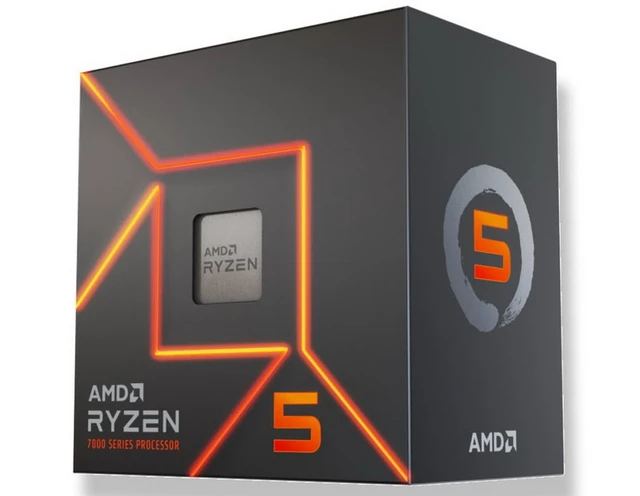 AMD’s Strategic Approach to the Budget Segment