The gaming industry's migration from physical media to digital services represents more than a mere technical evolution; it is a fundamental shift in the very notion of ownership. For years, consumers operated under the assumption that purchasing a game from a digital storefront meant acquiring an asset. The reality, however, has proven far more stark. Recent moves by Sony have laid bare a systemic conflict between consumer expectations and the rigid legalities of license agreements. We are now faced with a critical question: what, if anything, does the gamer actually own once the transaction is complete?
The trust deficit between gamers and tech giants has reached a breaking point as Sony systematically phases out physical media for the PlayStation. This move has acted as a catalyst for a broader debate on the nature of digital ownership, highlighting the fundamental divide between purchasing a product and merely acquiring the right to use it.
The tension peaked in August when the company began distributing updated Terms of Service and End User License Agreements (EULAs). These documents explicitly state that platform software is not sold, but licensed. Legally, this means the user does not own a copy of the game; they are merely renting access under terms that the corporation can unilaterally alter. While such practices have long been the norm for digital storefronts, the abandonment of optical media has lent this phrasing an ominous quality.
The community's response was swift, with some users launching boycotts of the PlayStation Store and PlayStation Plus. However, the efficacy of such protests remains questionable. Given Sony's market dominance and the lack of viable alternatives, consumer influence on corporate strategy is marginal. Sony's leadership remains steadfast in its transition to a fully digital format, confident that the industry's future lies beyond physical media. Even European Union regulators, typically the vanguard of consumer rights, have effectively conceded their impotence in the face of the current legal paradigm.
The paradox of the situation is that the meteoric rise in digital sales has masked the erosion of the critical advantages inherent in physical ownership. A disc is more than just a data carrier; it is an asset that can be transferred, sold, or traded. The secondary market allows gamers to save significantly—sometimes reducing costs by up to 90%—a possibility that is entirely extinguished within closed digital ecosystems.
Currently, the industry is exhibiting divergent strategies. While Xbox is likely to follow Sony's lead, Nintendo continues to support physical releases, granting users a degree of autonomy. This schism underscores a global trend: the industry is striving for absolute control over content, transforming the user from an owner into a subscriber whose library exists only as long as the provider's servers remain online.
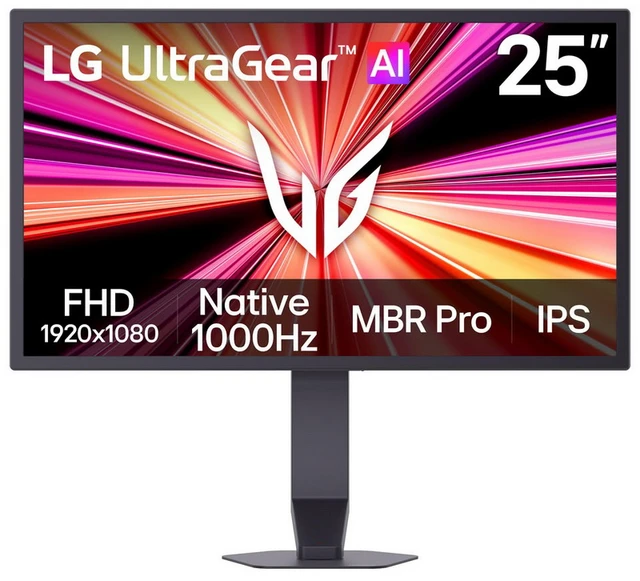 The Speed Frontier: LG UltraGear 25G590B