The gaming industry stands on the precipice of its next great technological leap, poised for the arrival of the next generation of consoles from Sony and Microsoft. However, the global AI explosion has triggered an unforeseen semiconductor shortage, disrupting traditional hardware refresh cycles. With memory costs skyrocketing, the development of the PlayStation 6 has evolved into a formidable economic challenge. The central issue is no longer merely a matter of raw computational power, but of ensuring the hardware remains physically accessible and affordable for the mass market.
The timeline for the next generation of gaming consoles has fallen into a state of flux. Sony CEO Hiroki Totoki has openly admitted that the company has yet to establish a definitive launch date for the PlayStation 6. While insiders and analysts have long been painting detailed portraits of the upcoming hardware, reality has collided with harsh market headwinds.
The primary catalyst for this instability is the explosive surge in demand for high-performance memory. Data centers powering artificial intelligence systems are consuming colossal volumes of RAM, triggering a fivefold increase in prices since 2025. In this climate, Sony and Microsoft find themselves at the mercy of the component supply chain; the cost of hardware for new systems is rapidly approaching the psychological threshold of $1,000, threatening the product's mass-market viability.
Previously, 2027 was viewed as the synchronized refresh point for the industry. These timelines were supported by AMD, which signaled its readiness for the mass production of chips for the next Xbox, and by Microsoft, which cited similar dates in its delivery schedules for developer kits. However, the current memory crisis is forcing a strategic pivot. Experts remain divided: some anticipate market stabilization by 2028, while others predict persistent shortages and price volatility well into the next decade.
The technical blueprint of these future devices is already beginning to emerge. The foundation is expected to be a synergy of AMD Zen 6 CPUs, RDNA 5 graphics solutions, and GDDR7 memory. Such a specification would enable a quantum leap in ray tracing and path tracing capabilities. Furthermore, the deep integration of AI-driven upscaling will not only enhance image clarity but also optimize file sizes—a critical necessity given the ballooning scale of modern game assets.
Parallel to its primary flagship, Sony is exploring the possibility of releasing a handheld device based on the same hardware architecture, which would significantly expand the brand's ecosystem. Meanwhile, its rival in Redmond is likely to focus on an even tighter integration of Xbox Helix with the PC platform, further eroding the boundaries between console and computer gaming. Consequently, the battle for market dominance has shifted from the realm of pure marketing to the strategic management of supply chains and the fight for every gigabyte of expensive memory.

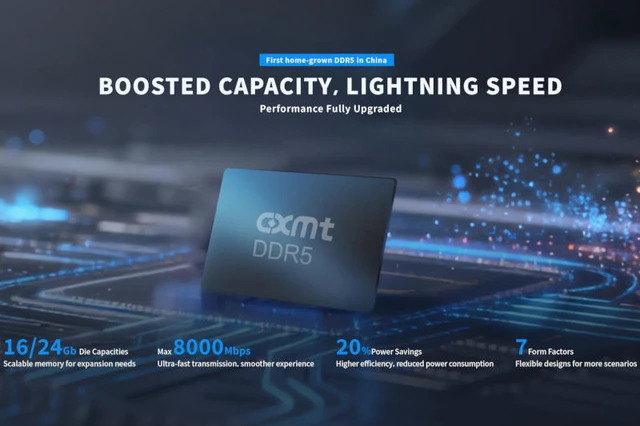 The Price of Acceleration: CXMT’s Rapid Push into Memory