Modern photography has long since ceased to be the exclusive domain of high-end equipment and cumbersome studios. For nearly two decades, the iPhone Photography Awards have chronicled this tectonic shift, elevating the smartphone into a legitimate medium for artistic expression. The 2026 results reaffirm a fundamental truth: the primary tool remains human perception and the innate ability to capture the decisive moment. With participants spanning hundreds of countries, the competition underscores the universality of the visual language defining our mobile era.
In an era where every smartphone user wields the power of a mid-century professional studio, the true measure of mastery is no longer sensor resolution, but the ability to discern the extraordinary within the mundane. The iPhone Photography Awards—one of the oldest and most prestigious competitions in its field—has been showcasing photographers from over 140 countries since 2007, proving that technical perfection is secondary to artistic intent.
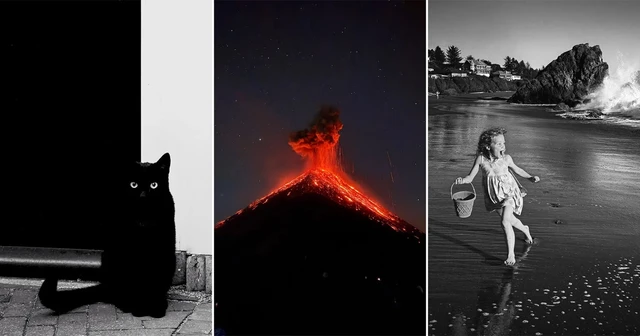
The standout triumph of 2026 was Robin Jensen, whose capture of the Yepocapa volcano eruption in Guatemala earned a well-deserved Grand Prix. This image serves as a technical tour de force for modern computational photography. Utilizing an iPhone 15 Pro, Jensen managed to tame the elements with a one-second exposure at ISO 12500. This sophisticated interplay of long exposure and high sensitivity captured the raw dynamics of molten lava, transforming natural chaos into a structured visual narrative.

The distribution of top honors highlights a remarkable range of hardware: from time-tested legacy models to the latest flagships. The Gold Medal was claimed by Gellert Gombay, who utilized an iPhone X. The fact that a device from several generations ago could prevail in the highest category serves as a powerful argument that composition and light far outweigh teraflops and megapixel counts. His work, captured with a fast shutter speed of 1/1500 second and minimal ISO, demonstrates flawless mastery over lighting.

The Silver Medal went to Arnold Plotnik, who leveraged the capabilities of the iPhone 16 Pro. His approach strikes a precise balance between technical accuracy and the aesthetics of the moment, resulting in a deep, multi-layered image.
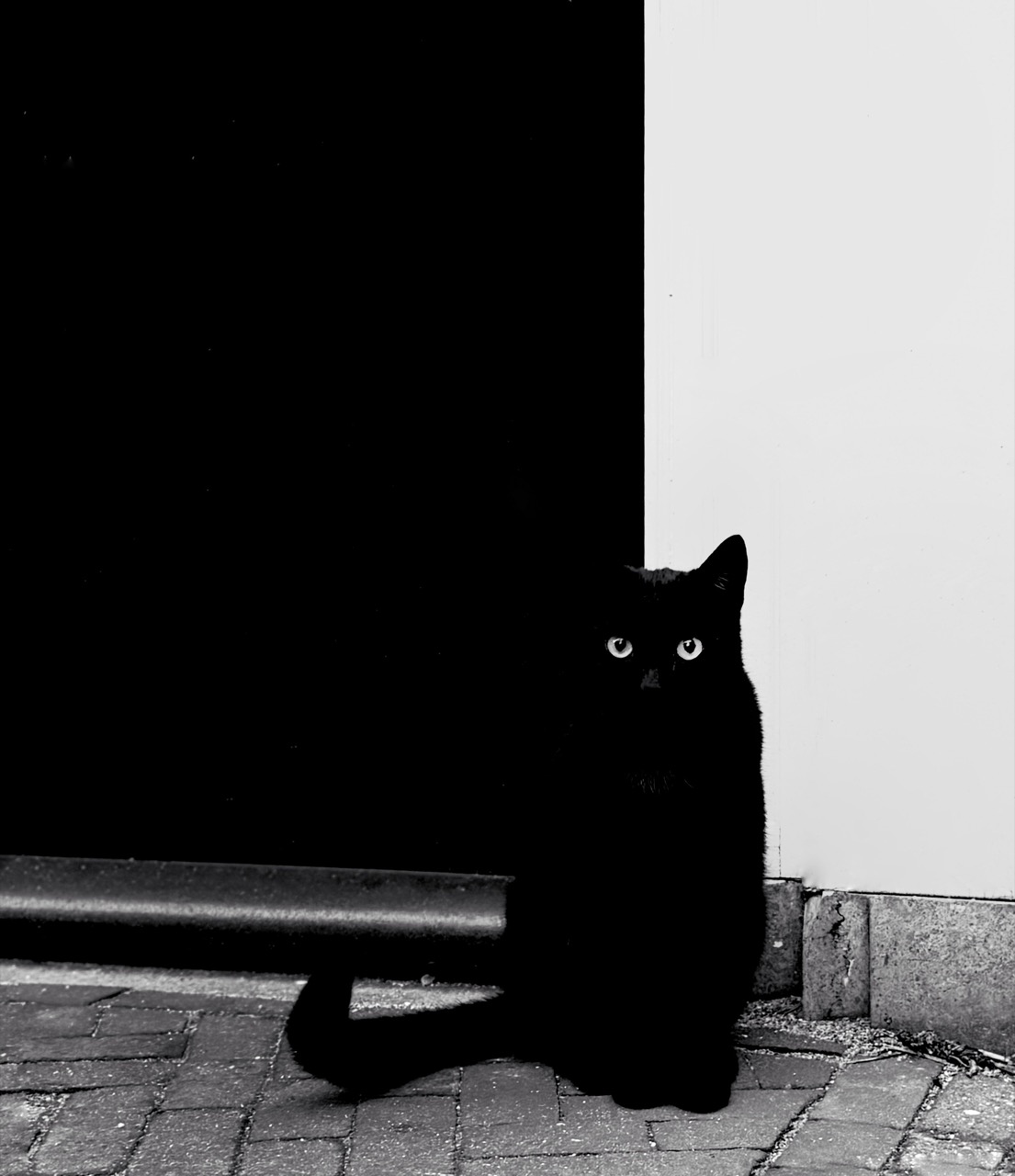
Rounding out the podium is Catherine Wang, recipient of the Bronze award. Using the fully-specced iPhone 16 Pro Max, she demonstrated how the device's cutting-edge optical capabilities can be integrated into a minimalist and evocative visual style.

Analyzing the overarching trends of the competition, it is evident that the spectrum of work has expanded from rigid geometry and urban landscapes to profound psychological portraiture and abstraction. The organizers emphasize that success in mobile photography today depends not on the cost of the equipment, but on the artist's attentiveness to the details of the surrounding world. This evolves the smartphone from a mere tool for documentation into a comprehensive instrument for exploring reality, where the only remaining limitation is the photographer's imagination.
 The Evolution of Apple's Augmented Reality Ecosystem