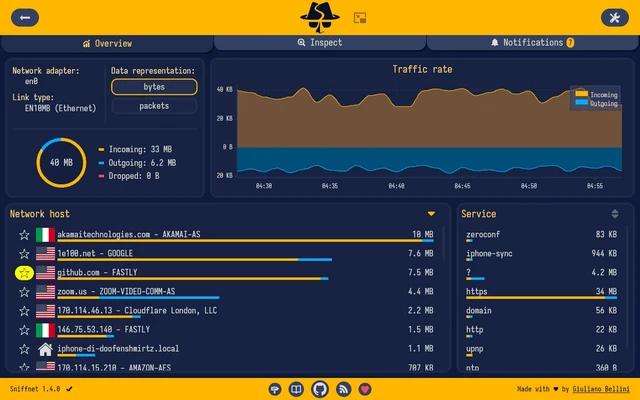
For years, network monitoring remained the exclusive domain of system administrators and security specialists, who were often burdened by cumbersome software with steep learning curves. The current trend toward the democratization of technical tools is driving the emergence of solutions that seamlessly blend deep analytics with intuitive interfaces. Sniffnet has emerged as a prime example of this philosophy, striving to make traffic inspection accessible and transparent for a broader range of users. The latest update, version 1.5.1, reinforces this trajectory by prioritizing data precision and cross-platform stability.
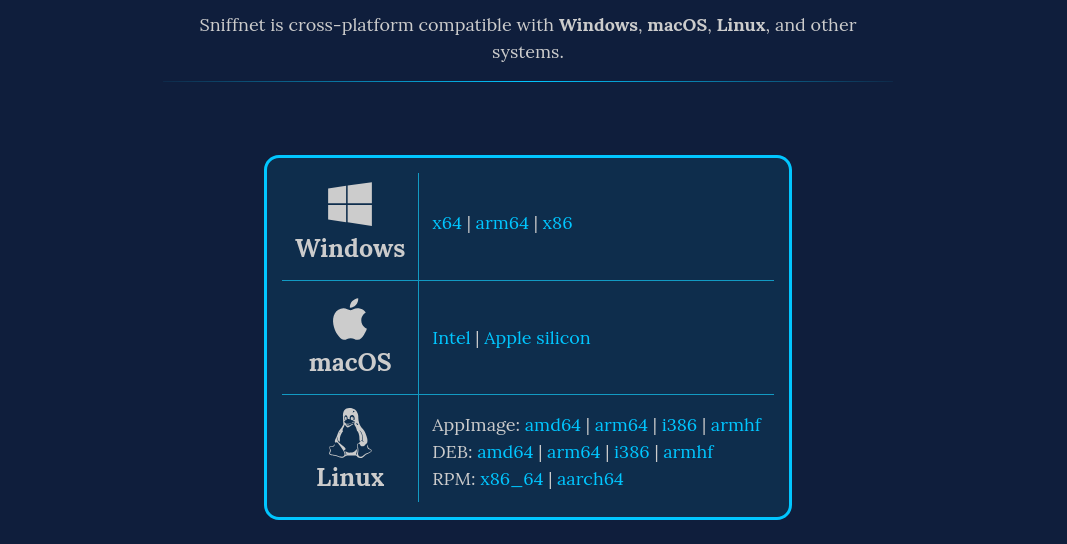
In today's software development landscape, the choice of programming language is a strategic decision that dictates not only performance but also product reliability. Sniffnet is built entirely in Rust, ensuring exceptional memory efficiency and high-speed, real-time packet processing. This tech stack allows the tool to remain lightweight while maintaining the capacity for deep analysis of network events across Windows, Linux, and macOS.
The project's philosophy is rooted in a departure from traditional traffic analyzers. While legacy tools are often bloated with redundant details and require steep learning curves, Sniffnet prioritizes visual clarity and intuitive interaction. This shifts network monitoring from a complex engineering hurdle into a transparent process of observing data flows.
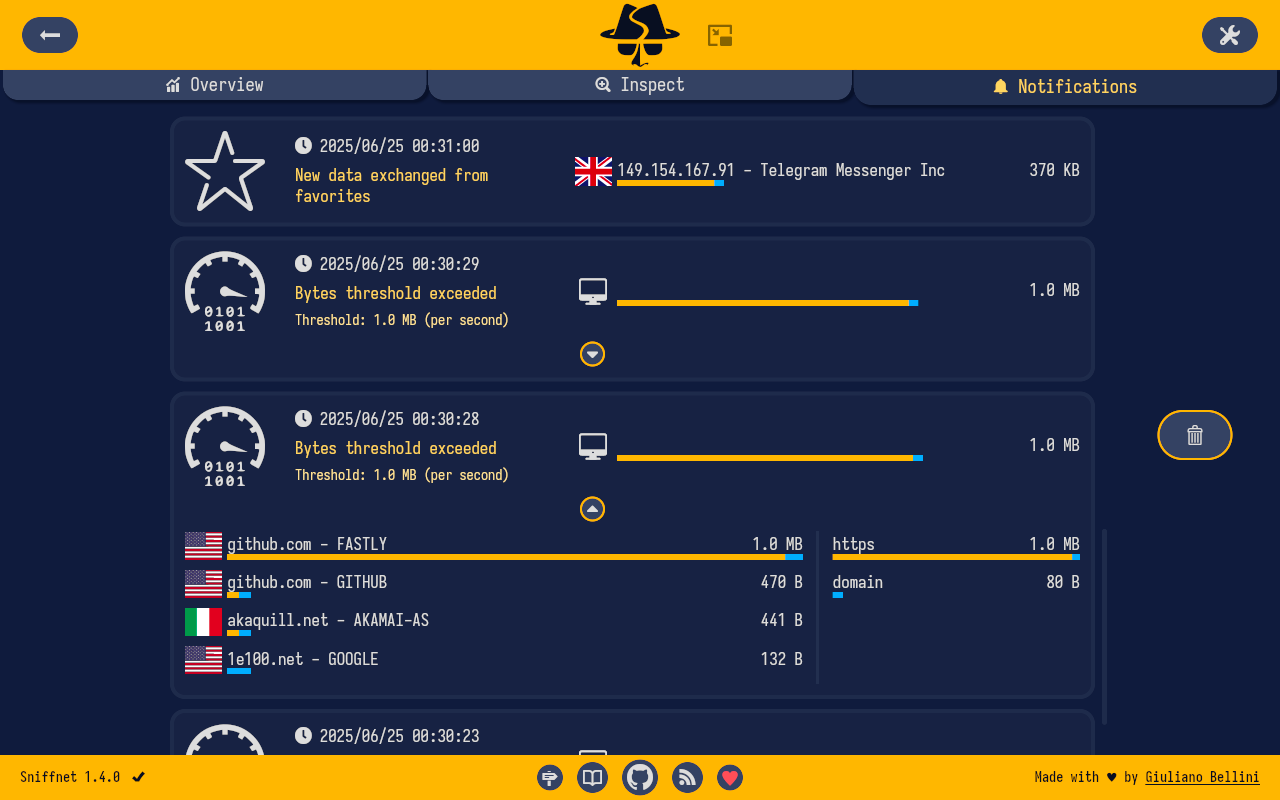
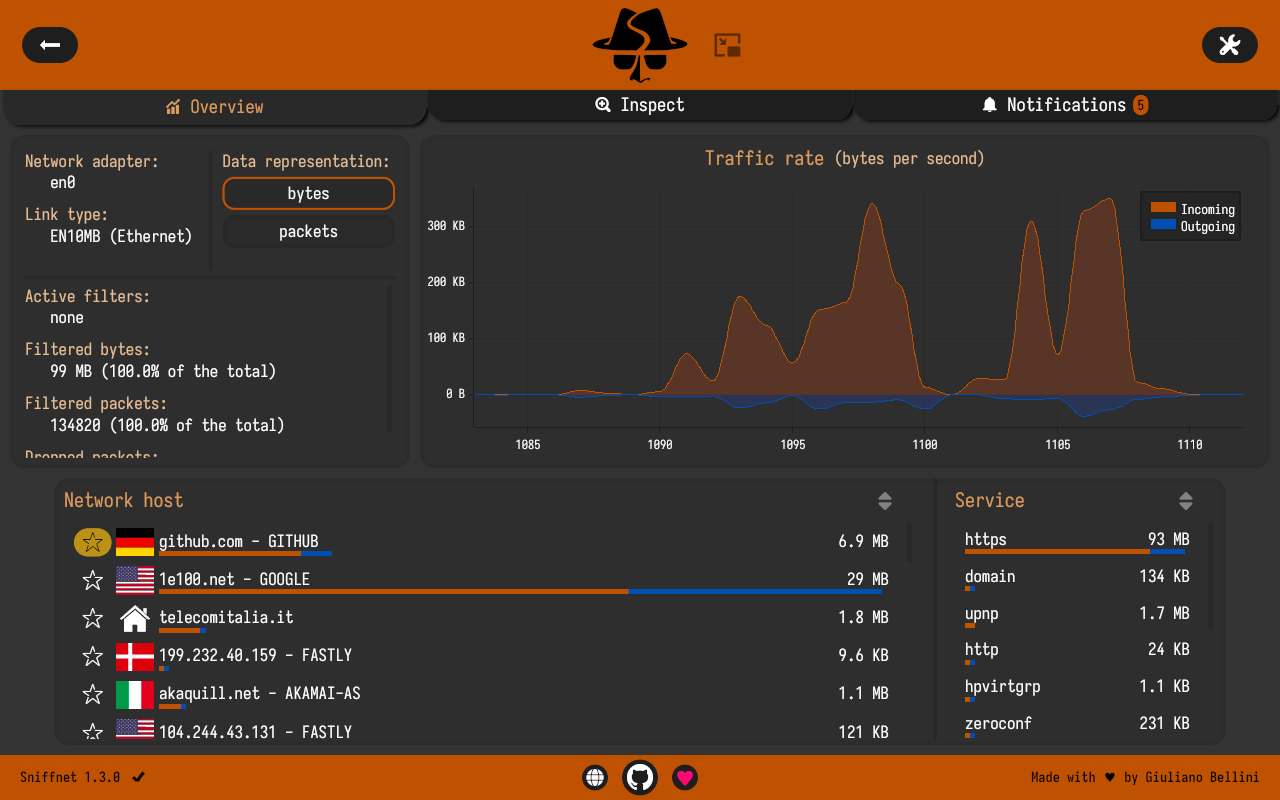
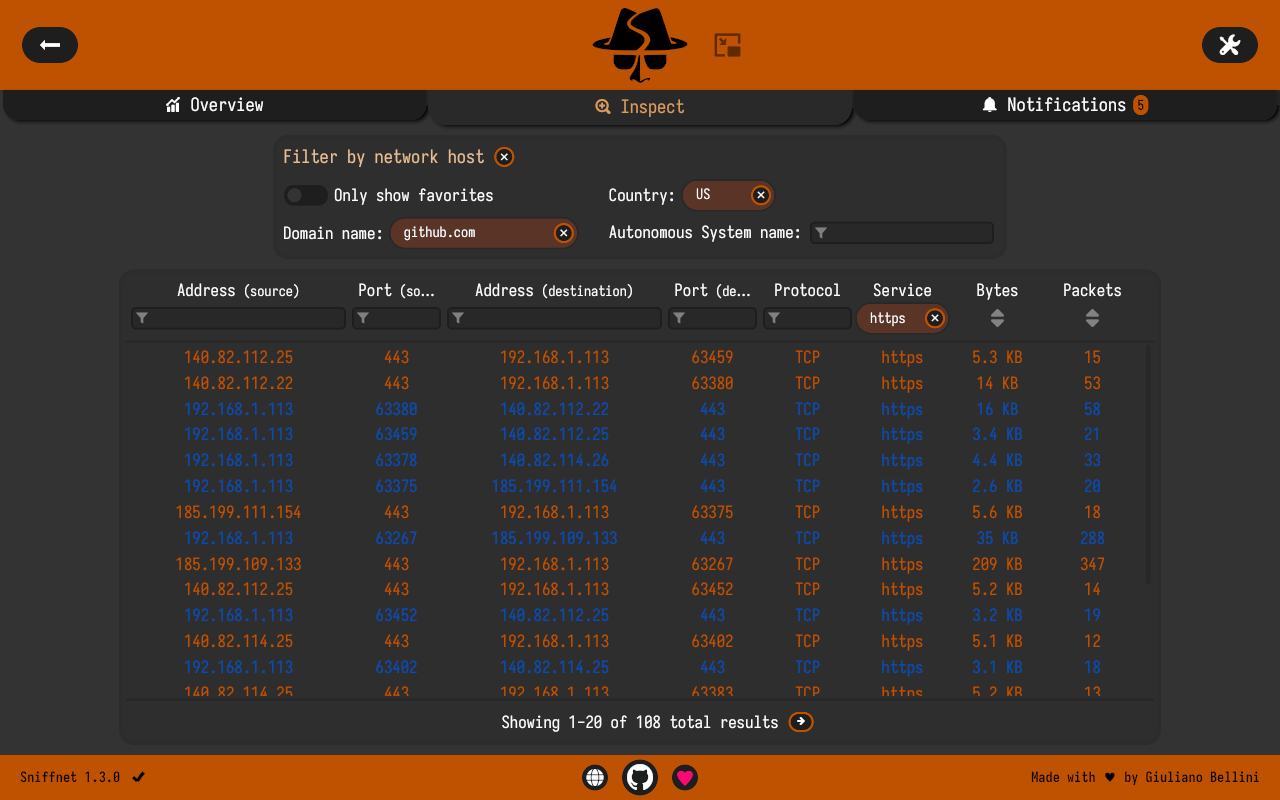
The product's evolution reflects a steady upward trajectory: moving from the stable v1.3.0 release in early 2024 through various iterations in 2025 to its current state. Each update has expanded its functional foundation, evolving the utility from a simple observer into a comprehensive diagnostic tool.
Version 1.5.1 introduces several critical enhancements that significantly broaden the user's analytical capabilities. Among the most pivotal additions is the display of connection latency. In the context of network analysis, this metric is essential for diagnosing application performance issues and identifying infrastructure bottlenecks.
Simultaneously, the IP blacklist management system has been overhauled. The tool now supports CIDR (Classless Inter-Domain Routing) ranges, enabling the efficient blocking or tracking of entire subnets rather than just individual nodes. To streamline administration, a counter for total imported addresses and ranges has been added, providing better oversight of filtration scales.
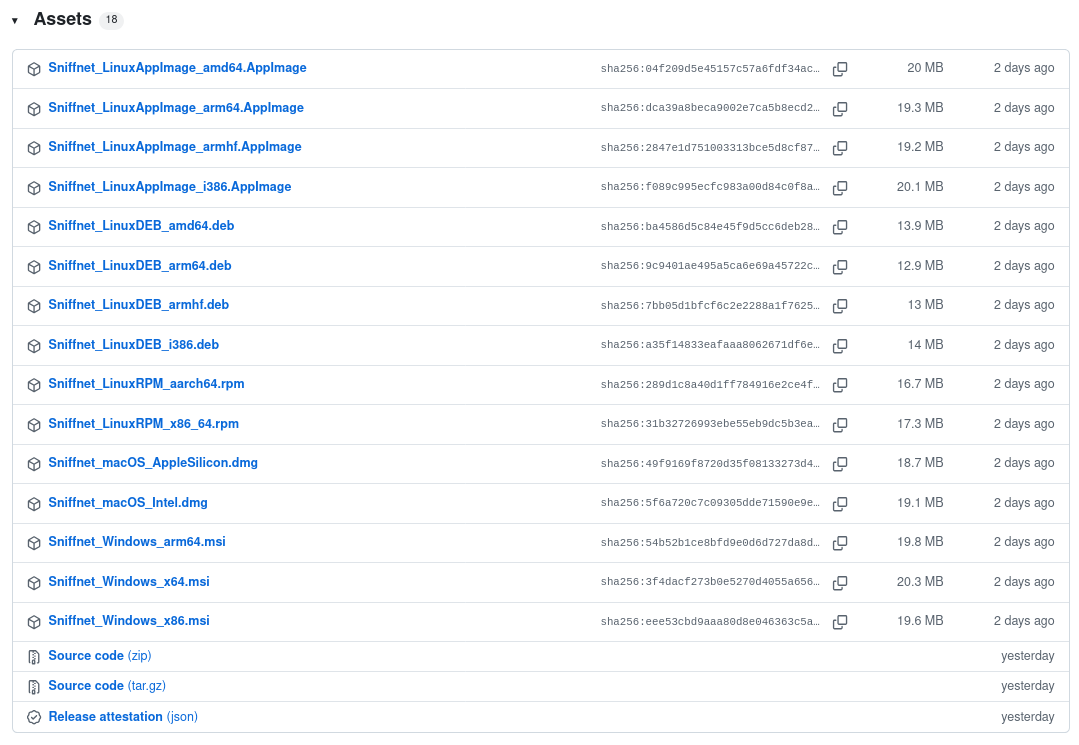
The developers have paid particular attention to stability within Linux environments. Resolving compatibility issues with glibc versions older than 2.39 ensures the application can run on legacy distributions—a critical requirement for systems with conservative update cycles. Additionally, AppImage metadata has been corrected and .desktop files optimized, ensuring a seamless integration into the Linux desktop environment.
Rounding out the update are UI refinements, including fixes for hidden host displays in thumbnail mode, and updated documentation. Collectively, these improvements render Sniffnet a more mature tool that preserves its core value proposition: making professional-grade network analysis accessible to every user.
 Project Zenith: The Uncompromising Development Environment