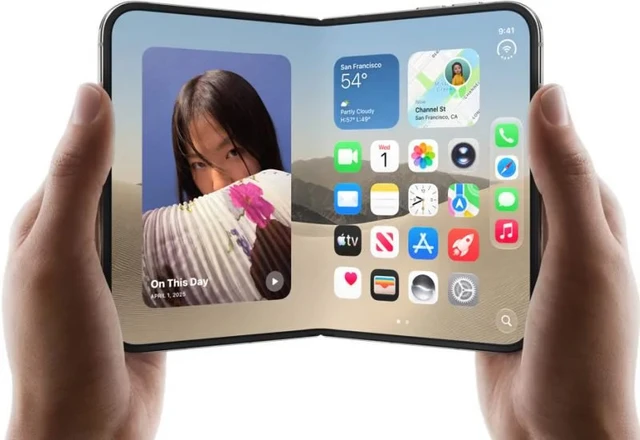
The foldable device market is demanding a fundamental reimagining of traditional user interface interactions. Apple, driven by its pursuit of perfection in every detail, encountered a formidable engineering hurdle while developing a specialized input tool for the anticipated iPhone Duo. The ambition to implement a proprietary, compact stylus ultimately collided with insurmountable technical obstacles during the transition to mass production. Consequently, the company has been forced to pivot its accessory strategy, opting instead for the pragmatic integration of existing solutions.
Engineering a foldable smartphone is an eternal tug-of-war between aesthetic ambition and the physical constraints of materials. For the iPhone Duo, Apple initially envisioned a bespoke, shortened stylus designed to integrate seamlessly into the chassis, docking directly within the hinge mechanism. Such an approach would have provided users with a tool that is always within reach without cluttering the device's footprint, maintaining the brand's signature minimalist philosophy.
However, the leap from prototype to mass production exposed critical vulnerabilities. The technical hurdles of reconciling a compact form factor with stringent power efficiency and mounting reliability proved insurmountable. Consequently, the ambitious project to create a unique pen was scrapped in favor of adapting the standard USB-C Apple Pencil.
While seemingly a simple pivot, this maneuver places a significant burden on the software engineering team. The device was not originally architected for full stylus support via a USB-C interface, transforming the integration into a complex optimization challenge. This is not merely a matter of enabling a feature, but of developing a comprehensive software stack to ensure ultra-low input latency, precise touch recognition, and seamless interaction with the foldable display's unique interface.
Beyond the software, the root cause of these complications remains a subject of debate. Industry insiders suggest the issue may have extended beyond the stylus itself to the magnetic charging architecture within the iPhone Duo's chassis. The intricate folding mechanisms create significant spatial constraints for wireless charging coils and magnets, potentially rendering stable power delivery for a compact accessory impossible.
As a result, full Apple Pencil support for the new device is not expected until late 2026. This window is essential for rigorous internal testing and OS refinement to ensure the user experience aligns with the brand's exacting standards. Ultimately, Apple is opting for an incremental rollout, sacrificing accessory exclusivity in favor of the overall stability and reliability of the ecosystem.
 Realme 16 Pro: Magic Manifested