In an age of ubiquitous digital surveillance, the line separating private data from the public domain has grown perilously thin. Achieving absolute anonymity requires more than a mere collection of tools; it demands a fundamental reimagining of how an operating system interacts with the network. Whonix tackles this challenge through a radical decoupling of the workstation environment from the network gateway, effectively neutralizing data leaks at the kernel level. The latest release, version 18.2, advances this mission by hardening security mechanisms and optimizing the core security layer.
Whonix is predicated on the principle of deep isolation, where security is ensured not merely through software filters, but via a fundamental structural separation of the system. While based on Debian GNU/Linux, the distribution transforms the OS to guarantee anonymity through the Tor network. The entire project is open-source under the GPLv3 license, allowing the community to verify every implementation detail regarding the protection of private information.
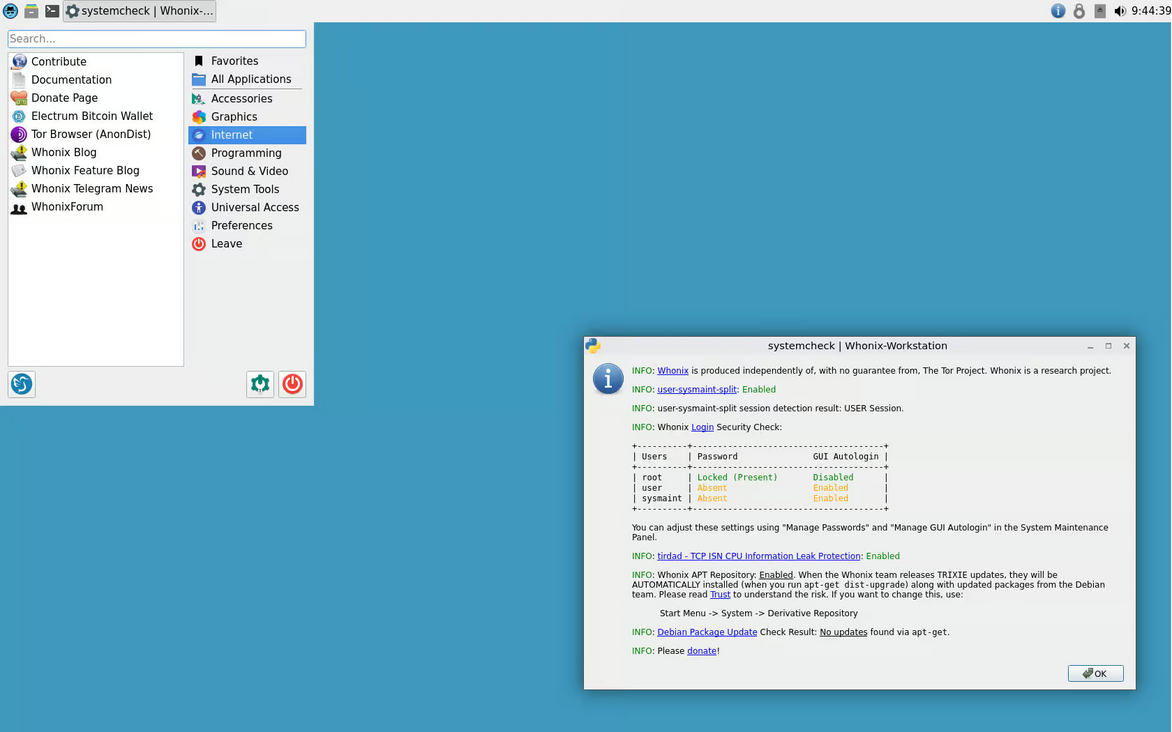
The technical architecture of Whonix relies on two independent components running in separate virtual machines. The first, Whonix-Gateway, serves as a specialized network gateway. The second, Whonix-Workstation, provides a full-fledged working environment with a graphical user interface. Crucially, the Workstation has no direct access to the external network; all its traffic is forcibly routed through the Gateway.
This approach creates an impenetrable barrier for any attacker. Even if an adversary gains root access to the workstation or exploits a critical browser vulnerability, they are met with spoofed network addresses. The user's real IP address and DNS parameters remain hidden behind the gateway boundary, making the leakage of actual coordinates virtually impossible at the network configuration level.
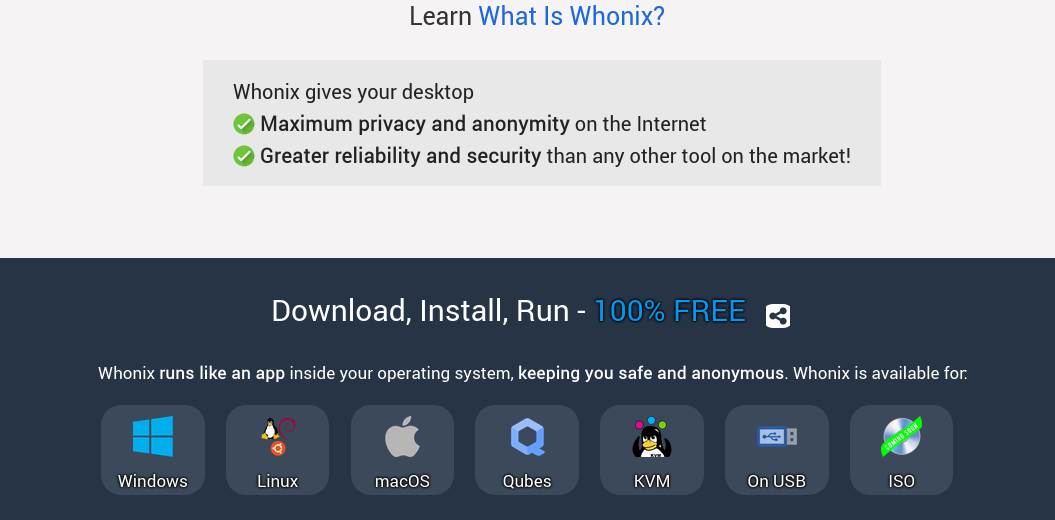
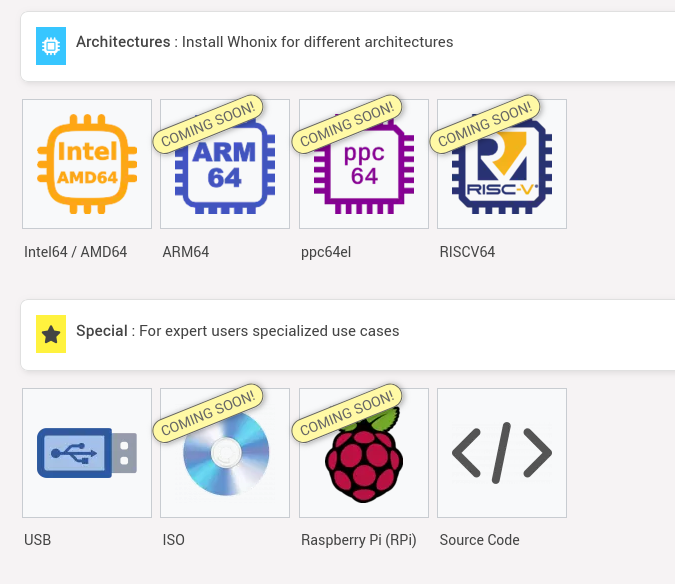
For deployment, the system provides images in .ova format for VirtualBox and .qcow2 for KVM, offering both full-featured versions with the LXQt shell and lightweight console variants. However, the developers warn of the risks associated with 0-day vulnerabilities within the hypervisors themselves, which could potentially allow an attacker to "escape" the virtual machine into the host system. To mitigate this risk, it is recommended to run the Gateway and Workstation on separate physical devices.
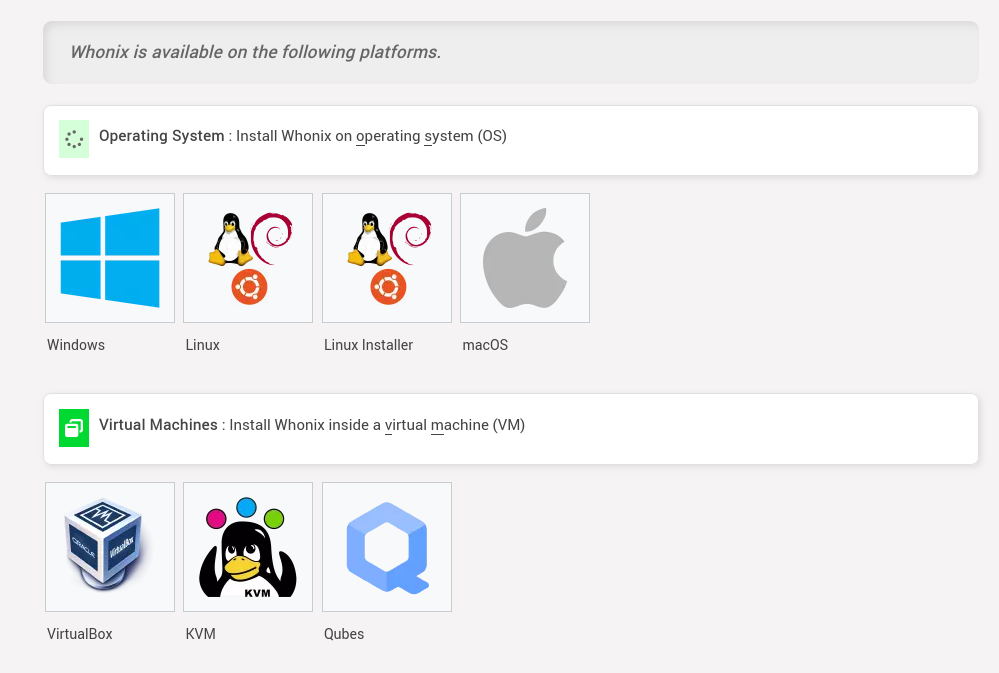
The functional toolkit of Whonix-Workstation is tailored for everyday private productivity, coming pre-installed with Xfce, Tor Browser, Pidgin, and VLC. Simultaneously, Whonix-Gateway evolves into a powerful tool for hosting Tor hidden services, equipped with Apache httpd, nginx, and IRC servers. The system flexibly supports the construction of complex tunnels over Tor for integration with Freenet, i2p, or VPNs, and can even act as an anonymity gateway for third-party systems, including Windows.
The foundation of the entire ecosystem is Kicksecure—a specialized hardened distribution that extends Debian's capabilities. It integrates AppArmor mechanisms for process isolation, PAM tally2 modules to thwart brute-force password attacks, and recommendations from the KSPP (Kernel Self Protection Project) to reinforce the kernel. Particular emphasis is placed on random number generator (RNG) entropy, the disabling of suid bits, and the comprehensive blocking of open ports by default.
Version 18.2 introduces several significant technological updates aimed at modernizing cryptography and combating behavioral analysis. A key upgrade is the transition from GnuPG to Sequoia-PGP—a modern OpenPGP implementation written in Rust, which substantially enhances memory safety. In parallel, the Kloak package has been improved to counter user identification based on unique keystroke rhythms and mouse movements (biometric profiling).
Furthermore, this release optimizes performance for Apple Silicon architecture and introduces support for qemu:///session, enabling the execution of virtual machines without superuser privileges. An internal security audit, which has now progressed to an external analysis phase, underscores the project's commitment to maximum transparency and resilience against modern cyber threats.

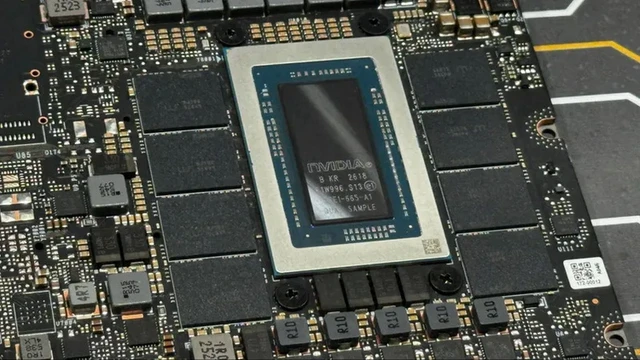 Nvidia N1X and the New Era of Arm PCs