Amid a global overhaul of its pricing strategy, Apple is exploring new avenues to maintain user retention within its ecosystem. The steep price hikes for new hardware have inevitably raised the barrier to entry for first-time buyers and students. In response, Apple is expanding its certified refurbished lineup, reintroducing the budget-friendly MacBook Neo to the market. This strategic maneuver allows the brand to sustain loyalty across the mass market without compromising the premium valuation of its flagship devices.
Apple’s market strategy has traditionally centered on maintaining premium brand equity and exercising stringent control over product pricing. However, a recent sharp price increase across a significant portion of its lineup has left a noticeable void in the entry-level segment. To mitigate this effect and provide an alternative for those unwilling to pay a premium for the latest iterations, the company has integrated refurbished MacBook Neo models into its official store.
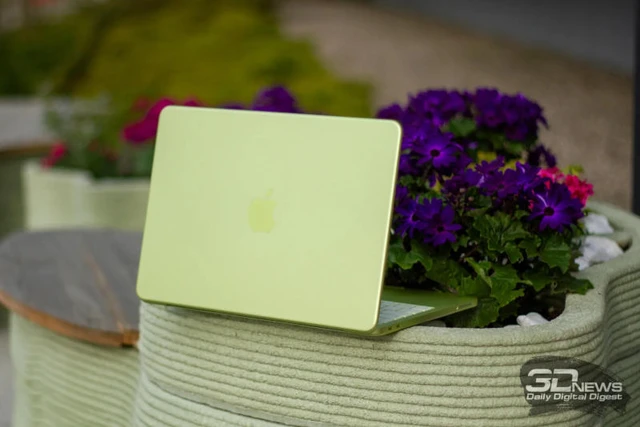
This initiative appears to be a calculated strategic pivot: Apple is granting access to its technology at price points that were standard prior to the latest hikes. The base MacBook Neo configuration, equipped with a 256GB drive, is now available for $599. For users requiring more headroom and enhanced security, a 512GB SSD variant featuring an integrated Touch ID scanner is priced at $679. The aesthetic versatility remains intact, with devices available in all signature hues—ranging from the understated Silver to the more eclectic Pink, Citrus, and Indigo.
Apple’s Certified Refurbished program is far more than a mere resale of pre-owned hardware; it is a comprehensive industrial refurbishment pipeline. Every MacBook Neo undergoes a rigorous preparation process, including deep component diagnostics and the replacement of worn parts. The result is a product that is virtually indistinguishable from a new unit in terms of performance benchmarks. To ensure quality assurance, Apple provides a standard one-year warranty, a 14-day return window, and the option to purchase an extended AppleCare service package.
There are, however, distinct boundaries that separate the refurbished segment from the full premium retail experience. Specifically, Apple has stripped away personalization options: custom engraving and gift wrapping are unavailable for these units. The packaging remains utilitarian and focused: the box contains the laptop, a USB-C charging cable, and a 20W power adapter.
From a strategic business perspective, the introduction of the MacBook Neo to the refurbished section addresses several objectives simultaneously. First, it facilitates the liquidation of excess inventory and the processing of returns, aligning with the global agenda of sustainability and circular economy principles. Second, it allows Apple to maintain ecosystem lock-in by offering a low-friction entry point, while the bulk of its margins continue to be driven by high-ticket flagship lines.
It is worth noting that the availability of refurbished devices in the Apple Store is highly fluid, contingent upon the current volume of returns. The exact stock levels of the MacBook Neo are not disclosed, creating a sense of scarcity that drives consumer urgency and accelerates the sales cycle.
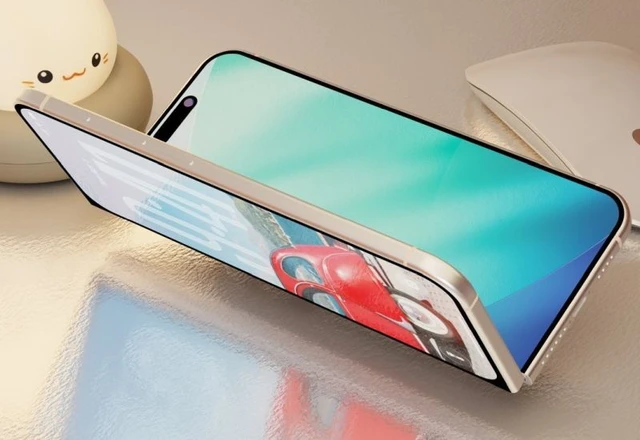 The Phenomenon of the Foldable iPhone Ultra