The global struggle against the "walled gardens" of Big Tech is entering a decisive new chapter in the United Kingdom. For years, Apple and Google have maintained an iron grip on digital transactions, leveraging their dominance to extract substantial commissions from developer revenues. Now, British regulators are moving to dismantle these barriers, paving the way for third-party payment gateways and alternative hardware integration. This shift promises to fundamentally reshape the economics of mobile services and redefine the end-user payment experience.
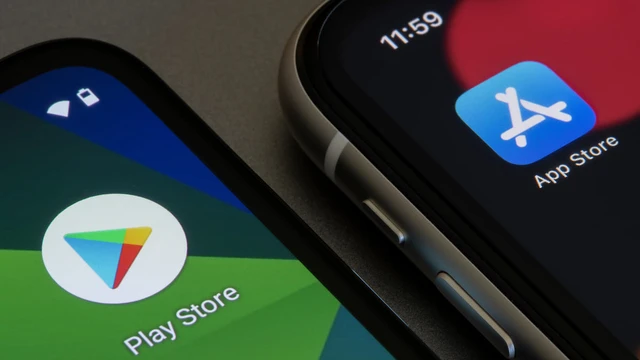
The UK Competition and Markets Authority (CMA) has launched a sweeping overhaul of the rules governing mobile applications. At the heart of this initiative is a concerted effort to dismantle the long-standing monopolies of the App Store and Google Play, which have functioned as the sole legitimate intermediaries for digital content payments. By proposing that developers be allowed to steer users toward alternative payment methods outside official storefronts, the regulator is effectively attempting to tear down the walls of mandatory proprietary billing systems.
The economic impetus behind this move is the reduction of transaction costs. Traditional platform commissions—often ranging from 15% to 30%—impose a heavy burden on both businesses and end-users. The CMA insists that any fees associated with steering users must be equitable and, crucially, significantly lower than current industry rates. The expectation is that these reclaimed funds will either translate into lower consumer prices or be reinvested into product innovation.
However, the battle extends beyond software to the hardware layer. The regulator is exploring mandates that would force Apple to open access to its NFC technology. For years, this interface has remained a closed fortress, allowing Apple Wallet to dominate contactless payments on iOS. Opening this gateway would provide UK fintech firms with critical room for maneuver, enabling them to deploy proprietary payment solutions, facilitate direct account-to-account transfers, and integrate cutting-edge financial instruments, including Central Bank Digital Currencies (CBDCs).
The legal bedrock for these demands is the UK's new digital markets legislation. Under this framework, Apple and Google have been designated as entities with Strategic Market Status (SMS). This designation grants the state unprecedented powers to intervene directly in corporate operations to stimulate competition, transforming the regulator from a passive observer into an active architect of the market.
The response from the tech giants has been polarized. Google has adopted a more flexible stance, signaling gradual updates to Play Store terms and partially permitting external payments. Apple, conversely, remains steadfast, citing security concerns. The company argues that venturing outside the controlled App Store ecosystem exposes users to fraud and strips the corporation of its ability to effectively vet transactions.
Nevertheless, the shift toward open systems has become a global phenomenon. Following the stringent measures imposed by the European Union under the Digital Markets Act (DMA), the UK case confirms that the era of absolute control over mobile ecosystems is drawing to a close, giving way to a more transparent and competitive digital economy.
 The Price of Acceleration: CXMT’s Rapid Push into Memory