The boundary between public safety and the right to privacy is increasingly blurring as cutting-edge signals intelligence (SIGINT) tools are integrated into law enforcement operations. In the United States, the deployment of mobile traffic interception systems marks a definitive shift toward an era of proactive digital surveillance. Recent investments by Texas law enforcement in sophisticated monitoring arrays are transforming standard patrol vehicles into potent surveillance nodes—a move that jeopardizes fundamental principles of privacy and ignites intense legal debate.
The scale of government expenditure on digital surveillance tools often reveals a staggering disparity between the cost and the unassuming appearance of the hardware acquired. For instance, the Texas Department of Public Safety invested nearly $4.5 million in just four Chevrolet Tahoes. However, the true value lies not in the vehicles themselves, but in the integrated technology stack provided by the Israeli firm Cognyte.
At the heart of this system is FalcoNet—a specialized cellular interception complex. In essence, it functions as a high-tech IMSI-catcher (International Mobile Subscriber Identity catcher), tricking mobile devices within its range into believing they are connected to a legitimate carrier tower. Consequently, the system identifies all active devices in the vicinity and harvests data, effectively hijacking the connection between the handset and the actual network.
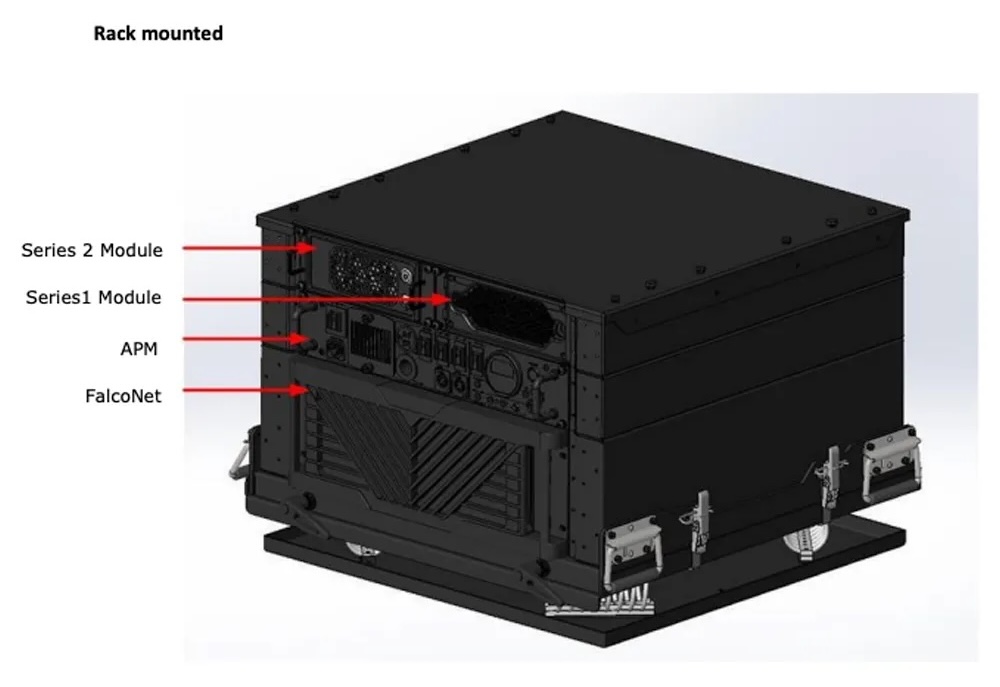
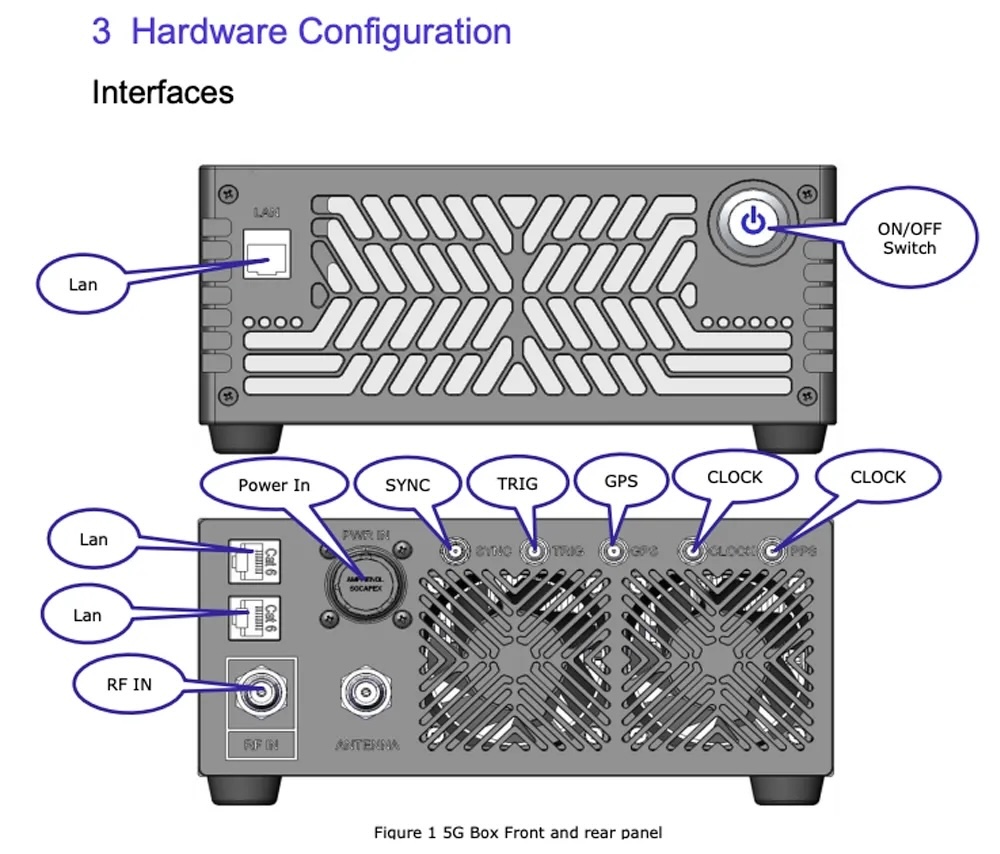
Technically, FalcoNet leverages Software-Defined Radio (SDR) principles, allowing the system to operate flexibly across 2G, 3G, 4G, and even 5G bands. The hardware consists of 2U form-factor modules designed for standard 19-inch racks, ensuring high component density with each module weighing approximately 8 kg. System interfaces include RJ45 LAN ports and specialized Amphenol power connectors, alongside SMA panels for GPS synchronization—a critical requirement for precise target geolocation.
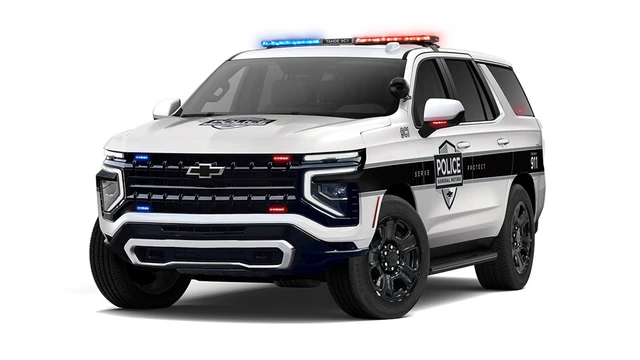
The system's power demands are significant: while it consumes roughly 35W in standby mode, power draw spikes to 260W under full load. To ensure uninterrupted operation, modified Chevrolet Tahoe Police Pursuit Vehicles (PPVs) are utilized. Equipped with V8 engines and upgraded 250A alternators, these vehicles are essentially transformed into mobile power stations capable of sustaining the electronic warfare equipment.
Particular emphasis is placed on stealth deployment. Despite their sophisticated internals, the Tahoes maintain the appearance of standard patrol cars. Ingenious engineering solutions are used to camouflage the antennas, ranging from false roofs and simulated roof boxes to miniature, washer-shaped antennas that remain virtually invisible to the casual observer. Furthermore, the system offers high mobility; portions of the hardware can be packed into Pelican protective cases and carried as a backpack, enabling surveillance operations even outside of vehicles.
Yet, the system's technical sophistication exists in direct conflict with legal frameworks. In the United States, the deployment of such tools sparks intense debate over police legality. According to Supreme Court precedent, citizens maintain a "reasonable expectation of privacy" regarding their location data. Under the Fourth Amendment to the U.S. Constitution, even brief tracking via an IMSI-catcher may be classified as an unlawful search, calling into question the legitimacy of using such systems without a proper judicial warrant.
 Tecno Bezelless: The Pinnacle of Screen Minimalism