The global race for universal connectivity is pivoting away from a fixation on raw power toward a focus on ergonomics and energy efficiency. SpaceX continues to refine its hardware, striking a strategic balance between technical prowess and the end-user experience. The introduction of the V5 antenna signals a shift toward more seamless residential integration, ensuring that physical footprints no longer pose a barrier to deployment. This evolution mirrors a broader trend across the telecommunications landscape: hardware optimization is now taking precedence over theoretical peak performance.
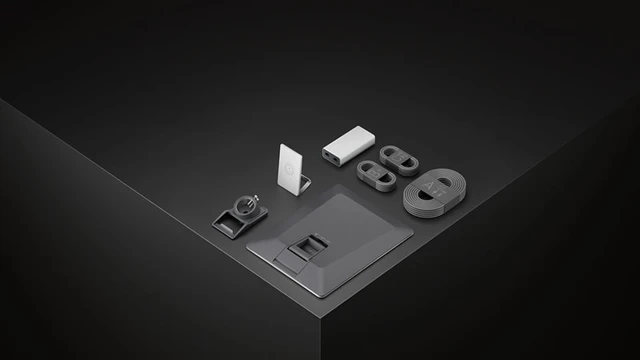
The latest generation of satellite hardware from SpaceX, embodied in the Starlink V5 antenna, reflects a deliberate and sophisticated approach to industrial design. The primary focus has been on drastically reducing both weight and form factor compared to its predecessor, the V4. Beyond the physical downsizing, engineers have achieved a marked increase in energy efficiency—a critical requirement for systems operating in a 24/7 duty cycle.
A key pillar of SpaceX's new strategy is the clear segmentation of user scenarios. The V5 model is positioned exclusively as a stationary residential solution. Attempting to utilize it as a mobile terminal would be counterproductive, as the company is developing a dedicated line for dynamic environments: the Starlink Mini. This bifurcation allows for the optimization of antenna arrays tailored to specific needs—one ensuring signal stability for the home office, the other prioritizing compactness and autonomy for travel.
There is an intriguing technical paradox in this iteration: despite its modern architecture, the maximum rated download speed of the V5 is slightly lower than that of the V4. In real-world deployment, however, this gap is virtually negligible. Satellite connectivity is inherently subject to a multitude of variables—ranging from orbital constellation density and current network load to the specific service plan and time of day. Consequently, SpaceX is moving away from rigid performance guarantees, focusing instead on quality of service for high-demand tasks such as video streaming, conferencing, and remote work.
The package now includes an optimized mini-router, completing the home connectivity ecosystem. As production scales and logistics chains are refined, the V5 antenna will gradually phase out previous generations in new markets, offering users a more aesthetic and energy-efficient gateway to global connectivity.
 Stratospheric Platforms for Global Coverage