The global semiconductor shortage has evolved beyond a mere technical hurdle, morphing into a potent instrument of geopolitical leverage. Surging demand from data centers has forced tech titans into a precarious balancing act, pitting supply chain stability against political allegiance. Apple finds itself at the epicenter of this clash, struggling to reconcile market imperatives with the mandates of the White House. This friction exposes the profound fragility of modern supply chains in an era defined by aggressive protectionism.
The modern memory market is grappling with a crisis that transcends typical market volatility. A colossal surge in demand, fueled by the rapid expansion of data centers, has triggered a global chip shortage and a sharp spike in pricing. For titans like Apple, this has evolved into a significant strategic challenge: to mitigate the impact of component shortages and curb the escalating cost of end-user devices, the company has been forced to explore procurement options from Chinese manufacturers.
However, this pragmatic pivot has drawn sharp condemnation from the U.S. administration. The Department of Commerce has openly opposed any attempts by Apple to integrate Chinese silicon into its product ecosystem. The government's stance is unequivocal: American corporations must seek alternative solutions to the shortage without relying on China's tech sector. This clash of interests underscores the growing tension between national security imperatives and economic viability.
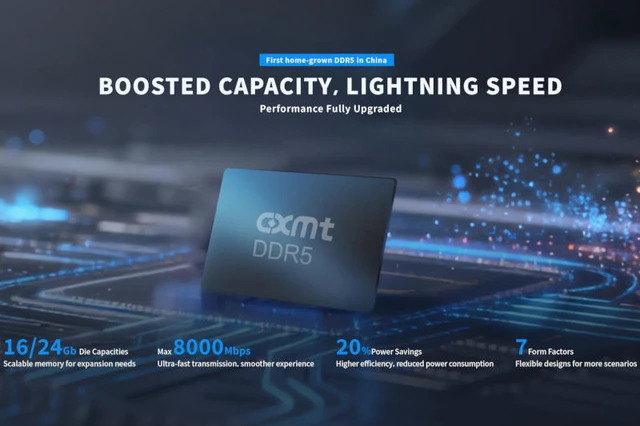
In practice, Apple has already begun testing components from Chinese firms CXMT and YMTC. These chips are most likely earmarked for devices destined specifically for the Chinese market. This is not an isolated incident; HP and Acer have already begun integrating CXMT memory into hardware sold outside the U.S. Legally, the situation remains a gray area. While U.S. law requires specific licenses for data transfer during custom chip development, purchasing off-the-shelf products on the open market often bypasses such regulatory hurdles.
Internally, Apple acknowledges the precariousness of the situation. Leadership notes that under conditions of acute scarcity, every available option must be considered. The particular challenge with memory is that, unlike many other iPhone components which can be relatively easily modified or swapped, memory architecture is notoriously rigid. This makes the adoption of Chinese components almost inevitable if domestic markets cannot meet the required volume.
Simultaneously, corporate lobbying has entered the fray. Micron, seeking to protect its investments and domestic production, is actively urging the White House to block Apple's access to Chinese chips. From Micron's perspective, any concession on this front undermines the broader strategy of reshoring high-tech manufacturing to U.S. soil.
Nevertheless, political will is colliding with the harsh realities of the industry. Building new semiconductor fabrication plants is a multi-year endeavor; no amount of administrative pressure can accelerate the process instantaneously. Despite rhetoric regarding unity and promises of multi-billion dollar investments in U.S. chip production and new assembly lines in Texas, Apple remains deeply tethered to Asian infrastructure. Diversification efforts, including shifting some assembly to India, are critical steps, but they cannot overnight replace a supply ecosystem built over decades.
Consequently, the Apple memory saga serves as a microcosm of the global "reshoring" phenomenon, where economic efficiency clashes head-on with the ideology of technological sovereignty.
 The Price of Acceleration: CXMT’s Rapid Push into Memory