The global race for ubiquitous connectivity is pivoting away from raw speed, shifting its focus toward energy efficiency and ergonomic design. SpaceX continues to methodically refine its hardware ecosystem, striking a delicate balance between engineering excellence and aggressive monetization strategies. The debut of the V5 terminal signals a strategic shift toward more compact, streamlined solutions tailored for the residential market. This evolution mirrors a broader trend in satellite communications: a transition where connection stability is now prioritized over theoretical peak performance.
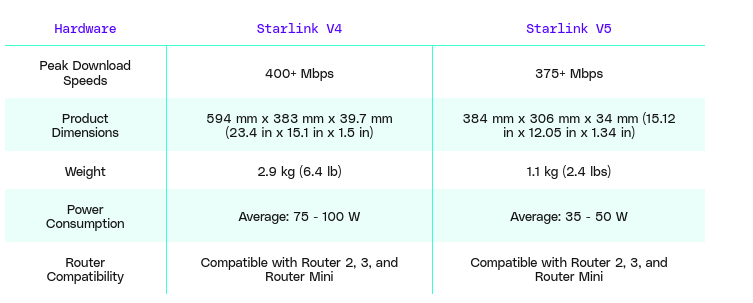
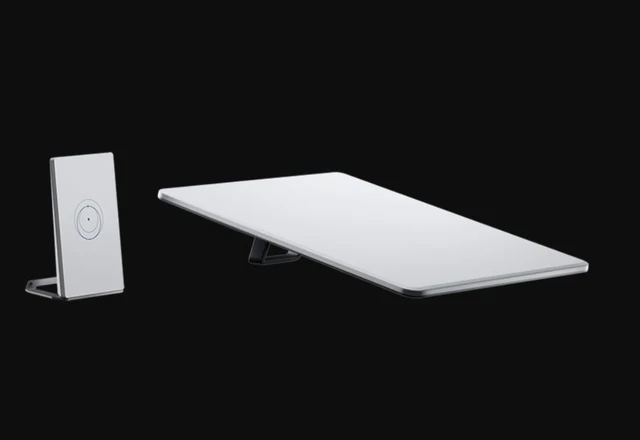
The debut of the fifth generation of Starlink user terminals signals SpaceX's commitment to optimizing the physical footprint of its hardware. The new V5 iteration features a marked reduction in both weight and dimensions compared to its predecessor, streamlining installation and operational deployment. However, the most critical advancement lies in energy efficiency: optimized power management ensures greater stability while reducing the thermal load on the antenna's internal components.
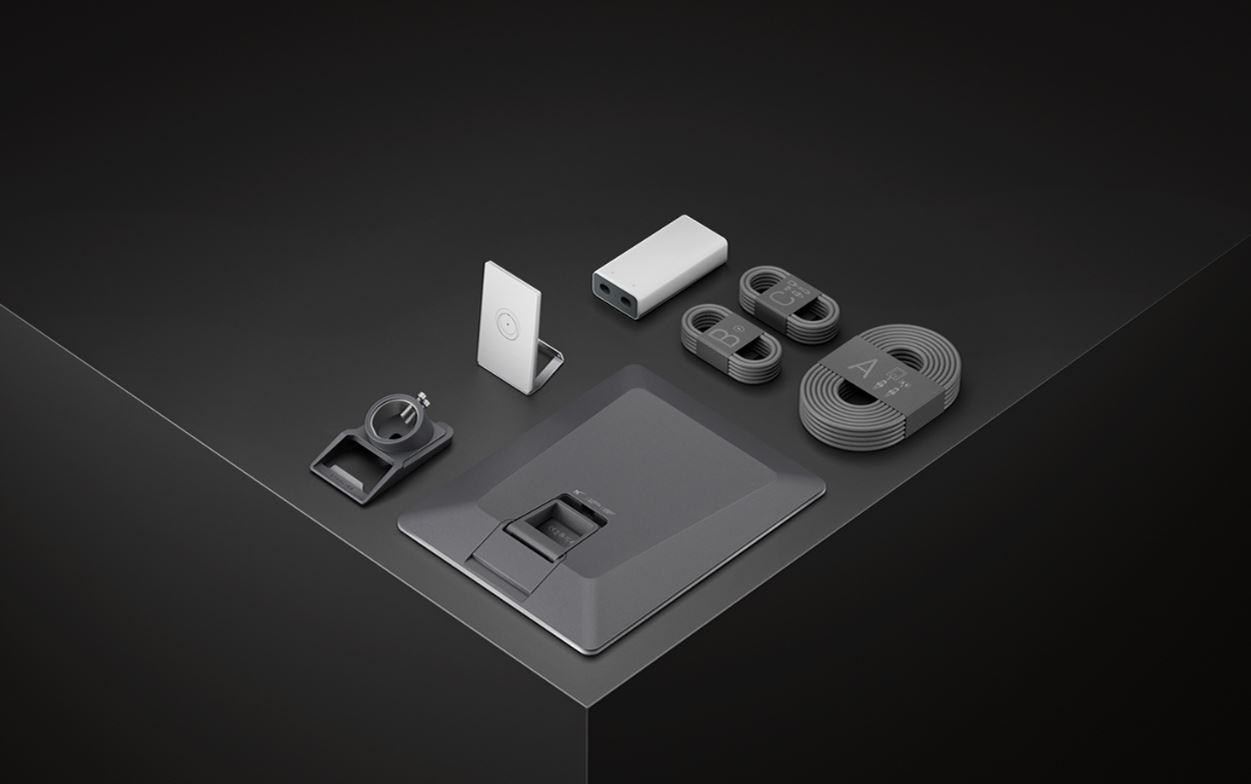
Strategic product positioning is key here: the V5 is engineered exclusively for stationary residential use. Unlike mobile solutions, this terminal is not designed for portability, underscoring a clear segmentation within SpaceX's product lineup. For users requiring mobility, the company is preparing a dedicated solution—the Starlink Mini—which will cater specifically to the mobile internet segment.
Technical analysis reveals an intriguing trade-off: the maximum rated download speed for the V5 is slightly lower than that of version V4. In the satellite communications industry, such dynamics often reflect a prioritization of signal stability over short-term speed bursts. SpaceX emphasizes that the actual user experience will depend less on raw hardware capabilities and more on external variables: the selected service plan, current network segment load, and time of day. Nevertheless, the terminal's hardware potential, complemented by the included compact router, remains more than sufficient for resource-intensive tasks—ranging from high-definition streaming to full-scale remote professional work.
Alongside these technical updates, SpaceX is radically pivoting its economic model for customer engagement. The introduction of a $10 monthly rental fee for standard kits for new subscribers transforms the hardware from a user asset into a service offering. This "Hardware-as-a-Service" (HaaS) strategy means that even after long-term payments, the customer does not gain ownership of the antenna and must return it upon termination of the contract.
This paradigm shift is occurring against a backdrop of mounting pressure on network infrastructure. In high-density regions, particularly within certain parts of the US, there is a noticeable shortage of available connection slots. This has led to the emergence of one-time access premiums, which in some instances have reached $1,500. Such measures indicate that despite the massive deployment of the low-Earth orbit (LEO) constellation, the throughput of local segments remains a critical bottleneck for the system.
 The iPhone Roadmap: Strategic Outlook through 2028