High-precision semiconductor manufacturing stands as one of the most precarious ecosystems in modern industry. A powerful earthquake on Kyushu Island has once again laid bare the critical vulnerability of tech giants when faced with natural disasters. All eyes are now on Sony’s manufacturing facility in Kumamoto, where even a temporary shutdown could trigger a ripple effect across global supply chains. The company's ability to swiftly resume operations will serve as a vital litmus test for the resilience of Japan's entire technology sector.
Recent seismic activity on the island of Kyushu, where tremors exceeded magnitude 7 on the Richter scale, has caused significant infrastructure damage and jeopardized one of the electronic industry's critical hubs. Sony, a global leader in image sensor development, has announced plans to resume production at its Kumamoto facility as early as next Tuesday. Despite this rapid response, a full return to nominal production volumes is not expected until mid-August.
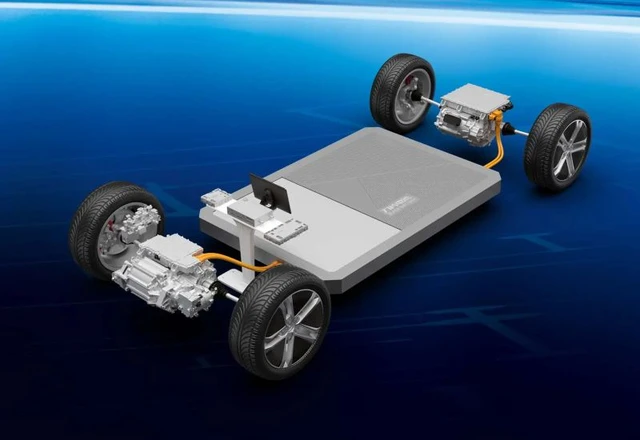
It is crucial to understand the specific role of the affected site: this facility does not supply the consumer smartphone market. Instead, its specialization lies in narrower but strategically vital segments—sensors for surveillance systems, professional digital cameras, and automotive electronics. Consequently, any disruption here directly impacts the development trajectory of autonomous vehicles and safety systems, where sensor precision is a mission-critical factor.
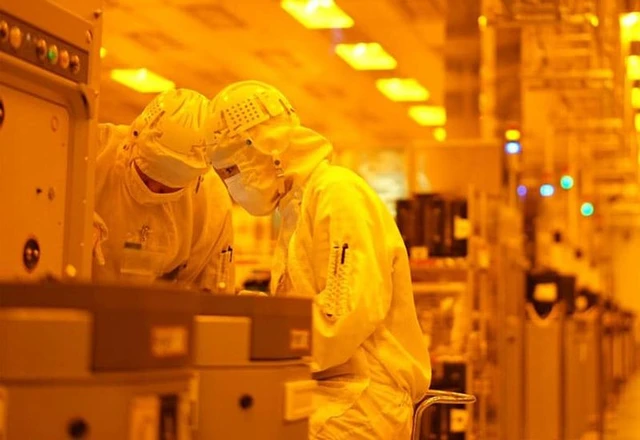
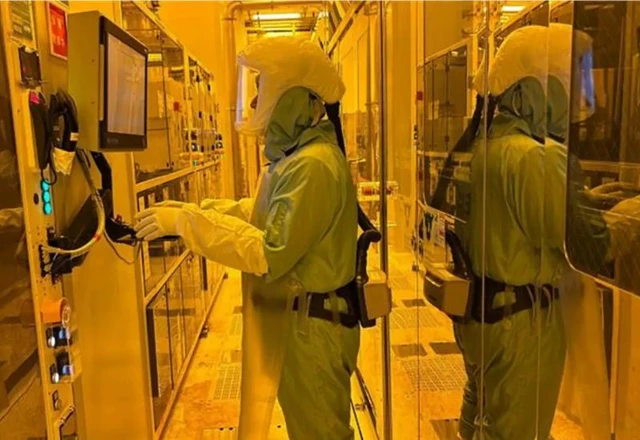
The challenge of restoring high-tech production extends beyond repairing physical structural damage. In the semiconductor industry, even minor tremors can trigger catastrophic failures in precision equipment. Lithography units and calibration systems are hypersensitive to the slightest deviations; therefore, the primary recovery phase involves a rigorous process of recalibration and verification across all operational stages.
The situation is further complicated by the fact that Kumamoto Prefecture has evolved into a genuine technological hub. In close proximity to Sony's facilities are plants operated by JASM (a TSMC joint venture), as well as production lines from Tokyo Electron and Mitsubishi Electric. While these companies are currently conducting comprehensive damage assessments, their timelines for returning to full operational capacity remain uncertain.
Historical context suggests a degree of skepticism regarding current optimistic forecasts. Over a decade ago, a similar natural disaster paralyzed Sony's Kyushu operations for a significantly longer period: the initial restart took three months, and reaching previous capacity levels required an additional two months.
Nevertheless, the current outlook appears more stable. Other Sony production sites on Kyushu remained unaffected, allowing the company to partially mitigate risks and redistribute workloads. Still, this incident underscores the urgent need for geographic diversification of critical manufacturing assets in regions prone to high seismic activity.
 Scaling Next-Generation Chip Production