The gaming display industry has entered a high-stakes race for ultimate visual fluidity. The long-standing trade-off between the deep blacks of OLED and high refresh rates is finally becoming a thing of the past. Samsung Display is charting a new course, unveiling a panel that blurs the line between professional esports performance and a premium visual experience. This technological leap heralds the dawn of the era of ultra-fast organic displays in the mobile sector.
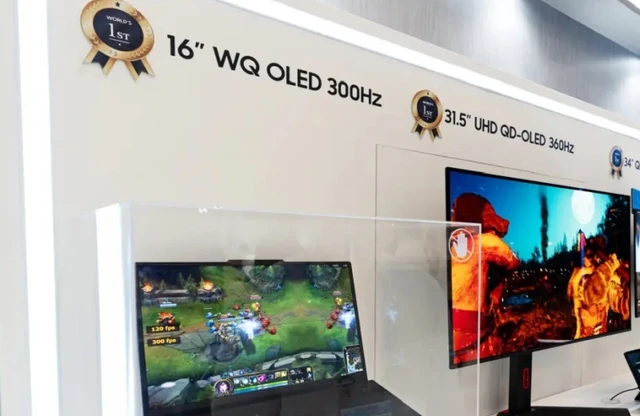
The IMID 2026 exhibition in Busan has made one thing clear: the mobile display industry is entering a new evolutionary epoch. Samsung Display unveiled a 16-inch 2.5K OLED panel, headlined by a staggering 300Hz refresh rate. For the gaming sector, this represents a quantum leap; while previous iterations showcased at Computex 2026 were capped between 165 and 240Hz, this new standard elevates interface responsiveness and gameplay dynamics to a level that closely mimics the physical perception of motion.
The technical specifications of the new panel remain shrouded in mystery. The manufacturer has deliberately omitted data regarding peak brightness, response times, and specific HDR certifications. However, the mere achievement of 300Hz on an organic LED suggests significant optimization of controllers and matrix materials, as high refresh rates in OLEDs traditionally carry the risk of accelerated pixel degradation and increased power consumption.
Parallel to this, Samsung is aggressively deploying tandem OLED architecture. By utilizing two layers of emissive materials, this design allows for a radical increase in brightness (up to 1,600 nits) and significantly extends the screen's lifespan—a critical factor for laptop integration. With VESA DisplayHDR True Black support, these displays set the benchmark for color accuracy and deep blacks. This technology is already being integrated into products from industry giants such as Lenovo, ASUS, Dell, and MSI.
The lingering question is whether Samsung will merge this 300Hz refresh rate with the tandem structure in a single panel. The synergy of these two technologies would yield a nearly flawless gaming display: ultra-fast, incredibly bright, and resilient to burn-in. While the company remains tight-lipped regarding mass production schedules and the specific laptop models slated for the debut, the market is holding its breath for official announcements.
Beyond the mobile segment, Samsung continues its expansion into stationary monitors. The IMID showcase featured flagship QD-OLED solutions: a 31.5-inch 4K panel and a 34-inch 21:9 model, both boasting a 360Hz refresh rate. While the ultrawide model entered mass production in December 2025, the full-scale 4K monitor with extreme refresh speeds is expected to hit the market in the second half of 2026.
Such a strategy underscores the company's ambition to achieve total dominance in the premium visual solutions segment, providing the market with tools that were previously considered technically unattainable for organic LEDs.
 The Price of Acceleration: CXMT’s Rapid Push into Memory